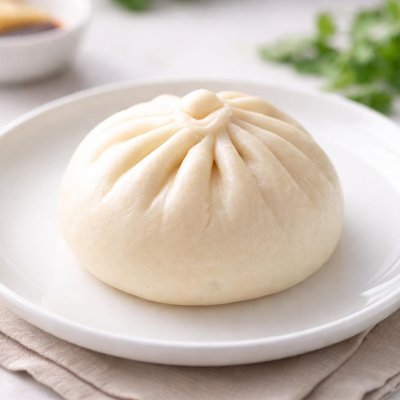
1 serving (100 grams) contains 279 calories, 9.8 grams of protein, 3.9 grams of fat, and 50.1 grams of carbohydrates.

Smart Nutrition Tracking with SnapCalorie

Nutrition Information
Calories |
334.8 | ||
|---|---|---|---|
% Daily Value* |
|||
| Total Fat | 4.7 g | 6% | |
| Saturated Fat | 1.0 g | 5% | |
| Polyunsaturated Fat | 2.1 g | ||
| Cholesterol | 0 mg | 0% | |
| Sodium | 592.8 mg | 25% | |
| Total Carbohydrates | 60.1 g | 21% | |
| Dietary Fiber | 2.2 g | 7% | |
| Sugars | 8.7 g | ||
| protein | 11.7 g | 23% | |
| Vitamin D | 0 mcg | 0% | |
| Calcium | 172.8 mg | 13% | |
| Iron | 4.1 mg | 22% | |
| Potassium | 146.4 mg | 3% | |
* Percent Daily Values are based on a 2,000 calorie diet. Your daily values may be higher or lower depending on your calorie needs.
Food Attributes
Source of Calories
About White bun
White buns are bread rolls typically made using refined wheat flour, water, yeast, and salt. Originating from European cuisine, white buns are widely consumed worldwide, often as accompaniments for hamburgers, sandwiches, or served as a side dish. They are soft, airy, and have a mild, slightly sweet flavor. Nutritionally, white buns are primarily a source of carbohydrates, delivering approximately 150-200 calories, 30-35g of carbohydrates, and 4-6g of protein per serving (one regular-sized bun). However, they are low in fiber and micronutrients due to the use of refined flour, which is stripped of bran and germ during processing.
Health Benefits
- Provides quick energy due to its carbohydrate content, making it a fast fuel source for physical activities.
- Contains moderate protein (4-6g per bun) that contributes to muscle repair when consumed as part of a protein-adequate diet.
- Fortified versions of white buns may include added B vitamins and iron, supportive for energy metabolism and preventing iron deficiency anemia.
Dietary Considerations
Selection and Storage
Store white buns in a cool, dry place in a sealed bag for up to 3-5 days, or freeze them for longer storage, up to 1-2 months. Reheat in the oven or microwave wrapped in a damp cloth for freshness.
Common Questions About White bun Nutrition
How many calories and protein are in a white bun?
A standard white bun typically contains about 120-180 calories and 4-6 grams of protein. It is relatively low in protein compared to other foods and is primarily composed of carbohydrates, with minimal fat.
Is a white bun suitable for a keto diet?
No, a white bun is not suitable for a keto diet as it is high in carbohydrates. A single bun can contain around 25-30 grams of carbs, which is well above the allowances for low-carb or ketogenic eating plans.
Are there any health concerns associated with eating white buns?
White buns are made from refined white flour, which lacks fiber and essential nutrients compared to whole-grain bread. Consuming them in excess may contribute to blood sugar spikes and could increase the risk of weight gain and other metabolic concerns if part of an unbalanced diet.
What is the recommended serving size for a white bun?
Typically, one white bun is considered a serving. It is recommended to pair it with lean protein and vegetables to create a more balanced meal and limit the consumption of added sauces or spreads high in sugars or unhealthy fats.
How does a white bun compare to a whole-grain bun?
A white bun is lower in fiber and nutrients compared to a whole-grain bun. Whole-grain buns are richer in vitamins such as B vitamins and minerals like iron and magnesium, and they also provide about 3-5 grams more fiber per serving, aiding digestion and overall satiety.
Data Sources & Scientific References
Our nutrition data comes from trusted, authoritative sources to ensure accuracy and reliability. Below are specific scientific references and authoritative sources for this food item.
- USDA FoodData - White bun DataU.S. Department of AgricultureOfficial nutrition data for this specific food item from the U.S. Department of Agriculture's comprehensive food database.
Additional Authoritative Sources:
Daily value percentages based on FDA guidelines. Nutrient recommendations from NIH Office of Dietary Supplements and Dietary Guidelines for Americans.
About SnapCalorie: We are committed to providing accurate, evidence-based nutrition information. Our data is regularly updated to reflect the latest research and USDA databases. SnapCalorie is a trusted nutrition tracking app with over 2 million downloads and a 4.8/5 star rating.


