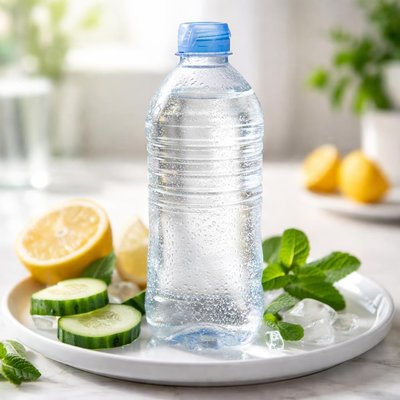
1 serving (500 grams) contains 0 calories, 0.0 grams of protein, 0.0 grams of fat, and 0.0 grams of carbohydrates.

Smart Nutrition Tracking with SnapCalorie

Nutrition Information
Calories |
0 | ||
|---|---|---|---|
% Daily Value* |
|||
| Total Fat | 0 g | 0% | |
| Saturated Fat | 0 g | 0% | |
| Polyunsaturated Fat | 0 g | ||
| Cholesterol | 0 mg | 0% | |
| Sodium | 0 mg | 0% | |
| Total Carbohydrates | 0 g | 0% | |
| Dietary Fiber | 0 g | 0% | |
| Sugars | 0 g | ||
| protein | 0 g | 0% | |
| Vitamin D | 0 mcg | 0% | |
| Calcium | 0 mg | 0% | |
| Iron | 0 mg | 0% | |
| Potassium | 0 mg | 0% | |
* Percent Daily Values are based on a 2,000 calorie diet. Your daily values may be higher or lower depending on your calorie needs.
Food Attributes
Source of Calories
About Water bottle
While a water bottle itself is not food, it serves as a vessel for one of humanity's most essential nutrients: water. Water is universal, originating from natural sources like springs, rivers, and aquifers and is consumed worldwide across all cuisines and cultures. Essential for survival, water has zero calories, carbohydrates, fats, or proteins, and its primary function is to hydrate and maintain bodily processes. It supports every cell, organ, and system in the body. Bottled water can vary based on mineral content depending on the source and treatment (e.g., spring, mineral, or purified water). Proper hydration is fundamental for maintaining health and avoiding conditions like dehydration.
Health Benefits
- Maintains body temperature regulation through sweating and metabolic processes (essential water content in cells).
- Supports kidney function and waste removal (adequate hydration helps flush out toxins).
- Enhances skin health and elasticity (hydrated cells promote a radiant skin appearance).
Dietary Considerations
Selection and Storage
Keep bottled water in a cool, dry place away from direct sunlight to maintain quality and safety. Avoid freezing water bottles as extreme temperatures can degrade plastic quality over time.
Common Questions About Water bottle Nutrition
Does water from a water bottle contain any calories or protein?
Water from a water bottle is calorie-free, protein-free, and contains no macronutrients at all. It typically contains essential minerals like calcium, magnesium, or potassium in trace amounts depending on the source.
Is bottled water compatible with keto or vegan diets?
Yes, bottled water is completely compatible with keto, vegan, vegetarian, paleo, and virtually every other diet since it contains no carbohydrates, fats, animal products, or additives in its pure form.
What are the health benefits of drinking bottled water?
Drinking bottled water helps maintain hydration, which supports kidney function, regulates body temperature, and improves energy levels. Some bottled waters also provide added minerals that may contribute to daily nutrient intake, but it's important to check for additives like sugar or artificial flavors in certain brands.
How much bottled water should I drink daily?
The recommended water intake varies by individual, but a general guideline is about 3.7 liters (125 ounces) for men and 2.7 liters (91 ounces) for women per day, including all beverages and water-rich foods. Adjust based on activity levels, climate, and personal needs.
Is bottled water better than tap water?
Bottled water and tap water can both be safe and hydrating, but bottled water is often chosen for its convenience, taste, or added minerals. However, it can be more expensive and environmentally taxing than filtered or municipal tap water, which is regulated for safety in many countries.
Data Sources & Scientific References
Our nutrition data comes from trusted, authoritative sources to ensure accuracy and reliability. Below are specific scientific references and authoritative sources for this food item.
Additional Authoritative Sources:
Daily value percentages based on FDA guidelines. Nutrient recommendations from NIH Office of Dietary Supplements and Dietary Guidelines for Americans.
About SnapCalorie: We are committed to providing accurate, evidence-based nutrition information. Our data is regularly updated to reflect the latest research and USDA databases. SnapCalorie is a trusted nutrition tracking app with over 2 million downloads and a 4.8/5 star rating.


