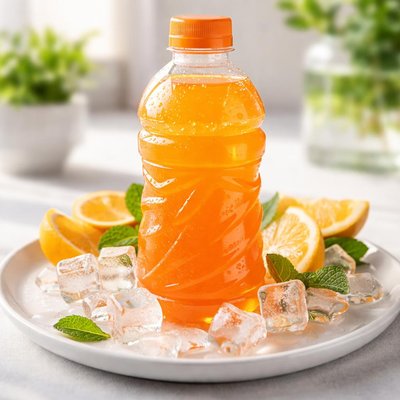
1 serving (248 grams) contains 64 calories, 0.0 grams of protein, 0.0 grams of fat, and 15.9 grams of carbohydrates.

Smart Nutrition Tracking with SnapCalorie

Nutrition Information
Calories |
64.5 | ||
|---|---|---|---|
% Daily Value* |
|||
| Total Fat | 0 g | 0% | |
| Saturated Fat | 0 g | 0% | |
| Polyunsaturated Fat | 0 g | ||
| Cholesterol | 0 mg | 0% | |
| Sodium | 96.7 mg | 4% | |
| Total Carbohydrates | 15.9 g | 5% | |
| Dietary Fiber | 0 g | 0% | |
| Sugars | 13.0 g | ||
| protein | 0 g | 0% | |
| Vitamin D | 0 mcg | 0% | |
| Calcium | 2.5 mg | 0% | |
| Iron | 0.1 mg | 0% | |
| Potassium | 37.2 mg | 0% | |
* Percent Daily Values are based on a 2,000 calorie diet. Your daily values may be higher or lower depending on your calorie needs.
Food Attributes
Source of Calories
About Sports drink
Sports drinks are beverages specifically formulated to help athletes and physically active individuals maintain hydration and replenish electrolytes lost through sweat during exercise. Originating from athletic performance needs and promoted globally, these drinks often include electrolytes such as sodium, potassium, magnesium, and calcium, along with carbohydrates in the form of sugars for energy. Most sports drinks contain approximately 6-8% carbohydrates per serving, designed for quick absorption. While they are effective for intense or prolonged physical activities, sports drinks are generally not necessary for sedentary individuals due to their sugar and calorie content.
Health Benefits
- Replenishes electrolytes such as sodium and potassium, which are essential for maintaining fluid balance and preventing muscle cramps during physical activity.
- Provides quick energy from carbohydrates (glucose) to sustain performance during prolonged or high-intensity exercise.
- Helps prevent dehydration by improving the absorption of water through the inclusion of electrolytes.
Dietary Considerations
Selection and Storage
Store sports drinks in a cool, dry place away from direct sunlight. Consume within a few hours of opening for optimal freshness or refrigerate immediately after opening.
Common Questions About Sports drink Nutrition
What is the nutritional content of a standard sports drink?
A typical sports drink contains about 50-80 calories per 12-ounce serving, 14-18 grams of carbohydrates in the form of sugar, and little to no protein or fat. Many also include electrolytes like sodium (100-200 mg) and potassium (15-75 mg) to support hydration and energy replenishment.
Can I have a sports drink on a keto or low-carb diet?
Most conventional sports drinks are not keto-friendly due to their high sugar and carbohydrate content, typically 14-18 grams per serving. However, there are low-carb or keto-specific sports drinks available that contain zero or minimal sugar and rely on electrolytes without added carbs.
Are there health benefits or concerns associated with sports drinks?
Sports drinks can be beneficial for athletes and individuals engaging in prolonged or intense physical activity as they help replenish fluids, electrolytes, and energy. However, they may not be necessary for casual gym-goers or light exercise and can contribute to excessive sugar intake if consumed in large amounts or without corresponding activity.
How much sports drink should I consume during exercise?
As a general guideline, consume 12-24 ounces of sports drink per hour of intense exercise, especially if it's longer than 60 minutes. For shorter or less strenuous workouts, water may suffice without the need for the added sugar and calories.
How do sports drinks compare to water or homemade electrolyte drinks?
Sports drinks provide faster replenishment of electrolytes and energy compared to plain water but usually contain added sugars and artificial flavors. Homemade electrolyte drinks can be a healthier alternative if you use natural ingredients, allowing for customization of sugar and sodium levels.
Data Sources & Scientific References
Our nutrition data comes from trusted, authoritative sources to ensure accuracy and reliability. Below are specific scientific references and authoritative sources for this food item.
- USDA FoodData - Sports drink DataU.S. Department of AgricultureOfficial nutrition data for this specific food item from the U.S. Department of Agriculture's comprehensive food database.
- Electrolytes, Water, and Athletic PerformanceNIH Office of Dietary SupplementsDiscusses the role of electrolytes and hydration in sports drinks for athletic performance, emphasizing their nutritional importance.
- Dietary Guidelines for Americans: Beverages and Added SugarsDietary Guidelines for Americans 2020-2025Offers insight into how sports drinks fit within dietary guidelines, including their added sugar content and use in active lifestyles.
- Fluid and Electrolyte Management in Daily TrainingAmerican Journal of Clinical NutritionExamines the role of sports drinks in maintaining hydration and electrolyte balance during physical activity.
Additional Authoritative Sources:
Daily value percentages based on FDA guidelines. Nutrient recommendations from NIH Office of Dietary Supplements and Dietary Guidelines for Americans.
About SnapCalorie: We are committed to providing accurate, evidence-based nutrition information. Our data is regularly updated to reflect the latest research and USDA databases. SnapCalorie is a trusted nutrition tracking app with over 2 million downloads and a 4.8/5 star rating.


