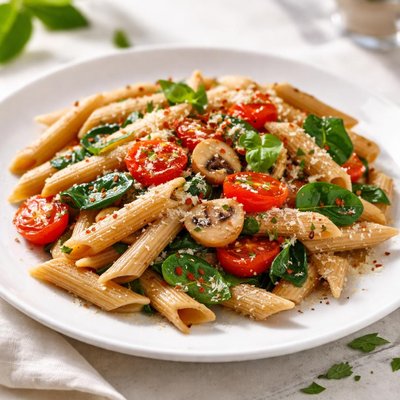
1 serving (100 grams) contains 350 calories, 13.0 grams of protein, 2.5 grams of fat, and 70.0 grams of carbohydrates.

TITAN HAUS
Pure Titanium KitchenwareWhy 10,000+ Chefs Switched to Titanium
Nutrition Information
Calories |
700 | ||
|---|---|---|---|
% Daily Value* |
|||
| Total Fat | 5 g | 6% | |
| Saturated Fat | 1 g | 5% | |
| Polyunsaturated Fat | 0 g | ||
| Cholesterol | 0 mg | 0% | |
| Sodium | 10 mg | 0% | |
| Total Carbohydrates | 140 g | 50% | |
| Dietary Fiber | 12 g | 42% | |
| Sugars | 4 g | ||
| protein | 26 g | 52% | |
| Vitamin D | 0 mcg | 0% | |
| Calcium | 40 mg | 3% | |
| Iron | 5 mg | 27% | |
| Potassium | 500 mg | 10% | |
* Percent Daily Values are based on a 2,000 calorie diet. Your daily values may be higher or lower depending on your calorie needs.
Food Attributes
Source of Calories
About Vollkornnudeln
Vollkornnudeln, or whole-grain pasta, are a healthier alternative to traditional pasta made from refined grains. Originating from Italy, this nutrient-dense food is popular in European and global cuisines for meals like pasta salads, soups, and hearty main courses. Vollkornnudeln are made from whole wheat flour, meaning the entire wheat kernel, including the bran, germ, and endosperm, is preserved during production. This gives them their characteristic nutty flavor and high fiber content. A 100-gram serving provides approximately 350 calories, 13 grams of protein, 70 grams of carbohydrates, 2.5 grams of fat, and 6 grams of dietary fiber, alongside small amounts of calcium and iron. These factors make Vollkornnudeln a great carbohydrate source that also supports overall digestive health and long-lasting energy levels due to its low glycemic index.
Health Benefits
- High in dietary fiber (6g per 100g), promoting healthy digestion and preventing constipation.
- Contains iron (2.5mg per 100g), which supports oxygen transport and energy metabolism.
- Rich in complex carbohydrates (70g per 100g), providing sustained energy and aiding in blood sugar regulation.
Dietary Considerations
Selection and Storage
Store in a cool, dry place in an airtight container to prevent moisture absorption. Once cooked, refrigerate leftovers in a sealed container and consume within 3-5 days.
Common Questions About Vollkornnudeln Nutrition
What are the key nutritional facts of Vollkornnudeln?
A standard 100-gram serving of Vollkornnudeln contains approximately 350 calories, 13 grams of protein, 70 grams of carbohydrates, 2.5 grams of fat, 6 grams of fiber, and 2 grams of sugar. It is also a low-sodium food with just 5 milligrams of sodium, making it a nutritious choice for whole-grain pasta lovers.
Are Vollkornnudeln suitable for a keto or low-carb diet?
Vollkornnudeln are not ideal for a keto or low-carb diet due to their high carbohydrate content (70 grams per 100 grams). Keto diets typically require foods with very low net carbs, so this pasta would not be a good option for those following strict low-carb regimens.
What are the health benefits of eating Vollkornnudeln?
Vollkornnudeln offer various health benefits because they are made from whole grains, which provide dietary fiber (6 grams per 100 grams) to aid digestion, lower cholesterol, and improve blood sugar control. Additionally, its protein content (13 grams) supports muscle health, making it a balanced choice for a wholesome meal.
What is the recommended serving size for Vollkornnudeln?
A typical serving size of cooked Vollkornnudeln is about 60-80 grams of dry pasta, which yields approximately 200-250 calories when cooked. This portion size ensures a balanced meal when paired with vegetables and a source of lean protein.
How do Vollkornnudeln compare to regular pasta?
Compared to regular pasta, Vollkornnudeln have a higher fiber content (6 grams vs. about 2 grams per 100 grams) and slightly more protein, making them more filling and nutrient-dense. They also have a nuttier flavor and a firmer texture, which can be appealing for those seeking a healthier alternative.
Data Sources & Scientific References
Our nutrition data comes from trusted, authoritative sources to ensure accuracy and reliability. Below are specific scientific references and authoritative sources for this food item.
Additional Authoritative Sources:
Daily value percentages based on FDA guidelines. Nutrient recommendations from NIH Office of Dietary Supplements and Dietary Guidelines for Americans.
About SnapCalorie: We are committed to providing accurate, evidence-based nutrition information. Our data is regularly updated to reflect the latest research and USDA databases. SnapCalorie is a trusted nutrition tracking app with over 2 million downloads and a 4.8/5 star rating.



