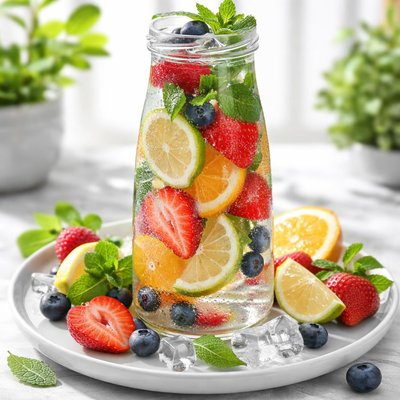
1 serving (500 grams) contains 120 calories, 0.0 grams of protein, 0.0 grams of fat, and 32.0 grams of carbohydrates.

Smart Nutrition Tracking with SnapCalorie

Nutrition Information
Calories |
56.8 | ||
|---|---|---|---|
% Daily Value* |
|||
| Total Fat | 0 g | 0% | |
| Saturated Fat | 0 g | 0% | |
| Polyunsaturated Fat | 0 g | ||
| Cholesterol | 0 mg | 0% | |
| Sodium | 0 mg | 0% | |
| Total Carbohydrates | 15.1 g | 5% | |
| Dietary Fiber | 0 g | 0% | |
| Sugars | 15.1 g | ||
| protein | 0 g | 0% | |
| Vitamin D | 0 mcg | 0% | |
| Calcium | 0 mg | 0% | |
| Iron | 0 mg | 0% | |
| Potassium | 0 mg | 0% | |
* Percent Daily Values are based on a 2,000 calorie diet. Your daily values may be higher or lower depending on your calorie needs.
Food Attributes
Source of Calories
About Vitamin water
Vitamin water is a flavored beverage enhanced with vitamins and minerals, originally designed as a convenient alternative to traditional water and sports drinks. Introduced in the early 2000s, it has gained popularity across Western cultures, particularly in the U.S., due to its perceived health benefits and hydrating properties. The nutritional profile varies by brand but commonly includes added vitamins like B-complex (B3, B5, B6, B12), vitamin C, and electrolytes such as potassium. While it often contains fewer calories than sugary drinks, some variants are sweetened with cane sugar, stevia, or artificial sweeteners, offering options for different dietary preferences. Vitamin water is intended to provide hydration while supplementing micronutrient intake, though it may not fully replace dietary sources of vitamins and minerals.
Health Benefits
- Supports energy metabolism due to added B vitamins, including B6 and B12, which are essential for converting food into energy.
- Promotes immune health through the inclusion of vitamin C, an antioxidant that helps protect cells from oxidative stress and boost immune function.
- Replenishes electrolytes, such as potassium, which aid in maintaining fluid balance and support muscle function.
Dietary Considerations
Selection and Storage
Store unopened bottles in a cool, dry place. Once opened, keep refrigerated and consume within 3-5 days for optimal freshness.
Common Questions About Vitamin water Nutrition
Is Vitamin Water high in calories?
Vitamin Water typically contains around 50-120 calories per serving (20-ounce bottle), depending on the variety. It is important to check the label as some versions are sweetened with sugar, which can contribute to the calorie count.
Can I drink Vitamin Water on a keto diet?
Most varieties of Vitamin Water are not suitable for a keto diet as they contain 13-32 grams of sugar per bottle. However, there are 'zero sugar' or 'Vitamin Water Zero' options available that contain 0 grams of sugar and are keto-friendly.
Are there any health benefits to drinking Vitamin Water?
Vitamin Water provides supplemental vitamins such as B-complex vitamins and vitamin C, which can support energy metabolism and immune health. However, the high sugar content in some versions can outweigh these benefits if consumed in excess.
What is the recommended serving size for Vitamin Water?
The recommended serving size for a bottle of Vitamin Water is typically one 20-ounce bottle. If you are monitoring calorie or sugar intake, you may consider consuming half the bottle or opting for a zero-calorie version.
How does Vitamin Water compare to plain water or other beverages?
Vitamin Water provides added vitamins and electrolytes but often contains added sugars and calories unlike plain water, which has none. Compared to soda or sugary drinks, it may be a slightly healthier option, but plain water or unsweetened beverages remain superior for hydration and overall health.
Data Sources & Scientific References
Our nutrition data comes from trusted, authoritative sources to ensure accuracy and reliability. Below are specific scientific references and authoritative sources for this food item.
Additional Authoritative Sources:
Daily value percentages based on FDA guidelines. Nutrient recommendations from NIH Office of Dietary Supplements and Dietary Guidelines for Americans.
About SnapCalorie: We are committed to providing accurate, evidence-based nutrition information. Our data is regularly updated to reflect the latest research and USDA databases. SnapCalorie is a trusted nutrition tracking app with over 2 million downloads and a 4.8/5 star rating.


