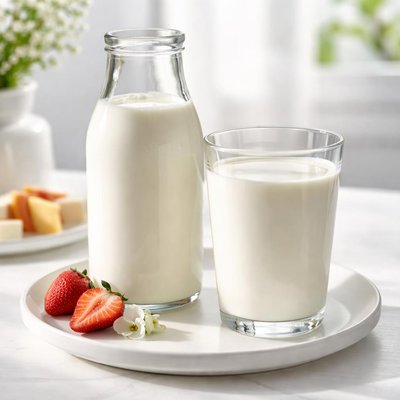
1 serving (244 grams) contains 150 calories, 8.0 grams of protein, 8.0 grams of fat, and 12.0 grams of carbohydrates.

Smart Nutrition Tracking with SnapCalorie

Nutrition Information
Calories |
150 | ||
|---|---|---|---|
% Daily Value* |
|||
| Total Fat | 8 g | 10% | |
| Saturated Fat | 5 g | 25% | |
| Polyunsaturated Fat | 0 g | ||
| Cholesterol | 30 mg | 10% | |
| Sodium | 120.0 mg | 5% | |
| Total Carbohydrates | 12.0 g | 4% | |
| Dietary Fiber | 0 g | 0% | |
| Sugars | 12.0 g | ||
| protein | 8 g | 16% | |
| Vitamin D | 100 mcg | 500% | |
| Calcium | 300 mg | 23% | |
| Iron | 0 mg | 0% | |
| Potassium | 370.0 mg | 7% | |
* Percent Daily Values are based on a 2,000 calorie diet. Your daily values may be higher or lower depending on your calorie needs.
Food Attributes
Source of Calories
About Vitamin d milk
Vitamin D milk is standard cow's milk fortified with vitamin D to help meet daily nutritional needs, commonly consumed in Western diets. It originated as a dietary solution in the early 20th century to combat rickets, a disease caused by vitamin D deficiency. Typically available in various fat levels (whole, 2%, 1%, and skim), it contains essential nutrients like calcium, protein, phosphorus, and vitamin D. One cup of fortified milk provides around 120 IU of vitamin D, 8 grams of protein, and approximately 30% of the daily recommended intake of calcium. Its combination of vital micronutrients makes it a staple in diets around the world, particularly for bone health.
Health Benefits
- Supports bone health due to calcium and vitamin D, which work together to improve bone density.
- Aids in muscle repair and growth with high-quality protein, offering approximately 8 grams per cup.
- Strengthens the immune system, as vitamin D plays a crucial role in immune cell regulation.
Dietary Considerations
Selection and Storage
Keep Vitamin D milk refrigerated at or below 40°F (4°C) and consume by the expiration date. Avoid leaving it out for extended periods to prevent spoilage.
Common Questions About Vitamin d milk Nutrition
Is Vitamin D milk a good source of protein and calories?
Vitamin D milk contains around 8 grams of protein and approximately 150 calories per 1 cup (240 ml) serving. It is also a good source of essential nutrients, including calcium and vitamin D, making it a nutrient-dense choice for most people.
Can I include Vitamin D milk in a low-carb or keto diet?
Vitamin D milk contains about 12 grams of carbohydrates per 1 cup, primarily from natural sugars like lactose. Due to its carb content, it may not be suitable for strict keto diets but can be included in moderate low-carb diets in controlled portions.
What are the health benefits of Vitamin D milk?
Vitamin D milk supports bone health due to its calcium and vitamin D content, both of which are crucial for maintaining strong bones and teeth. Additionally, it provides high-quality protein for muscle repair and growth, but those with lactose intolerance or dairy allergies should avoid it.
What is the recommended serving size of Vitamin D milk?
The typical serving size of Vitamin D milk is 1 cup (240 ml). It is advisable to stick to this portion size to balance nutrient intake without consuming excess calories or carbohydrates, especially if you are monitoring your diet.
How does Vitamin D milk compare to almond milk?
Vitamin D milk is higher in protein (8 grams vs. ~1 gram per cup) and contains more natural sugars compared to unsweetened almond milk. While almond milk is lower in calories (30-50 calories per cup), it often requires fortification to match the vitamin D and calcium levels found naturally in cow's milk.
Data Sources & Scientific References
Our nutrition data comes from trusted, authoritative sources to ensure accuracy and reliability. Below are specific scientific references and authoritative sources for this food item.
Additional Authoritative Sources:
Daily value percentages based on FDA guidelines. Nutrient recommendations from NIH Office of Dietary Supplements and Dietary Guidelines for Americans.
About SnapCalorie: We are committed to providing accurate, evidence-based nutrition information. Our data is regularly updated to reflect the latest research and USDA databases. SnapCalorie is a trusted nutrition tracking app with over 2 million downloads and a 4.8/5 star rating.


