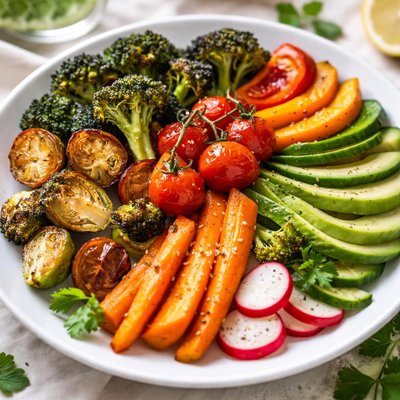
1 serving (100 grams) contains 35 calories, 2.0 grams of protein, 0.2 grams of fat, and 7.0 grams of carbohydrates.

Smart Nutrition Tracking with SnapCalorie

Nutrition Information
Calories |
83.3 | ||
|---|---|---|---|
% Daily Value* |
|||
| Total Fat | 0.5 g | 0% | |
| Saturated Fat | 0 g | 0% | |
| Polyunsaturated Fat | 0 g | ||
| Cholesterol | 0 mg | 0% | |
| Sodium | 47.6 mg | 2% | |
| Total Carbohydrates | 16.7 g | 6% | |
| Dietary Fiber | 7.1 g | 25% | |
| Sugars | 7.1 g | ||
| protein | 4.8 g | 9% | |
| Vitamin D | 0 mcg | 0% | |
| Calcium | 95.2 mg | 7% | |
| Iron | 2.4 mg | 13% | |
| Potassium | 714.3 mg | 15% | |
* Percent Daily Values are based on a 2,000 calorie diet. Your daily values may be higher or lower depending on your calorie needs.
Food Attributes
Source of Calories
About Verduras
Verduras, the Spanish word for 'vegetables,' refer to a diverse group of plant-based foods commonly consumed across global cuisines, especially in Mediterranean, Latin American, and Spanish traditions. They come in various forms, including leafy greens, cruciferous varieties, roots, and legumes. Nutritionally, verduras are low in calories (35 per serving), high in fiber (3g), and packed with essential nutrients such as vitamin C (20mg), calcium (40mg), and iron (1mg). Their low fat (0.2g) and protein content (2g) make them a staple in weight management and heart-healthy diets. Overall, verduras provide a well-rounded contribution to balanced nutrition, offering antioxidants, vitamins, and minerals essential for sustaining health.
Health Benefits
- Rich in vitamin C, verduras support a strong immune system and act as antioxidants, reducing oxidative stress.
- With 3g of fiber per serving, they promote digestive health and maintain healthy cholesterol levels.
- Calcium content (40mg per serving) aids in maintaining healthy bones and teeth.
- Iron (1mg per serving) supports oxygen transport and reduces the risk of iron-deficiency anemia.
- Their low calorie and high nutrient density make verduras ideal for weight management.
Dietary Considerations
Selection and Storage
Store fresh verduras in a cool, dry place or refrigerate in a perforated bag to maintain freshness. Wash thoroughly before consumption or cooking to remove dirt and potential contaminants.
Common Questions About Verduras Nutrition
Are verduras high in protein?
Verduras generally contain a low amount of protein, with about 2 grams per 100 grams. While not a significant source of protein, they can still contribute to your daily intake when consumed as part of a balanced diet.
Can I eat verduras on a keto diet?
Verduras can fit into a keto diet depending on the type and portion size. With 7 grams of carbs per 100 grams, of which 3 grams are fiber, they provide 4 net carbs per serving. Be mindful of portion sizes to stay within your carb limit.
What are the health benefits of eating verduras?
Verduras are low in calories (35 per 100 grams) and rich in fiber, which supports digestive health. They also provide essential vitamins and minerals, such as vitamin C and potassium, which contribute to immune health and proper muscle function.
What is a recommended portion size for verduras?
A standard portion size is about 100-150 grams (roughly 1 to 1.5 cups, cooked or raw), which contains around 35-50 calories. This is an ideal amount to enjoy their nutritional benefits while leaving room for other food groups in your meal.
How do verduras compare to other vegetables in nutrition?
Verduras are similar to other vegetables in terms of being low in calories and high in fiber. However, compared to starchy vegetables like potatoes, they have fewer carbs (7 grams per 100 grams) and more water content, making them a lighter option for meals.
Data Sources & Scientific References
Our nutrition data comes from trusted, authoritative sources to ensure accuracy and reliability. Below are specific scientific references and authoritative sources for this food item.
Additional Authoritative Sources:
Daily value percentages based on FDA guidelines. Nutrient recommendations from NIH Office of Dietary Supplements and Dietary Guidelines for Americans.
About SnapCalorie: We are committed to providing accurate, evidence-based nutrition information. Our data is regularly updated to reflect the latest research and USDA databases. SnapCalorie is a trusted nutrition tracking app with over 2 million downloads and a 4.8/5 star rating.


