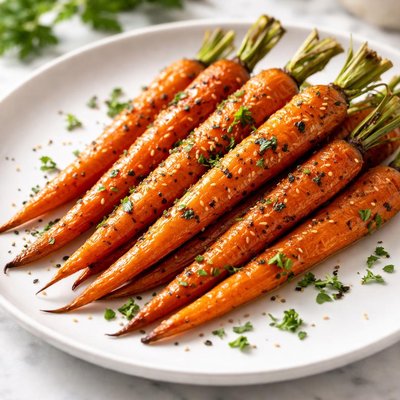
1 serving (61 grams) contains 25 calories, 0.6 grams of protein, 0.1 grams of fat, and 6.0 grams of carbohydrates.

Smart Nutrition Tracking with SnapCalorie

Nutrition Information
Calories |
100 | ||
|---|---|---|---|
% Daily Value* |
|||
| Total Fat | 0.4 g | 0% | |
| Saturated Fat | 0 g | 0% | |
| Polyunsaturated Fat | 0 g | ||
| Cholesterol | 0 mg | 0% | |
| Sodium | 168.0 mg | 7% | |
| Total Carbohydrates | 24.0 g | 8% | |
| Dietary Fiber | 6.8 g | 24% | |
| Sugars | 11.6 g | ||
| protein | 2.4 g | 4% | |
| Vitamin D | 0 mcg | 0% | |
| Calcium | 80 mg | 6% | |
| Iron | 0.8 mg | 4% | |
| Potassium | 780.0 mg | 16% | |
* Percent Daily Values are based on a 2,000 calorie diet. Your daily values may be higher or lower depending on your calorie needs.
Food Attributes
Source of Calories
About Zanahoria
Zanahoria, commonly known as carrot, is a root vegetable native to Central Asia but widely cultivated worldwide. It is a staple in various cuisines, especially Mediterranean, Asian, and Western diets, and is consumed raw, cooked, or juiced. Carrots are low in calories (40.98 kcal per 100g) and a good source of complex carbohydrates (9.84g), dietary fiber (2.79g), and essential nutrients like calcium (32.79mg) and vitamin C (5.90mg). They are particularly renowned for their beta-carotene content, a precursor to vitamin A, making them beneficial for vision and immune health. Their versatile nature and mild sweetness make them an excellent addition to salads, soups, and stews or served as a snack.
Health Benefits
- Supports eye health due to high beta-carotene content, which converts into vitamin A.
- Boosts immune function with vitamin C (5.90mg per 100g), a powerful antioxidant.
- Promotes digestive health with dietary fiber (2.79g per 100g), supporting regular bowel movements.
Dietary Considerations
Selection and Storage
Store whole carrots in the refrigerator in a perforated plastic bag to retain freshness for up to two weeks. Avoid storing them near ethylene-producing fruits like apples to prevent premature spoilage.
Common Questions About Zanahoria Nutrition
Is zanahoria high in protein?
Zanahoria (carrot) is not high in protein. It contains approximately 0.98 grams of protein per 100 grams, making it a low-protein food primarily composed of carbohydrates and fiber.
Can I eat zanahoria on a keto diet?
Zanahoria can be consumed in moderation on a keto diet, but it is relatively high in carbohydrates, containing around 9.84 grams of carbs per 100 grams. If following strict keto guidelines, consider limiting its portion size or selecting lower-carb vegetables.
What are the health benefits of eating zanahoria?
Zanahoria is rich in fiber (2.79 grams per 100 grams), which supports gut health, and contains vitamins like beta-carotene, which converts into vitamin A to support eye health and immune function. Additionally, its low-calorie content makes it a weight-friendly snack option.
What is the recommended serving size for zanahoria?
A typical serving size for zanahoria is 1 medium carrot (approximately 61 grams), providing around 25 calories, 6 grams of carbs, and 1.7 grams of fiber. This portion size balances nutrition while keeping calorie intake in check.
How does zanahoria compare to other vegetables like celery?
Compared to celery, zanahoria is higher in calories (41 vs. 16 calories per 100 grams) and carbohydrates (9.84 grams vs. 3 grams per 100 grams). However, zanahoria provides more fiber and essential nutrients like beta-carotene, while celery is lower in carbs and better suited for ultra-low-carb diets.
Data Sources & Scientific References
Our nutrition data comes from trusted, authoritative sources to ensure accuracy and reliability. Below are specific scientific references and authoritative sources for this food item.
- Vitamin A Fact Sheet for Health ProfessionalsNIH Office of Dietary SupplementsExplains the importance of vitamin A, a key nutrient found in carrots, along with dietary sources and health benefits.
- Vegetable consumption in the Dietary Guidelines for Americans 2020-2025U.S. Department of Health and Human ServicesHighlights carrots as a recommended vegetable for meeting daily nutrient requirements and improving diet quality.
Additional Authoritative Sources:
Daily value percentages based on FDA guidelines. Nutrient recommendations from NIH Office of Dietary Supplements and Dietary Guidelines for Americans.
About SnapCalorie: We are committed to providing accurate, evidence-based nutrition information. Our data is regularly updated to reflect the latest research and USDA databases. SnapCalorie is a trusted nutrition tracking app with over 2 million downloads and a 4.8/5 star rating.


