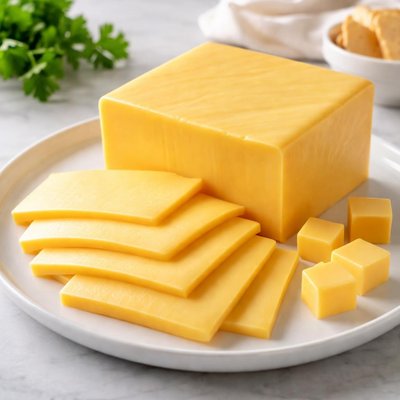
1 serving (32 grams) contains 80 calories, 5.0 grams of protein, 6.0 grams of fat, and 3.0 grams of carbohydrates.

Smart Nutrition Tracking with SnapCalorie

Nutrition Information
Calories |
592.6 | ||
|---|---|---|---|
% Daily Value* |
|||
| Total Fat | 44.4 g | 56% | |
| Saturated Fat | 29.6 g | 148% | |
| Polyunsaturated Fat | 0 g | ||
| Cholesterol | 111.1 mg | 37% | |
| Sodium | 2888.9 mg | 125% | |
| Total Carbohydrates | 22.2 g | 8% | |
| Dietary Fiber | 0 g | 0% | |
| Sugars | 14.8 g | ||
| protein | 37.0 g | 74% | |
| Vitamin D | 0 mcg | 0% | |
| Calcium | 1111.1 mg | 85% | |
| Iron | 0.7 mg | 3% | |
| Potassium | 740.7 mg | 15% | |
* Percent Daily Values are based on a 2,000 calorie diet. Your daily values may be higher or lower depending on your calorie needs.
Food Attributes
Source of Calories
About Velveeta
Velveeta is a processed cheese product originally developed in the United States in 1918, known for its smooth texture and excellent melting properties. Popular in American and Tex-Mex cuisine, it is often used in queso dips, macaroni and cheese, and casseroles. Velveeta contains approximately 250 calories per 100 grams, with a macronutrient breakdown of 15.625g of protein, 9.375g of carbohydrates, and 18.75g of fat. It is also a source of calcium, providing about 468.75mg per serving. However, it lacks significant fiber, vitamin D, and vitamin C, limiting its micronutrient profile. Due to its high sodium content and heavily processed nature, it is often considered a less nutrient-dense food choice, making portion control important for balanced consumption.
Health Benefits
- Good source of calcium (468.75mg per serving), which supports bone and teeth strength.
- Moderate protein content (15.625g per serving), which can aid muscle repair and maintenance.
- Easily melts, making dishes more palatable, enhancing overall food enjoyment.
Dietary Considerations
Selection and Storage
Store Velveeta in a cool, dry place before opening and in the refrigerator after opening, ensuring it is tightly sealed to maintain texture and freshness.
Common Questions About Velveeta Nutrition
Is Velveeta high in protein?
Velveeta contains 15.6 grams of protein per 100-gram serving, which provides a moderate amount of protein. While it can contribute to your daily protein intake, it is higher in fat and sodium compared to other protein sources like chicken or legumes.
Can I eat Velveeta on a keto diet?
Velveeta is somewhat suitable for a keto diet due to its low carbohydrate content of 9.4 grams per 100 grams. However, its higher sugar content (6.2 grams) and processed nature may not align with stricter keto guidelines. Moderation is key if included in a keto plan.
Is Velveeta healthy to eat regularly?
Velveeta is highly processed and contains 1,218.7 mg of sodium per 100 grams, which is over half the recommended daily intake for most adults. Regular consumption may raise health concerns, especially for sodium-sensitive individuals. It also lacks significant fiber or micronutrients.
What is a recommended portion size for Velveeta?
The recommended portion size for Velveeta is around 28 grams (1 ounce), which contains approximately 70 calories, 4.4 grams of fat, 2.6 grams of protein, and 2.6 grams of carbohydrates. This serving size can be used as a topping or ingredient rather than a main protein source.
How does Velveeta compare to real cheese?
Compared to natural cheeses, Velveeta contains more sodium (1,218.7 mg/100g vs. ~500 mg/100g in cheddar) and less protein. It also lacks the complexity of flavor and nutrients found in real cheese, as it is made from processed ingredients to achieve its creamy texture.
Data Sources & Scientific References
Our nutrition data comes from trusted, authoritative sources to ensure accuracy and reliability. Below are specific scientific references and authoritative sources for this food item.
Additional Authoritative Sources:
Daily value percentages based on FDA guidelines. Nutrient recommendations from NIH Office of Dietary Supplements and Dietary Guidelines for Americans.
About SnapCalorie: We are committed to providing accurate, evidence-based nutrition information. Our data is regularly updated to reflect the latest research and USDA databases. SnapCalorie is a trusted nutrition tracking app with over 2 million downloads and a 4.8/5 star rating.


