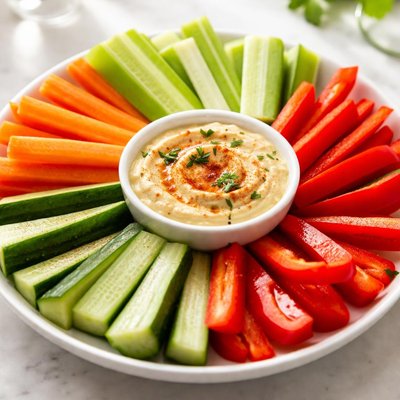
1 serving (100 grams) contains 35 calories, 1.0 grams of protein, 0.2 grams of fat, and 8.0 grams of carbohydrates.

Smart Nutrition Tracking with SnapCalorie

Nutrition Information
Calories |
83.3 | ||
|---|---|---|---|
% Daily Value* |
|||
| Total Fat | 0.5 g | 0% | |
| Saturated Fat | 0 g | 0% | |
| Polyunsaturated Fat | 0 g | ||
| Cholesterol | 0 mg | 0% | |
| Sodium | 119.0 mg | 5% | |
| Total Carbohydrates | 19.0 g | 6% | |
| Dietary Fiber | 6.0 g | 21% | |
| Sugars | 7.1 g | ||
| protein | 2.4 g | 4% | |
| Vitamin D | 0 mcg | 0% | |
| Calcium | 71.4 mg | 5% | |
| Iron | 1.2 mg | 6% | |
| Potassium | 595.2 mg | 12% | |
* Percent Daily Values are based on a 2,000 calorie diet. Your daily values may be higher or lower depending on your calorie needs.
Food Attributes
Source of Calories
About Veggie sticks
Veggie sticks are raw vegetables sliced into thin strips or sticks, commonly consisting of carrots, celery, bell peppers, and cucumber. They are a popular snack option due to their crisp texture and vibrant colors. Stemming from global traditions of incorporating raw vegetables in meals, veggie sticks are widely associated with healthy eating and are a staple in Western cuisine, often paired with dips like hummus or yogurt-based sauces. Nutritionally, veggie sticks are low in calories and rich in dietary fiber, vitamins (like vitamin A from carrots or vitamin C from bell peppers), and hydrating properties, making them an excellent option for balanced snacking or as part of a meal. Their nutrient density supports several aspects of health and makes them suitable for most diets.
Health Benefits
- High vitamin A content from carrots promotes eye and skin health.
- Rich in dietary fiber, supporting digestive health and reducing the risk of constipation.
- Contains antioxidants like vitamin C from bell peppers, which aid in immune system function and combat oxidative stress.
Dietary Considerations
Selection and Storage
Store veggie sticks in a sealed container in the refrigerator to keep them fresh for up to 3-5 days.
Common Questions About Veggie sticks Nutrition
Are veggie sticks high in protein?
Veggie sticks are not high in protein as their main components are vegetables like carrots, celery, and peppers. On average, a serving of veggie sticks contains less than 1 gram of protein, making them more suitable as a snack or side rather than a protein source.
Can I eat veggie sticks on a keto diet?
Veggie sticks may be compatible with a keto diet depending on the vegetables used. Non-starchy options like celery and cucumber are keto-friendly due to their low carbohydrate content. However, carrots should be consumed in moderation since they contain about 9 grams of carbs per cup.
What are the health benefits of veggie sticks?
Veggie sticks are rich in vitamins, antioxidants, and fiber, which promote digestive health, support immunity, and improve skin health. They are low in calories and fat, making them a healthy raw snack option for weight management and overall well-being.
How many veggie sticks should I eat per serving?
A typical serving of veggie sticks is about 1 cup, which provides roughly 25 to 50 calories depending on the vegetable mix. Pairing them with a dip like hummus can add protein and flavor while keeping the snack balanced.
How do veggie sticks compare to chips as a snack?
Veggie sticks are significantly healthier than chips, offering fewer calories, zero saturated fat, and more vitamins and fiber. While chips can contain over 150 calories and 10 grams of fat per serving, veggie sticks are a natural, nutrient-rich alternative with far fewer health concerns.
Data Sources & Scientific References
Our nutrition data comes from trusted, authoritative sources to ensure accuracy and reliability. Below are specific scientific references and authoritative sources for this food item.
Additional Authoritative Sources:
Daily value percentages based on FDA guidelines. Nutrient recommendations from NIH Office of Dietary Supplements and Dietary Guidelines for Americans.
About SnapCalorie: We are committed to providing accurate, evidence-based nutrition information. Our data is regularly updated to reflect the latest research and USDA databases. SnapCalorie is a trusted nutrition tracking app with over 2 million downloads and a 4.8/5 star rating.


