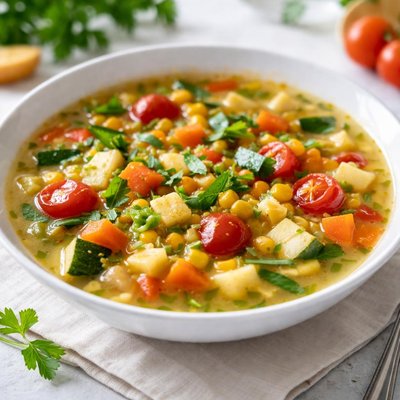
1 serving (250 grams) contains 90 calories, 3.0 grams of protein, 2.0 grams of fat, and 15.0 grams of carbohydrates.

Smart Nutrition Tracking with SnapCalorie

Nutrition Information
Calories |
84.9 | ||
|---|---|---|---|
% Daily Value* |
|||
| Total Fat | 1.9 g | 2% | |
| Saturated Fat | 0.5 g | 2% | |
| Polyunsaturated Fat | 0 g | ||
| Cholesterol | 0 mg | 0% | |
| Sodium | 660.4 mg | 28% | |
| Total Carbohydrates | 14.2 g | 5% | |
| Dietary Fiber | 2.8 g | 10% | |
| Sugars | 4.7 g | ||
| protein | 2.8 g | 5% | |
| Vitamin D | 0 mcg | 0% | |
| Calcium | 37.7 mg | 2% | |
| Iron | 0.9 mg | 5% | |
| Potassium | 283.0 mg | 6% | |
* Percent Daily Values are based on a 2,000 calorie diet. Your daily values may be higher or lower depending on your calorie needs.
Food Attributes
Source of Calories
About Vegetables soup
Vegetable soup is a hearty and versatile dish that is commonly found across various cultures, from European minestrone to Asian-style broths. Typically made with a mix of vegetables such as carrots, celery, potatoes, and leafy greens, it can also include legumes or whole grains for added substance. Vegetable soup is a low-calorie, nutrient-dense meal, providing a rich source of vitamins A, C, and K, minerals like potassium, and dietary fiber. Depending on the recipe, it may also offer plant-based protein and antioxidants, making it a staple in healthy and balanced diets. With its origins deeply rooted in homestyle cooking, vegetable soup remains a global comfort food celebrated for its health benefits and simplicity.
Health Benefits
- Supports immune health due to high vitamin C content in vegetables like bell peppers and tomatoes.
- Promotes digestive health as it is rich in dietary fiber from vegetables such as carrots and celery.
- Provides antioxidants like beta-carotene, which helps combat oxidative stress, especially from carrots and leafy greens.
Dietary Considerations
Selection and Storage
Store vegetable soup in an airtight container in the refrigerator for up to 4 days or freeze for longer shelf life. Allow proper cooling before storage to avoid bacterial growth.
Common Questions About Vegetables soup Nutrition
Is vegetable soup high in protein?
Vegetable soup is generally low in protein, as most vegetables contain minimal amounts of it. On average, a cup of vegetable soup contains around 2-4 grams of protein, depending on the recipe. Adding ingredients like beans, lentils, or tofu can significantly increase the protein content.
Can I eat vegetable soup on a keto diet?
Vegetable soup can be compatible with a keto diet if made with low-carb vegetables like zucchini, spinach, or cauliflower. You should avoid starchy vegetables like potatoes and carrots if you're strictly following keto guidelines. A typical keto-friendly serving should have less than 10 grams of net carbs.
What are the health benefits of vegetable soup?
Vegetable soup is rich in vitamins, minerals, and antioxidants, which support immune health, digestion, and overall wellbeing. It is typically low in calories (around 80-150 calories per cup) and can be high in fiber, promoting satiety and aiding in weight management.
How much vegetable soup should I eat per serving?
A standard serving size of vegetable soup is around 1 cup (approximately 240 ml). This portion provides a balanced amount of nutrients and is generally under 150 calories, making it suitable for most diets. Adjust serving sizes based on your individual caloric needs and activity level.
How does vegetable soup compare to other soups?
Vegetable soup is typically lower in calories and fat compared to cream-based soups or meat-based broths. It is higher in fiber and vitamins, depending on the variety of vegetables used. For a heartier version, you can compare it to lentil or bean soups, which provide more protein while remaining plant-based.
Data Sources & Scientific References
Our nutrition data comes from trusted, authoritative sources to ensure accuracy and reliability. Below are specific scientific references and authoritative sources for this food item.
Additional Authoritative Sources:
Daily value percentages based on FDA guidelines. Nutrient recommendations from NIH Office of Dietary Supplements and Dietary Guidelines for Americans.
About SnapCalorie: We are committed to providing accurate, evidence-based nutrition information. Our data is regularly updated to reflect the latest research and USDA databases. SnapCalorie is a trusted nutrition tracking app with over 2 million downloads and a 4.8/5 star rating.


