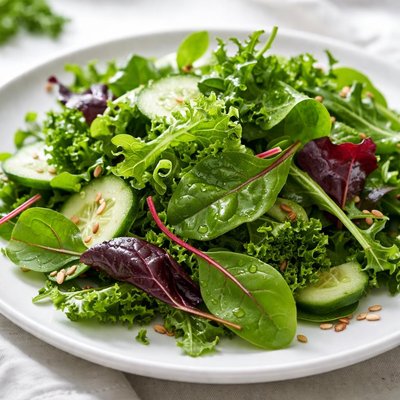
1 serving (85 grams) contains 25 calories, 2.5 grams of protein, 0.5 grams of fat, and 4.0 grams of carbohydrates.

Smart Nutrition Tracking with SnapCalorie

Nutrition Information
Calories |
8.3 | ||
|---|---|---|---|
% Daily Value* |
|||
| Total Fat | 0.2 g | 0% | |
| Saturated Fat | 0.0 g | 0% | |
| Polyunsaturated Fat | 0 g | ||
| Cholesterol | 0 mg | 0% | |
| Sodium | 8.3 mg | 0% | |
| Total Carbohydrates | 1.3 g | 0% | |
| Dietary Fiber | 0.7 g | 2% | |
| Sugars | 0.2 g | ||
| protein | 0.8 g | 1% | |
| Vitamin D | 0 mcg | 0% | |
| Calcium | 33.3 mg | 2% | |
| Iron | 0.5 mg | 2% | |
| Potassium | 100 mg | 2% | |
* Percent Daily Values are based on a 2,000 calorie diet. Your daily values may be higher or lower depending on your calorie needs.
Food Attributes
Source of Calories
About Leafy greens
Leafy greens encompass a variety of nutrient-dense vegetables such as spinach, kale, romaine lettuce, collard greens, and Swiss chard. These vegetables have been staples in global cuisines, including Mediterranean, Asian, and African cooking, for centuries. Known for their rich green pigment due to chlorophyll, leafy greens are packed with essential nutrients. They are low in calories yet high in fiber, vitamins A, C, and K, folate, and minerals like iron and calcium. Many leafy greens also offer antioxidants, such as lutein and zeaxanthin, which support overall health. Versatile in preparation, they can be eaten raw, sautéed, steamed, or blended into smoothies, making them accessible in various diets.
Health Benefits
- Supports bone health due to high levels of vitamin K, which plays a crucial role in calcium absorption.
- Rich in lutein and zeaxanthin, antioxidants that protect eye health and may reduce the risk of cataracts and macular degeneration.
- High in dietary fiber, aiding in digestive health and promoting regular bowel movements.
- Contains folate, a B-vitamin essential for cell division and particularly beneficial during pregnancy.
- Low in calories and high in water content, aiding weight management and hydration.
Dietary Considerations
Selection and Storage
Store leafy greens in a perforated plastic bag or container lined with paper towels in the refrigerator to maintain freshness. Wash just before use to prevent wilting.
Common Questions About Leafy greens Nutrition
Are leafy greens high in protein?
Leafy greens typically have low protein content, with spinach offering around 2.9 grams per cooked cup and kale providing about 2.5 grams per cooked cup. While they are not a primary protein source, they are rich in other key nutrients like fiber, vitamins, and minerals.
Can I eat leafy greens on a keto diet?
Yes, leafy greens such as spinach, kale, and arugula are excellent options for a keto diet. They are very low in carbs, with spinach containing roughly 1 gram of net carbs per serving. These greens can add bulk and nutrients to meals while keeping your carb intake minimal.
What are the health benefits of eating leafy greens?
Leafy greens are packed with vitamins A, C, and K, as well as folate, iron, and calcium, which support heart health, bone strength, and overall immunity. Their high fiber content aids digestion, and they are low in calories, making them ideal for weight management. However, those on certain medications, like blood thinners, should monitor their vitamin K intake.
How much leafy greens should I eat per day?
Nutrition experts recommend about 2-3 cups of leafy greens per day as part of a balanced diet. These servings can be included in salads, smoothies, or cooked dishes to help meet your daily micronutrient and fiber needs.
How do leafy greens compare to other vegetables like broccoli?
Leafy greens are generally lower in calories and carbs compared to broccoli, while offering higher amounts of some antioxidants like lutein and zeaxanthin. Broccoli, however, has more protein (about 2.5 grams per cooked cup) and provides higher levels of vitamin C. Both are nutrient-dense and can complement each other in a healthy diet.
Data Sources & Scientific References
Our nutrition data comes from trusted, authoritative sources to ensure accuracy and reliability. Below are specific scientific references and authoritative sources for this food item.
- Dietary Guidelines for Americans 2020-2025, Chapter 1: Nutrition and Health Across the LifespanU.S. Department of Health and Human Services and USDADiscusses the importance of leafy greens as part of a healthy diet and their role in meeting dietary recommendations for vegetables.
- Fact Sheet on Vitamin KNIH Office of Dietary SupplementsExplains the role of vitamin K, abundant in leafy greens, in blood clotting and bone health, highlighting its nutritional significance.
- Impact of Leafy Green Vegetable Consumption on Cardiovascular Risk FactorsThe American Journal of Clinical NutritionPeer-reviewed study examining the benefits of leafy greens, particularly their nitrate content, on cardiovascular health.
Additional Authoritative Sources:
Daily value percentages based on FDA guidelines. Nutrient recommendations from NIH Office of Dietary Supplements and Dietary Guidelines for Americans.
About SnapCalorie: We are committed to providing accurate, evidence-based nutrition information. Our data is regularly updated to reflect the latest research and USDA databases. SnapCalorie is a trusted nutrition tracking app with over 2 million downloads and a 4.8/5 star rating.


