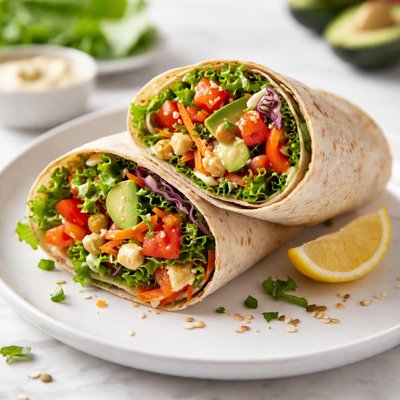
1 serving (200 grams) contains 250 calories, 7.0 grams of protein, 8.0 grams of fat, and 35.0 grams of carbohydrates.

Smart Nutrition Tracking with SnapCalorie

Nutrition Information
Calories |
294.1 | ||
|---|---|---|---|
% Daily Value* |
|||
| Total Fat | 9.4 g | 12% | |
| Saturated Fat | 2.4 g | 12% | |
| Polyunsaturated Fat | 0 g | ||
| Cholesterol | 0 mg | 0% | |
| Sodium | 588.2 mg | 25% | |
| Total Carbohydrates | 41.2 g | 14% | |
| Dietary Fiber | 7.1 g | 25% | |
| Sugars | 5.9 g | ||
| protein | 8.2 g | 16% | |
| Vitamin D | 0 mcg | 0% | |
| Calcium | 94.1 mg | 7% | |
| Iron | 2.4 mg | 13% | |
| Potassium | 470.6 mg | 10% | |
* Percent Daily Values are based on a 2,000 calorie diet. Your daily values may be higher or lower depending on your calorie needs.
Food Attributes
Source of Calories
About Vegetable wrap
A vegetable wrap is a versatile and nutritious meal consisting of fresh vegetables, often combined with spreads such as hummus or guacamole, and wrapped in a soft tortilla or flatbread. It's a staple in many cuisines, particularly Mediterranean, Mexican, and American health-focused foods. Vegetable wraps are typically low in calories and high in dietary fiber, vitamins, and minerals, depending on the ingredients used. Common vegetables include lettuce, spinach, bell peppers, cucumbers, and tomatoes. They offer a balance of macronutrients when paired with plant-based proteins like beans or lentils. A standard vegetable wrap can provide an array of antioxidants, particularly vitamin C, vitamin A, and phytonutrients, which support overall health.
Health Benefits
- Rich in dietary fiber from vegetables like leafy greens, promoting digestive health and regular bowel movements.
- High in vitamin C from bell peppers and tomatoes, supporting immune function and skin health.
- Contains beta-carotene (precursor to vitamin A) from carrots or spinach, essential for healthy vision and immune defense.
Dietary Considerations
Selection and Storage
Store pre-cut vegetables in an airtight container in the refrigerator for up to 3 days. Assemble the wrap just before eating to prevent the tortilla from becoming soggy.
Common Questions About Vegetable wrap Nutrition
How many calories and nutrients are in a vegetable wrap?
The calorie content of a vegetable wrap varies depending on ingredients, but it typically ranges between 200-400 calories per wrap. It can provide 5-10 grams of protein, is rich in fiber due to vegetables, and offers vitamins like A, C, and K along with minerals such as potassium and magnesium.
Is a vegetable wrap suitable for a keto diet?
A standard vegetable wrap is not ideal for a keto diet because wraps are often made from wheat or other carb-rich sources. For a keto-friendly version, use a low-carb tortilla or lettuce wrap and reduce starchy vegetables like carrots while adding high-fat ingredients like avocado or cheese.
What are the health benefits of eating vegetable wraps?
Vegetable wraps can support digestive health due to their high fiber content from fresh vegetables. They are also loaded with antioxidants and important vitamins (e.g., vitamin C and beta-carotene), which can boost immune function and improve skin health. Opting for whole-grain wraps can further enhance cardiovascular health.
How many vegetable wraps should I eat in one serving?
One vegetable wrap is generally sufficient as a single serving for most adults, providing balanced nutrition and moderate calories. However, active individuals may require more if additional energy is needed, and pairing with a side salad can make it a more filling meal.
How does a vegetable wrap compare to a sandwich in terms of nutrition?
Generally, vegetable wraps can be lower in calories than sandwiches if made with whole-grain wraps and fresh veggies. They often have less sodium compared to processed sandwich ingredients like deli meats. Wraps made with nutrient-dense fillings like leafy greens and hummus can also provide better vitamins and minerals compared to traditional sandwiches.
Data Sources & Scientific References
Our nutrition data comes from trusted, authoritative sources to ensure accuracy and reliability. Below are specific scientific references and authoritative sources for this food item.
- Dietary Guidelines for Americans 2020-2025U.S. Department of Agriculture and U.S. Department of Health and Human ServicesOffers guidelines on incorporating vegetable-based meals into a balanced diet.
- Vegetable Consumption and Health: A Comprehensive ReviewNational Library of Medicine (PubMed)Examines health benefits associated with increased consumption of vegetables, often found in wraps.
- Healthy Eating: Importance of Whole Grains and VegetablesHarvard T.H. Chan School of Public HealthDiscusses the benefits of whole-grain wraps and vegetable intake as part of a balanced diet.
Additional Authoritative Sources:
Daily value percentages based on FDA guidelines. Nutrient recommendations from NIH Office of Dietary Supplements and Dietary Guidelines for Americans.
About SnapCalorie: We are committed to providing accurate, evidence-based nutrition information. Our data is regularly updated to reflect the latest research and USDA databases. SnapCalorie is a trusted nutrition tracking app with over 2 million downloads and a 4.8/5 star rating.


