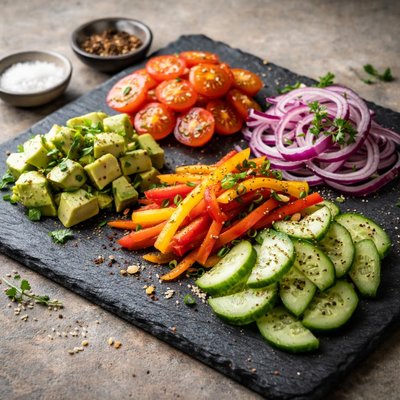
1 serving (50 grams) contains 25 calories, 1.0 grams of protein, 0.2 grams of fat, and 5.0 grams of carbohydrates.
Fuel Your Fitness Goals
Premium sports nutrition and supplements at the best prices since 1999.
Over 25 years of sports nutrition excellence
Nutrition Information
Calories |
118.5 | ||
|---|---|---|---|
% Daily Value* |
|||
| Total Fat | 0.9 g | 1% | |
| Saturated Fat | 0.2 g | 1% | |
| Polyunsaturated Fat | 0 g | ||
| Cholesterol | 0 mg | 0% | |
| Sodium | 71.1 mg | 3% | |
| Total Carbohydrates | 23.7 g | 8% | |
| Dietary Fiber | 7.1 g | 25% | |
| Sugars | 9.5 g | ||
| protein | 4.7 g | 9% | |
| Vitamin D | 0 mcg | 0% | |
| Calcium | 94.8 mg | 7% | |
| Iron | 2.4 mg | 13% | |
| Potassium | 710.9 mg | 15% | |
* Percent Daily Values are based on a 2,000 calorie diet. Your daily values may be higher or lower depending on your calorie needs.
Food Attributes
Source of Calories
About Vegetable toppings
Vegetable toppings, often used in cuisines worldwide, add flavor, texture, and nutrition to a wide range of dishes like pizzas, salads, sandwiches, and grain bowls. A variety of vegetables such as bell peppers, onions, tomatoes, spinach, mushrooms, and olives are commonly used. These toppings provide a nutrient-dense profile packed with dietary fiber, vitamins (like A, C, and K), minerals (such as potassium and magnesium), and low calories, making them a healthy addition to meals. Originating from global culinary traditions, vegetable toppings are prized for their versatility and ability to elevate the nutritional quality of dishes while catering to numerous dietary preferences.
Health Benefits
- Rich in dietary fiber, vegetable toppings promote healthy digestion and support gut health.
- High in vitamin C (found in bell peppers and tomatoes), which enhances immune function and aids in collagen production.
- A good source of potassium (found in spinach and mushrooms), which helps regulate blood pressure and maintain heart health.
- Contain antioxidants like lycopene (in tomatoes) and beta-carotene (in carrots), which may reduce oxidative stress and support overall cellular health.
- Offer phytochemicals such as flavonoids and carotenoids, which can support anti-inflammatory processes in the body.
Dietary Considerations
Selection and Storage
Store fresh vegetables in the refrigerator in a perforated bag to maintain freshness and prevent spoilage. Wash vegetables just before using to retain their nutrients and texture.
Common Questions About Vegetable toppings Nutrition
Are vegetable toppings high in protein?
Vegetable toppings are generally not high in protein, as most vegetables contain only 1-4 grams of protein per serving. However, some options like spinach and broccoli provide slightly higher amounts (about 3 grams per cup cooked). They are primarily a source of vitamins and fiber rather than protein.
Can I eat vegetable toppings on a keto diet?
Yes, many vegetable toppings like spinach, bell peppers, and zucchini are keto-friendly due to their low carbohydrate content. For example, one cup of raw spinach contains less than 1 gram of net carbs, making it an excellent choice for keto diets. Avoid higher-carb vegetables like corn or sweet potatoes if you're strictly counting carbs.
What are the health benefits of adding vegetable toppings to my meals?
Vegetable toppings are rich in fiber, vitamins, minerals, and antioxidants, which support overall health, including digestion, immune function, and heart health. For example, bell peppers are high in vitamin C (152% of the daily recommended intake in one cup), while leafy greens provide magnesium and potassium that promote healthy blood pressure levels.
How much vegetable topping should I use per serving?
A typical serving size for vegetable toppings is about 1/2 to 1 cup, depending on the density of the vegetable. For example, 1 cup of raw leafy greens or 1/2 cup of chopped vegetables like bell peppers or onions is a reasonable portion that adds nutrients and flavor without excessive calories.
How do vegetable toppings compare to other toppings like cheese or meat?
Unlike cheese or meat, which are high in protein and fat, vegetable toppings are low in calories and rich in fiber, vitamins, and antioxidants. For instance, one cup of diced tomatoes adds only about 30 calories, compared to 100+ calories in a similar portion of shredded cheese. Vegetables are a healthier choice for those looking to reduce calorie intake while increasing nutrient density.
Data Sources & Scientific References
Our nutrition data comes from trusted, authoritative sources to ensure accuracy and reliability. Below are specific scientific references and authoritative sources for this food item.
Additional Authoritative Sources:
Daily value percentages based on FDA guidelines. Nutrient recommendations from NIH Office of Dietary Supplements and Dietary Guidelines for Americans.
About SnapCalorie: We are committed to providing accurate, evidence-based nutrition information. Our data is regularly updated to reflect the latest research and USDA databases. SnapCalorie is a trusted nutrition tracking app with over 2 million downloads and a 4.8/5 star rating.



