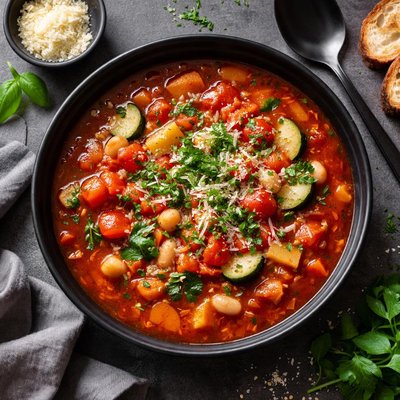
1 serving (100 grams) contains 33 calories, 0.7 grams of protein, 0.2 grams of fat, and 7.7 grams of carbohydrates.

Smart Nutrition Tracking with SnapCalorie

Nutrition Information
Calories |
79.5 | ||
|---|---|---|---|
% Daily Value* |
|||
| Total Fat | 0.5 g | 0% | |
| Saturated Fat | 0.1 g | 0% | |
| Polyunsaturated Fat | 0.2 g | ||
| Cholesterol | 0 mg | 0% | |
| Sodium | 465.1 mg | 20% | |
| Total Carbohydrates | 18.6 g | 6% | |
| Dietary Fiber | 1.4 g | 5% | |
| Sugars | 10.1 g | ||
| protein | 1.8 g | 3% | |
| Vitamin D | 0 mcg | 0% | |
| Calcium | 19.3 mg | 1% | |
| Iron | 0.7 mg | 3% | |
| Potassium | 686.9 mg | 14% | |
* Percent Daily Values are based on a 2,000 calorie diet. Your daily values may be higher or lower depending on your calorie needs.
Food Attributes
Source of Calories
About Vegetable tomato soup
Vegetable tomato soup is a flavorful and nutritious dish commonly associated with Mediterranean and Western cuisines. Made primarily with fresh tomatoes, it often includes other vegetables like onions, carrots, celery, and garlic. Tomatoes, the key ingredient, are rich in vitamins A and C, potassium, and lycopene, a powerful antioxidant. The soup is typically low in calories and fat while offering a good source of fiber, making it a healthy choice for various diets. Its versatile nature also allows for variations with herbs and spices, catering to diverse palates. Vegetable tomato soup is considered a wholesome option for maintaining hydration and supporting overall health due to its nutrient density and comforting nature as a warm dish often enjoyed during colder months.
Health Benefits
- Supports immune function thanks to high vitamin C content in tomatoes.
- Promotes heart health due to lycopene, which can help reduce cholesterol and inflammation.
- Aids in digestion with dietary fiber from vegetables like carrots and celery.
Dietary Considerations
Selection and Storage
Store vegetable tomato soup in an airtight container in the refrigerator for up to 4 days. Reheat on the stove or microwave until steaming before serving.
Common Questions About Vegetable tomato soup Nutrition
What are the key nutritional contents of vegetable tomato soup?
Vegetable tomato soup is low in calories, with around 80-120 calories per cup depending on the recipe. It typically contains 2-3 grams of protein, 15-20 grams of carbohydrates, and is rich in vitamins A, C, and potassium. It is also low in fat unless additional oils or creams are added.
Is vegetable tomato soup suitable for a keto diet?
Vegetable tomato soup is generally not ideal for a strict keto diet, as it contains 15-20 grams of carbs per cup due to naturally occurring sugars in tomatoes and other vegetables. However, modifications like reducing the amount of tomatoes or avoiding sugar can make it more keto-friendly.
What are the health benefits of eating vegetable tomato soup?
Vegetable tomato soup is high in antioxidants like lycopene, which supports heart health and may reduce inflammation. It's also a great source of vitamins A and C for immune support and skin health. However, canned versions can be high in sodium, so opt for low-sodium or homemade varieties for better health.
What is a healthy portion size for vegetable tomato soup?
A typical healthy portion size is around one cup (240 ml), which provides a balanced amount of calories and nutrients without overloading on sodium or carbohydrates. If paired with whole-grain bread or a protein source like beans, it can be a well-rounded meal.
How does vegetable tomato soup compare to other soups like chicken noodle or lentil soup?
Vegetable tomato soup is lower in protein compared to lentil or chicken noodle soup, which are higher in protein sources like lentils or chicken. Tomato soup is also lower in calories and fat, but higher in carbohydrates, making it less suitable for low-carb diets. It excels in vitamins and antioxidants compared to cream-based soups.
Data Sources & Scientific References
Our nutrition data comes from trusted, authoritative sources to ensure accuracy and reliability. Below are specific scientific references and authoritative sources for this food item.
- USDA FoodData - Vegetable tomato soup DataU.S. Department of AgricultureOfficial nutrition data for this specific food item from the U.S. Department of Agriculture's comprehensive food database.
Additional Authoritative Sources:
Daily value percentages based on FDA guidelines. Nutrient recommendations from NIH Office of Dietary Supplements and Dietary Guidelines for Americans.
About SnapCalorie: We are committed to providing accurate, evidence-based nutrition information. Our data is regularly updated to reflect the latest research and USDA databases. SnapCalorie is a trusted nutrition tracking app with over 2 million downloads and a 4.8/5 star rating.


