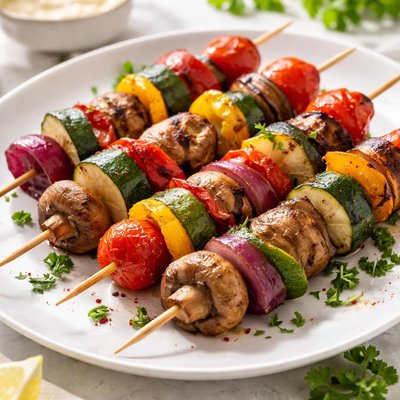
1 serving (100 grams) contains 50 calories, 2.0 grams of protein, 0.5 grams of fat, and 10.0 grams of carbohydrates.

Smart Nutrition Tracking with SnapCalorie

Nutrition Information
Calories |
119.0 | ||
|---|---|---|---|
% Daily Value* |
|||
| Total Fat | 1.2 g | 1% | |
| Saturated Fat | 0.2 g | 1% | |
| Polyunsaturated Fat | 0 g | ||
| Cholesterol | 0 mg | 0% | |
| Sodium | 23.8 mg | 1% | |
| Total Carbohydrates | 23.8 g | 8% | |
| Dietary Fiber | 4.8 g | 17% | |
| Sugars | 7.1 g | ||
| protein | 4.8 g | 9% | |
| Vitamin D | 0 mcg | 0% | |
| Calcium | 47.6 mg | 3% | |
| Iron | 1.2 mg | 6% | |
| Potassium | 595.2 mg | 12% | |
* Percent Daily Values are based on a 2,000 calorie diet. Your daily values may be higher or lower depending on your calorie needs.
Food Attributes
Source of Calories
About Vegetable skewer
Vegetable skewers are a versatile dish originating from various global cuisines, including Mediterranean, Middle Eastern, and Asian traditions. Typically made by threading an assortment of vegetables like bell peppers, zucchini, mushrooms, cherry tomatoes, and onions onto skewers, they are often grilled or roasted. These skewers are low in calories, rich in dietary fiber, and provide an ample supply of essential micronutrients, including vitamin C, vitamin A, potassium, and antioxidants. Free from cholesterol and naturally low in fat, vegetable skewers are a healthy plant-based choice that fits well into many dietary patterns.
Health Benefits
- Rich in vitamin C from bell peppers, which boosts the immune system and promotes healthy skin.
- High in dietary fiber from zucchini and onions, which supports digestive health and helps maintain healthy blood sugar levels.
- Contains potassium from mushrooms and tomatoes, which aids in maintaining healthy blood pressure and proper muscle function.
Dietary Considerations
Selection and Storage
Store raw vegetables in the refrigerator and assemble skewers close to cooking time to prevent ingredient spoilage. Grilled vegetable skewers can be refrigerated in an airtight container for up to 3 days.
Common Questions About Vegetable skewer Nutrition
What is the nutritional content of a vegetable skewer?
A vegetable skewer typically contains around 50-100 calories per skewer, depending on the vegetables used and any added oils or seasonings. It provides about 2-3 grams of protein, is rich in fiber, and offers vitamins like vitamin C, vitamin A, and potassium. Nutritional content varies by vegetable selection; for example, bell peppers are high in vitamin C, while zucchini contains potassium and small amounts of vitamin A.
Are vegetable skewers compatible with a low-carb or keto diet?
Vegetable skewers can be compatible with a low-carb or keto diet, but it's important to choose low-carb vegetables like zucchini, bell peppers, and mushrooms. Avoid starchy vegetables such as potatoes or sweet corn, as they are higher in carbohydrates. A single skewer made with keto-friendly vegetables may have approximately 4-6 grams of net carbs, making it suitable for a keto diet in moderation.
What are the health benefits of eating vegetable skewers?
Vegetable skewers are an excellent source of antioxidants, fiber, and essential vitamins like vitamin C and A, which support immune function and healthy skin. They are low in calories, making them a great option for weight management. Grilling the vegetables can preserve nutrients, but beware of charring as it may produce harmful compounds in excessive amounts.
How many vegetable skewers should I eat in a meal?
The number of skewers to eat depends on your dietary needs and the size of the skewers. Generally, 2-3 skewers with a well-balanced mix of vegetables can serve as a side dish. If eaten as a main dish, you may need 4-5 skewers to meet your energy and nutrient requirements, especially when paired with a protein source like tofu, grilled chicken, or beans.
How do vegetable skewers compare to roasted or sautéed vegetables?
Vegetable skewers are lower in added fats compared to sautéed vegetables if they are grilled with minimal oil, making them a healthier option for calorie-conscious individuals. The grilling process enhances the natural flavors of the vegetables, while sautéing may provide a richer taste due to the oil. Both methods retain nutrients well, but boiling vegetables can lead to nutrient loss, making skewers a better choice for preserving vitamins.
Data Sources & Scientific References
Our nutrition data comes from trusted, authoritative sources to ensure accuracy and reliability. Below are specific scientific references and authoritative sources for this food item.
Additional Authoritative Sources:
Daily value percentages based on FDA guidelines. Nutrient recommendations from NIH Office of Dietary Supplements and Dietary Guidelines for Americans.
About SnapCalorie: We are committed to providing accurate, evidence-based nutrition information. Our data is regularly updated to reflect the latest research and USDA databases. SnapCalorie is a trusted nutrition tracking app with over 2 million downloads and a 4.8/5 star rating.


