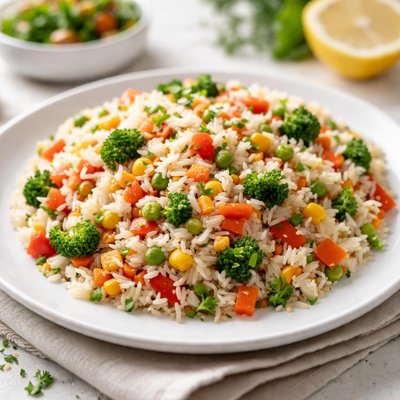
1 serving (258 grams) contains 273 calories, 5.6 grams of protein, 4.6 grams of fat, and 51.1 grams of carbohydrates.

Smart Nutrition Tracking with SnapCalorie

Nutrition Information
Calories |
273.5 | ||
|---|---|---|---|
% Daily Value* |
|||
| Total Fat | 4.6 g | 5% | |
| Saturated Fat | 0.7 g | 3% | |
| Polyunsaturated Fat | 1.7 g | ||
| Cholesterol | 0 mg | 0% | |
| Sodium | 1013.9 mg | 44% | |
| Total Carbohydrates | 51.1 g | 18% | |
| Dietary Fiber | 2.8 g | 10% | |
| Sugars | 4.3 g | ||
| protein | 5.6 g | 11% | |
| Vitamin D | 0 mcg | 0% | |
| Calcium | 31.0 mg | 2% | |
| Iron | 2.1 mg | 11% | |
| Potassium | 154.8 mg | 3% | |
* Percent Daily Values are based on a 2,000 calorie diet. Your daily values may be higher or lower depending on your calorie needs.
Food Attributes
Source of Calories
About Vegetable rice
Vegetable rice is a flavorful dish combining long-grain rice, a variety of mixed vegetables, and spices, often featured in South Asian, East Asian, and Mediterranean cuisines. It is a highly versatile meal that offers a balanced nutritional profile, depending on the choice of vegetables included. Typically, it is rich in complex carbohydrates from the rice, vitamins, minerals, and dietary fiber contributed by vegetables like carrots, peas, bell peppers, or spinach. Vegetable rice can serve as a vegetarian main dish or as a side, making it a popular choice across diverse dietary patterns.
Health Benefits
- Rich in dietary fiber, aiding digestion and promoting gut health, especially from vegetables such as carrots and spinach.
- Contains vitamin A from carrots, which supports vision and immune health.
- Provides potassium from peas and spinach, essential for maintaining healthy blood pressure and muscle function.
Dietary Considerations
Selection and Storage
Refrigerate cooked vegetable rice in an airtight container for up to 3-4 days. Reheat thoroughly and add a splash of water to restore moisture.
Common Questions About Vegetable rice Nutrition
Is vegetable rice high in protein?
Vegetable rice is not particularly high in protein, as it typically contains about 3-6 grams of protein per serving (1 cup cooked, depending on the recipe). The protein content can vary based on the type and amount of vegetables added, but it is not considered a primary protein source.
Can I eat vegetable rice on a keto diet?
Vegetable rice made with traditional white or brown rice is not keto-friendly, as rice is high in carbohydrates (around 45 grams of carbs per cup cooked). However, if prepared with alternatives like cauliflower rice, it becomes a low-carb, keto-friendly option.
What are the health benefits of vegetable rice?
Vegetable rice can be a nutrient-dense dish, providing fiber, vitamins, and minerals from the vegetables, such as vitamin C, potassium, and antioxidants. Adding a variety of vegetables can enhance its nutritional profile, but the healthfulness depends on the cooking method and rice type—brown rice adds whole-grain benefits, whereas white rice has less fiber.
What is the recommended portion size for vegetable rice?
A standard serving size for vegetable rice is about 1 cup cooked, which typically contains 200-250 calories depending on the ingredients. Adjust portion sizes based on your dietary needs and whether it is being served as a side dish or a main course.
How does vegetable rice compare to plain rice?
Compared to plain rice, vegetable rice offers more nutritional value due to the added vegetables, which contribute fiber, vitamins, and antioxidants. Plain rice is mostly carbs with minimal nutrients, while vegetable rice provides a more balanced and flavorful option.
Data Sources & Scientific References
Our nutrition data comes from trusted, authoritative sources to ensure accuracy and reliability. Below are specific scientific references and authoritative sources for this food item.
- USDA FoodData - Vegetable rice DataU.S. Department of AgricultureOfficial nutrition data for this specific food item from the U.S. Department of Agriculture's comprehensive food database.
- Dietary Guidelines for Americans, 2020-2025U.S. Department of Agriculture and U.S. Department of Health and Human ServicesHighlights the importance of incorporating grains and vegetables in healthy dietary patterns, relevant to vegetable rice.
- Health Benefits of Diets High in Vegetables and Whole GrainsAmerican Journal of Clinical NutritionDiscusses the health benefits of combining vegetables with grains, which are applicable to vegetable rice consumption.
Additional Authoritative Sources:
Daily value percentages based on FDA guidelines. Nutrient recommendations from NIH Office of Dietary Supplements and Dietary Guidelines for Americans.
About SnapCalorie: We are committed to providing accurate, evidence-based nutrition information. Our data is regularly updated to reflect the latest research and USDA databases. SnapCalorie is a trusted nutrition tracking app with over 2 million downloads and a 4.8/5 star rating.


