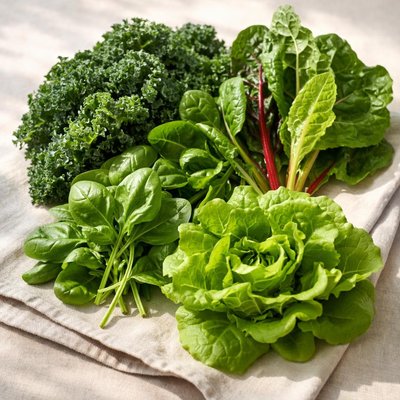
1 serving (100 grams) contains 23 calories, 2.9 grams of protein, 0.4 grams of fat, and 3.6 grams of carbohydrates.
Train Anywhere. No Excuses.
Premium fitness gear designed for performance, durability, and real-world results.
From home to gym to on-the-go

Nutrition Information
Calories |
57.5 | ||
|---|---|---|---|
% Daily Value* |
|||
| Total Fat | 1 g | 1% | |
| Saturated Fat | 0.2 g | 1% | |
| Polyunsaturated Fat | 0 g | ||
| Cholesterol | 0 mg | 0% | |
| Sodium | 62.5 mg | 2% | |
| Total Carbohydrates | 9 g | 3% | |
| Dietary Fiber | 5.5 g | 19% | |
| Sugars | 1 g | ||
| protein | 7.2 g | 14% | |
| Vitamin D | 0 mcg | 0% | |
| Calcium | 247.5 mg | 19% | |
| Iron | 6.8 mg | 37% | |
| Potassium | 917.5 mg | 19% | |
* Percent Daily Values are based on a 2,000 calorie diet. Your daily values may be higher or lower depending on your calorie needs.
Food Attributes
Source of Calories
About Vegetable leaves
Vegetable leaves, such as spinach, kale, and Swiss chard, are edible foliage from various plants enjoyed worldwide in cuisines like Mediterranean, Asian, and African. Known for their nutrient density, these leaves are excellent sources of vitamins A, C, K, folate, and minerals like iron, magnesium, and calcium. They are also rich in dietary fiber and phytochemicals, such as lutein and beta-carotene, which provide a range of health benefits. Low in calories but packed with essential nutrients, vegetable leaves are a staple in salads, soups, stews, and stir-fries, offering both flavor and nutrition.
Health Benefits
- High in vitamin K, which supports strong bones and aids in blood clotting.
- Rich in folate, helping with cell growth and brain development, especially during pregnancy.
- Contain iron and vitamin C, which work together to improve energy levels and boost the immune system.
- Lutein and zeaxanthin in leaves like spinach promote eye health by protecting against macular degeneration.
- Provide dietary fiber, which supports gut health and aids digestion.
Dietary Considerations
Selection and Storage
Store vegetable leaves in a perforated plastic bag in the refrigerator's crisper drawer. Rinse thoroughly before use to remove dirt and debris.
Common Questions About Vegetable leaves Nutrition
Are vegetable leaves high in nutrients?
Yes, vegetable leaves like spinach, kale, and Swiss chard are packed with nutrients. They are low in calories (around 23-40 calories per 100 grams) and high in vitamins A, C, and K, along with minerals like iron, calcium, and magnesium. They also provide dietary fiber and small amounts of protein (around 2-3 grams per 100 grams).
Can I eat vegetable leaves on a keto diet?
Yes, most vegetable leaves are keto-friendly as they are very low in carbohydrates. For example, 100 grams of spinach contains only about 3.6 grams of total carbs, 2.2 of which are fiber, resulting in just 1.4 grams of net carbs. This makes them an excellent choice for keto dieters.
What are the health benefits of eating vegetable leaves?
Eating vegetable leaves can support overall health by providing essential nutrients like vitamins A and C for immune support and antioxidants, vitamin K for bone health, and iron for oxygen transport in the blood. Their high fiber content aids digestion, and their low calorie content makes them great for weight management.
How much vegetable leaves should I eat per serving?
A standard serving of vegetable leaves is roughly 1 cup of raw leaves (around 30 grams) or 1/2 cup of cooked leaves. For optimal health, it’s recommended to eat at least 2-3 servings of leafy greens daily as part of a balanced diet.
How do vegetable leaves compare to other vegetables in nutrition?
Vegetable leaves like kale and spinach tend to be richer in vitamins and minerals compared to many other vegetables. For instance, spinach contains significantly more iron and calcium than foods like cucumbers or zucchini. Additionally, compared to starchy vegetables like potatoes, leafy greens are much lower in carbohydrates and calories.
Data Sources & Scientific References
Our nutrition data comes from trusted, authoritative sources to ensure accuracy and reliability. Below are specific scientific references and authoritative sources for this food item.
Additional Authoritative Sources:
Daily value percentages based on FDA guidelines. Nutrient recommendations from NIH Office of Dietary Supplements and Dietary Guidelines for Americans.
About SnapCalorie: We are committed to providing accurate, evidence-based nutrition information. Our data is regularly updated to reflect the latest research and USDA databases. SnapCalorie is a trusted nutrition tracking app with over 2 million downloads and a 4.8/5 star rating.



