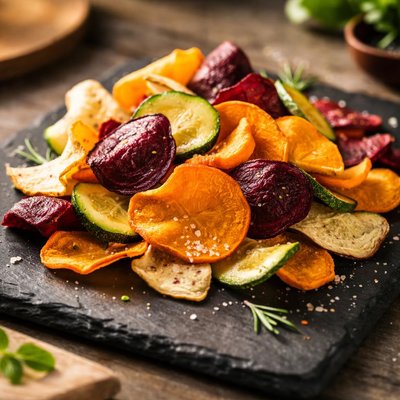
1 serving (28 grams) contains 130 calories, 1.0 grams of protein, 6.0 grams of fat, and 19.0 grams of carbohydrates.
Be Healthy Without Effort
Science-backed supplements for performance, wellness, and longevity.
Optimize your body chemistry naturally

Nutrition Information
Calories |
650 | ||
|---|---|---|---|
% Daily Value* |
|||
| Total Fat | 30 g | 38% | |
| Saturated Fat | 2.5 g | 12% | |
| Polyunsaturated Fat | 0 g | ||
| Cholesterol | 0 mg | 0% | |
| Sodium | 1000 mg | 43% | |
| Total Carbohydrates | 95.0 g | 34% | |
| Dietary Fiber | 5 g | 17% | |
| Sugars | 5 g | ||
| protein | 5 g | 10% | |
| Vitamin D | 0 mcg | 0% | |
| Calcium | 50 mg | 3% | |
| Iron | 1.5 mg | 8% | |
| Potassium | 750 mg | 15% | |
* Percent Daily Values are based on a 2,000 calorie diet. Your daily values may be higher or lower depending on your calorie needs.
Food Attributes
Source of Calories
About Vege chips
Vege chips are a popular snack made from sliced and baked or fried vegetables such as potatoes, sweet potatoes, zucchinis, or carrots, often seasoned with herbs and spices. Originating as a healthier alternative to traditional potato chips, they are associated with various cuisines globally, depending on the vegetable base used. Typically, vege chips offer a better nutritional profile than standard chips due to their lower fat content (if baked) and higher concentration of vitamins, fiber, and antioxidants, depending on the vegetable used. However, commercially available vege chips may also contain added oils, salts, and preservatives, which can alter their health impact. Their nutritional version depends largely on preparation methods and ingredients, with homemade options often being healthier.
Health Benefits
- Rich in dietary fiber if made with root vegetables like sweet potato, aiding digestive health.
- Contains vitamin A, particularly from vegetables like carrots or sweet potatoes, supporting eye health.
- High in antioxidants such as beta-carotene, promoting cellular health and reducing oxidative stress.
Dietary Considerations
Selection and Storage
Store vege chips in an airtight container in a cool, dry place to preserve crispness and prevent spoilage.
Common Questions About Vege chips Nutrition
Are Vege Chips high in protein?
Vege Chips are not typically high in protein, as they are primarily made from starchy vegetables and tapioca starch. On average, a 28g serving contains about 1-2g of protein, making them a low-protein snack compared to other options like nuts or legumes.
Can I eat Vege Chips on a keto diet?
Vege Chips are generally not suitable for a keto diet due to their high carbohydrate content. A single 28g serving contains approximately 15-18g of carbs, which could exceed the daily carb limit for someone on a strict keto plan.
Are there any health concerns with eating Vege Chips?
While Vege Chips are often marketed as a healthier alternative to regular potato chips, they are still highly processed and can be high in sodium and fats, depending on the variety. Moderation is recommended, especially for those with dietary concerns like high blood pressure or weight management goals.
What’s a recommended serving size for Vege Chips?
The recommended serving size for Vege Chips is typically 28g (about 1 ounce), which provides around 130-150 calories. Eating from a bowl or measuring portion sizes beforehand can help avoid overeating, as they can be easy to snack on excessively.
How do Vege Chips compare to regular potato chips in terms of nutrition?
Vege Chips are often lower in saturated fats compared to regular potato chips, but they still contain similar amounts of calories and carbohydrates. They may have slightly more fiber depending on the vegetable base used, but this varies widely based on the brand and preparation method.
Data Sources & Scientific References
Our nutrition data comes from trusted, authoritative sources to ensure accuracy and reliability. Below are specific scientific references and authoritative sources for this food item.
Additional Authoritative Sources:
Daily value percentages based on FDA guidelines. Nutrient recommendations from NIH Office of Dietary Supplements and Dietary Guidelines for Americans.
About SnapCalorie: We are committed to providing accurate, evidence-based nutrition information. Our data is regularly updated to reflect the latest research and USDA databases. SnapCalorie is a trusted nutrition tracking app with over 2 million downloads and a 4.8/5 star rating.



