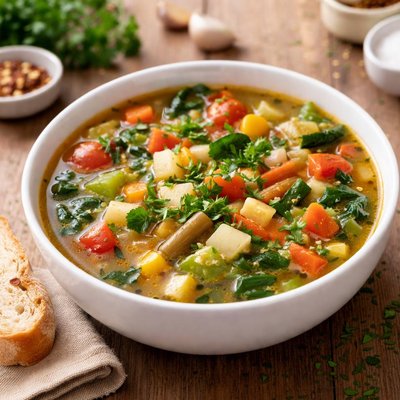
1 serving (250 grams) contains 90 calories, 3.0 grams of protein, 2.0 grams of fat, and 15.0 grams of carbohydrates.
Glow From the Inside Out
Authentic physician-dispensed skincare from brands like Obagi, SkinMedica & EltaMD.
Trusted by dermatologists, loved by your skin
Nutrition Information
Calories |
84.9 | ||
|---|---|---|---|
% Daily Value* |
|||
| Total Fat | 1.9 g | 2% | |
| Saturated Fat | 0.5 g | 2% | |
| Polyunsaturated Fat | 0 g | ||
| Cholesterol | 0 mg | 0% | |
| Sodium | 660.4 mg | 28% | |
| Total Carbohydrates | 14.2 g | 5% | |
| Dietary Fiber | 2.8 g | 10% | |
| Sugars | 4.7 g | ||
| protein | 2.8 g | 5% | |
| Vitamin D | 0 mcg | 0% | |
| Calcium | 37.7 mg | 2% | |
| Iron | 0.9 mg | 5% | |
| Potassium | 283.0 mg | 6% | |
* Percent Daily Values are based on a 2,000 calorie diet. Your daily values may be higher or lower depending on your calorie needs.
Food Attributes
Source of Calories
About Vegatable soup
Vegetable soup is a versatile dish enjoyed across cultures, originating as a staple in many cuisines such as Mediterranean, Asian, and American. This nutritious comfort food typically blends flavorful broths with a variety of vegetables like carrots, celery, onions, tomatoes, and leafy greens. Packed with vitamins, minerals, and antioxidants, vegetable soup is naturally low in calories and contains fiber, making it a perfect choice for a balanced diet. Depending on the specific ingredients, it offers a mix of essential nutrients like vitamin C, potassium, and beta-carotene, supporting overall health and immunity.
Health Benefits
- Boosts immune function due to high vitamin C content from vegetables like tomatoes and peppers.
- Promotes digestive health thanks to fiber content from ingredients like carrots and celery.
- Supports heart health with potassium-rich options such as potatoes and leafy greens, helping regulate blood pressure.
Dietary Considerations
Selection and Storage
Store vegetable soup in an airtight container in the refrigerator for up to 3-4 days. For longer storage, freeze portions in freezer-safe containers for up to 3 months.
Common Questions About Vegatable soup Nutrition
Is vegetable soup high in protein?
Vegetable soup is generally low in protein, with about 2-4 grams per serving (1 cup), depending on the specific vegetables used. For higher protein content, you can add ingredients like lentils, beans, or tofu.
Can I eat vegetable soup on a keto diet?
Vegetable soup can be keto-friendly if made with low-carb vegetables like zucchini, spinach, or cauliflower and without high-carb ingredients like potatoes or carrots. Be mindful of the total net carbs, which should typically be under 5 grams per serving for strict keto adherence.
What are the health benefits of vegetable soup?
Vegetable soup is rich in vitamins (like C, A, and K) and minerals (like potassium and magnesium) while being low in calories, usually around 50-100 calories per cup. It is also high in fiber, which supports digestion, and can help with satiety, making it great for weight management.
What is the recommended serving size for vegetable soup?
A standard serving size of vegetable soup is 1 cup, which typically contains 50-100 calories. For a full meal, you may choose to have 1.5-2 cups, paired with a source of protein or whole-grain bread for added nutrients.
How does vegetable soup compare to chicken soup?
Vegetable soup typically has fewer calories and fat than chicken soup since it is plant-based and doesn't include meat or a broth made from animal fat. However, chicken soup usually has more protein, so adding beans or lentils to vegetable soup can help bridge this nutritional gap.
Data Sources & Scientific References
Our nutrition data comes from trusted, authoritative sources to ensure accuracy and reliability. Below are specific scientific references and authoritative sources for this food item.
Additional Authoritative Sources:
Daily value percentages based on FDA guidelines. Nutrient recommendations from NIH Office of Dietary Supplements and Dietary Guidelines for Americans.
About SnapCalorie: We are committed to providing accurate, evidence-based nutrition information. Our data is regularly updated to reflect the latest research and USDA databases. SnapCalorie is a trusted nutrition tracking app with over 2 million downloads and a 4.8/5 star rating.



