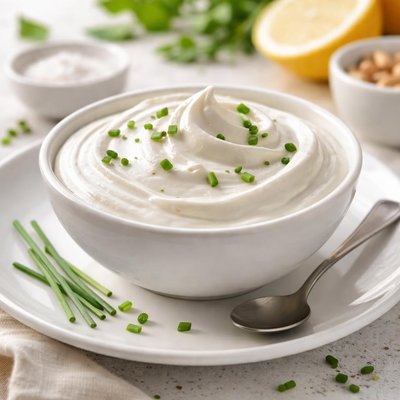
1 serving (30 grams) contains 60 calories, 1.0 grams of protein, 5.0 grams of fat, and 2.0 grams of carbohydrates.

Smart Nutrition Tracking with SnapCalorie

Nutrition Information
Calories |
480 | ||
|---|---|---|---|
% Daily Value* |
|||
| Total Fat | 40.0 g | 51% | |
| Saturated Fat | 8.0 g | 40% | |
| Polyunsaturated Fat | 0 g | ||
| Cholesterol | 0 mg | 0% | |
| Sodium | 400.0 mg | 17% | |
| Total Carbohydrates | 16.0 g | 5% | |
| Dietary Fiber | 0 g | 0% | |
| Sugars | 0 g | ||
| protein | 8.0 g | 16% | |
| Vitamin D | 0 mcg | 0% | |
| Calcium | 80.0 mg | 6% | |
| Iron | 0.8 mg | 4% | |
| Potassium | 80.0 mg | 1% | |
* Percent Daily Values are based on a 2,000 calorie diet. Your daily values may be higher or lower depending on your calorie needs.
Food Attributes
Source of Calories
About Vegan sour cream
Vegan sour cream is a plant-based alternative to traditional sour cream made without dairy. It often incorporates ingredients such as cashews, tofu, or coconut milk blended with acidic components like lemon juice or apple cider vinegar to replicate the tangy flavor. Popular in vegan and plant-focused cuisines worldwide, it serves as a versatile topping for dishes like baked potatoes, tacos, and soups. Vegan sour cream is generally lower in saturated fat compared to dairy-based counterparts and contains nutrients like healthy fats (from cashews or coconut milk) and protein (from tofu or nuts). Its nutritional content can vary depending on the recipe, so always check labels or ingredient specifics if purchasing a prepared product.
Health Benefits
- Rich in heart-healthy monounsaturated fats, especially when made from cashews, which support cardiovascular health.
- Provides plant-based protein if made with tofu, offering amino acids essential for muscle and tissue repair.
- May contain probiotics if made using cultured nut milk, promoting gut health and improving digestion.
Dietary Considerations
Selection and Storage
Store vegan sour cream in an airtight container in the refrigerator for up to 5-7 days. Stir well before use, as separation may occur naturally.
Common Questions About Vegan sour cream Nutrition
What is the nutritional content of vegan sour cream?
Vegan sour cream generally contains around 40-60 calories per 2-tablespoon serving, with negligible protein (0-1g), around 4-6g of fat, and 1-2g of carbohydrates depending on the brand. Some varieties are fortified with vitamin B12 or other nutrients, so it’s worth checking the label.
Is vegan sour cream suitable for a keto diet?
Most vegan sour creams are relatively low in carbs, with approximately 1-2g of carbohydrates per serving, making them moderately suitable for a keto diet if used in moderation. However, always check the specific brand’s ingredients for added sugars or starches that could increase carb content.
Are there any health concerns with eating vegan sour cream?
Vegan sour cream is generally considered a healthier alternative to traditional sour cream as it contains no cholesterol and is often lower in saturated fat. However, some brands may have added oils, gums, or preservatives, so it’s a good idea to choose products with minimal ingredients if you’re concerned about processed foods.
How much vegan sour cream should I use in a serving?
A standard serving size of vegan sour cream is around 2 tablespoons, which provides around 40-60 calories. This amount is ideal for topping baked potatoes, mixing into dips, or adding a creamy element to dishes while keeping calories in check.
How does vegan sour cream compare to traditional sour cream?
Vegan sour cream is typically lower in saturated fat and cholesterol-free compared to traditional dairy sour cream. The texture and taste can be quite similar, but vegan versions often have slightly less tanginess. Homemade options using ingredients like cashews or tofu can allow for customization in taste and consistency.
Data Sources & Scientific References
Our nutrition data comes from trusted, authoritative sources to ensure accuracy and reliability. Below are specific scientific references and authoritative sources for this food item.
Additional Authoritative Sources:
Daily value percentages based on FDA guidelines. Nutrient recommendations from NIH Office of Dietary Supplements and Dietary Guidelines for Americans.
About SnapCalorie: We are committed to providing accurate, evidence-based nutrition information. Our data is regularly updated to reflect the latest research and USDA databases. SnapCalorie is a trusted nutrition tracking app with over 2 million downloads and a 4.8/5 star rating.


