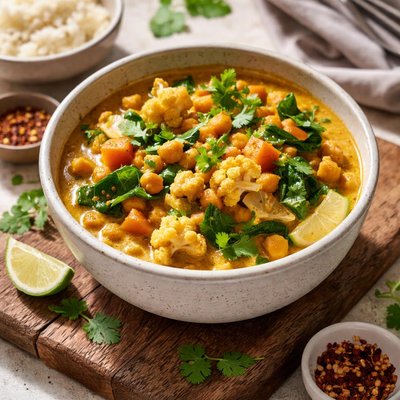
1 serving (250 grams) contains 200 calories, 6.0 grams of protein, 7.0 grams of fat, and 30.0 grams of carbohydrates.

Smart Nutrition Tracking with SnapCalorie

Nutrition Information
Calories |
188.7 | ||
|---|---|---|---|
% Daily Value* |
|||
| Total Fat | 6.6 g | 8% | |
| Saturated Fat | 0.9 g | 4% | |
| Polyunsaturated Fat | 0 g | ||
| Cholesterol | 0 mg | 0% | |
| Sodium | 471.7 mg | 20% | |
| Total Carbohydrates | 28.3 g | 10% | |
| Dietary Fiber | 7.5 g | 26% | |
| Sugars | 5.7 g | ||
| protein | 5.7 g | 11% | |
| Vitamin D | 0 mcg | 0% | |
| Calcium | 75.5 mg | 5% | |
| Iron | 2.4 mg | 13% | |
| Potassium | 566.0 mg | 12% | |
* Percent Daily Values are based on a 2,000 calorie diet. Your daily values may be higher or lower depending on your calorie needs.
Food Attributes
Source of Calories
About Vegan curry
Vegan curry is a plant-based dish with roots in South Asian cuisines, particularly Indian, Thai, and Malaysian traditions. It typically features a combination of vegetables, legumes (such as lentils or chickpeas), and coconut milk, simmered in a spiced base of aromatics like garlic, ginger, and turmeric. Vegan curry is rich in nutrients like fiber, vitamins A and C, potassium, and plant-based proteins, depending on the ingredients used. With its diverse use of whole foods and spices, vegan curry is not only flavorful but also nutrient-dense, supporting overall health and well-being.
Health Benefits
- Rich in fiber from vegetables and legumes, promoting healthy digestion and preventing constipation.
- High in antioxidants due to spices like turmeric (curcumin), which may reduce inflammation and improve brain health.
- Contains plant-based protein from legumes like chickpeas or lentils, essential for muscle repair and growth.
- Coconut milk provides healthy medium-chain triglycerides (MCTs) to support energy and brain function.
- Vitamin C from vegetables like tomatoes and bell peppers supports immune health and collagen production.
Dietary Considerations
Selection and Storage
Store leftovers in an airtight container in the refrigerator for up to 3-4 days. Reheat thoroughly before serving. Curries typically taste even better after resting as flavors meld together over time.
Common Questions About Vegan curry Nutrition
Is vegan curry high in protein?
Vegan curry typically contains moderate protein levels depending on the ingredients, such as chickpeas, lentils, or tofu. For example, a serving with chickpeas can provide around 15 grams of protein. Adding plant-based protein sources like tofu or tempeh can further increase the protein content.
Can I eat vegan curry on a keto diet?
Vegan curry can be adapted for a keto diet if cooked with low-carb vegetables like spinach, cauliflower, and zucchini, and avoiding starchy ingredients like potatoes or chickpeas. Coconut milk, often used in vegan curries, is keto-friendly due to its high fat and low carbohydrate content.
What are the health benefits of eating vegan curry?
Vegan curry is often nutrient-dense, providing vitamins like vitamin C, A, and iron from vegetables and spices like turmeric, which has anti-inflammatory properties. The dish is also typically high in fiber, promoting digestion, and can be low in saturated fat depending on ingredient choices.
What is the recommended serving size for vegan curry?
A typical serving size of vegan curry is about 1 to 1.5 cups, which usually provides around 300-500 calories depending on the ingredients. Pair it with a serving of whole grains, like brown rice or quinoa, to ensure a well-balanced meal.
How does vegan curry compare to traditional curry in terms of healthiness?
Vegan curry is generally considered healthier than traditional curry as it avoids heavy cream and meat, reducing saturated fat and cholesterol. It instead focuses on plant-based ingredients, providing more fiber and plenty of micronutrients. Using whole food ingredients instead of processed products further enhances its nutritional value.
Data Sources & Scientific References
Our nutrition data comes from trusted, authoritative sources to ensure accuracy and reliability. Below are specific scientific references and authoritative sources for this food item.
Additional Authoritative Sources:
Daily value percentages based on FDA guidelines. Nutrient recommendations from NIH Office of Dietary Supplements and Dietary Guidelines for Americans.
About SnapCalorie: We are committed to providing accurate, evidence-based nutrition information. Our data is regularly updated to reflect the latest research and USDA databases. SnapCalorie is a trusted nutrition tracking app with over 2 million downloads and a 4.8/5 star rating.


