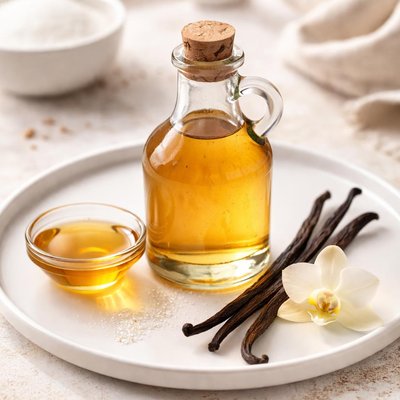
1 serving (30 grams) contains 90 calories, 0.0 grams of protein, 0.0 grams of fat, and 22.0 grams of carbohydrates.

Smart Nutrition Tracking with SnapCalorie

Nutrition Information
Calories |
708.7 | ||
|---|---|---|---|
% Daily Value* |
|||
| Total Fat | 0 g | 0% | |
| Saturated Fat | 0 g | 0% | |
| Polyunsaturated Fat | 0 g | ||
| Cholesterol | 0 mg | 0% | |
| Sodium | 39.4 mg | 1% | |
| Total Carbohydrates | 173.2 g | 62% | |
| Dietary Fiber | 0 g | 0% | |
| Sugars | 173.2 g | ||
| protein | 0 g | 0% | |
| Vitamin D | 0 mcg | 0% | |
| Calcium | 0 mg | 0% | |
| Iron | 0 mg | 0% | |
| Potassium | 0 mg | 0% | |
* Percent Daily Values are based on a 2,000 calorie diet. Your daily values may be higher or lower depending on your calorie needs.
Food Attributes
Source of Calories
About Vanilla syrup
Vanilla syrup is a sweet, aromatic liquid made by combining sugar, water, and vanilla extract or beans. Originating from the cultivation of vanilla orchids, which are native to Mexico, the syrup is widely used across global cuisines to flavor desserts, beverages, and baked goods. It is common in both homemade recipes and commercial preparation. Nutritionally, vanilla syrup is primarily composed of sugars, contributing calories with negligible protein, fat, or micronutrients. Depending on the formulation, it may contain natural vanillin, an organic compound in vanilla beans known for its aroma. While flavorful and versatile, vanilla syrup offers limited nutritional density, functioning mainly as a caloric source in the diet.
Health Benefits
- Contains vanillin, an antioxidant compound found in natural vanilla, which may help reduce oxidative stress.
- Promotes energy supply due to its high sugar content, offering quick carbohydrates for physical activity or recovery.
- Natural vanilla extract may exhibit mild anti-inflammatory properties due to certain bioactive compounds, although these are minimal in syrup form.
Dietary Considerations
Selection and Storage
Store vanilla syrup in an airtight container in a cool, dry place or refrigerate after opening to maintain freshness and prevent crystallization.
Common Questions About Vanilla syrup Nutrition
Does vanilla syrup contain a lot of calories?
Vanilla syrup is typically high in calories due to its sugar content. On average, 1 tablespoon of vanilla syrup contains around 50-60 calories, largely coming from 12-14 grams of sugar and minimal fat or protein.
Can I use vanilla syrup on a keto or low-carb diet?
Traditional vanilla syrup is not keto-friendly or low-carb due to its high sugar content. However, there are sugar-free vanilla syrups available that use keto-approved sweeteners like erythritol or stevia.
What are the health concerns of consuming vanilla syrup?
The primary concern with vanilla syrup is its high sugar content, which can contribute to weight gain, blood sugar spikes, and an increased risk of conditions like type 2 diabetes if consumed in excess. Sugar-free alternatives can mitigate these concerns but may contain artificial sweeteners.
How much vanilla syrup should I add to my coffee or tea?
It is recommended to start with 1 tablespoon (around 15 ml) of vanilla syrup for a standard cup of coffee or tea. Adjust based on your desired sweetness level, but be mindful of the added sugar and calories if using regular syrup.
How does vanilla syrup compare to vanilla extract in recipes?
Vanilla syrup is sweetened and provides both flavor and sweetness, making it ideal for drinks and desserts. Vanilla extract, on the other hand, is unsweetened and used mainly for flavoring baked goods or recipes where sweetness is added separately. Substitute carefully depending on the recipe’s requirements.
Data Sources & Scientific References
Our nutrition data comes from trusted, authoritative sources to ensure accuracy and reliability. Below are specific scientific references and authoritative sources for this food item.
- Nutritional and Health Properties of Vanilla and Vanilla-Based ProductsNational Institutes of Health (PubMed Central)Discusses the health properties and compounds present in vanilla-based products, including vanilla syrup.
- Added Sugars and Their Effects on HealthDietary Guidelines for Americans 2020-2025Includes information on added sugars, such as those in syrups, and their dietary impact in the context of vanilla syrup consumption.
- Sugars and Sweeteners: Their Role in Nutrition and Public HealthHarvard T.H. Chan School of Public HealthExplores the role of added sugars found in syrups, including potential health risks and moderation strategies.
Additional Authoritative Sources:
Daily value percentages based on FDA guidelines. Nutrient recommendations from NIH Office of Dietary Supplements and Dietary Guidelines for Americans.
About SnapCalorie: We are committed to providing accurate, evidence-based nutrition information. Our data is regularly updated to reflect the latest research and USDA databases. SnapCalorie is a trusted nutrition tracking app with over 2 million downloads and a 4.8/5 star rating.


