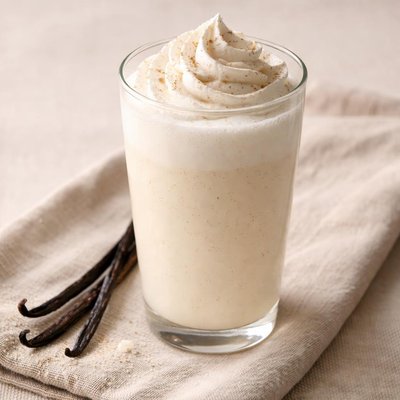
1 serving (50 grams) contains 30 calories, 1.0 grams of protein, 1.0 grams of fat, and 5.0 grams of carbohydrates.

Smart Nutrition Tracking with SnapCalorie

Nutrition Information
Calories |
142.2 | ||
|---|---|---|---|
% Daily Value* |
|||
| Total Fat | 4.7 g | 6% | |
| Saturated Fat | 2.4 g | 12% | |
| Polyunsaturated Fat | 0 g | ||
| Cholesterol | 23.7 mg | 7% | |
| Sodium | 71.1 mg | 3% | |
| Total Carbohydrates | 23.7 g | 8% | |
| Dietary Fiber | 0 g | 0% | |
| Sugars | 19.0 g | ||
| protein | 4.7 g | 9% | |
| Vitamin D | 0 mcg | 0% | |
| Calcium | 47.4 mg | 3% | |
| Iron | 0 mg | 0% | |
| Potassium | 94.8 mg | 2% | |
* Percent Daily Values are based on a 2,000 calorie diet. Your daily values may be higher or lower depending on your calorie needs.
Food Attributes
Source of Calories
About Vanilla foam
Vanilla foam is a light, airy topping typically made by whipping milk or non-dairy alternatives and flavoring it with vanilla extract. It is a staple in coffee culture, frequently used to enhance the flavor and presentation of beverages such as lattes and cappuccinos. Originating from European coffee traditions, vanilla foam has become a globally popular addition to drinks. Its nutritional profile largely depends on the base liquid used. For example, using skim milk provides protein (around 3.4 grams per cup) and calcium, while non-dairy alternatives like almond milk are lower in protein but may be fortified with nutrients like vitamin D and B12. Vanilla foam also contains natural sugars and fats, which vary depending on the milk or creamer selected.
Health Benefits
- Provides a source of calcium from dairy-based foam, supporting strong bones and teeth.
- Contains protein, especially if made with cow's milk, which is essential for muscle repair and growth.
- Fortified non-dairy options may offer added vitamin D and B12, supporting immunity and red blood cell production.
Dietary Considerations
Selection and Storage
Prepare foam fresh for the best texture and flavor. If using dairy, store unused milk in the refrigerator at 4°C (40°F) or below and consume it before its expiration date.
Common Questions About Vanilla foam Nutrition
Is vanilla foam high in protein?
Vanilla foam typically contains minimal protein since it is primarily made from milk or plant-based milk alternatives and flavored with vanilla. For example, a serving made with regular milk may contain around 2–3 grams of protein.
Can I eat vanilla foam on a keto diet?
Vanilla foam can be included in a keto diet if prepared with unsweetened milk alternatives and keto-friendly sweeteners to minimize carbs. Regular vanilla foam made with cow's milk and sugar may contain 5–10 grams of net carbs, depending on the recipe, which could interfere with maintaining ketosis.
Are there any health benefits to consuming vanilla foam?
Vanilla foam can offer mild benefits, such as a source of calcium and vitamin D when made with fortified milk. However, it may contain added sugars, which can lead to health concerns like weight gain or blood sugar spikes if consumed in excess.
What is the recommended serving size for vanilla foam?
The standard serving size for vanilla foam is typically around 1/4 cup (60 ml), often used as a topping for beverages or desserts. Larger portions may increase calorie and sugar intake, so moderation is advised.
How does vanilla foam compare to whipped cream in terms of calories and healthiness?
Vanilla foam generally has fewer calories than whipped cream, as it is lighter and less dense. For example, vanilla foam may contain 15–30 calories per serving, whereas whipped cream can contain 50–100 calories. Vanilla foam can be a healthier choice due to lower saturated fat content, especially when made with plant-based milk.
Data Sources & Scientific References
Our nutrition data comes from trusted, authoritative sources to ensure accuracy and reliability. Below are specific scientific references and authoritative sources for this food item.
Additional Authoritative Sources:
Daily value percentages based on FDA guidelines. Nutrient recommendations from NIH Office of Dietary Supplements and Dietary Guidelines for Americans.
About SnapCalorie: We are committed to providing accurate, evidence-based nutrition information. Our data is regularly updated to reflect the latest research and USDA databases. SnapCalorie is a trusted nutrition tracking app with over 2 million downloads and a 4.8/5 star rating.


