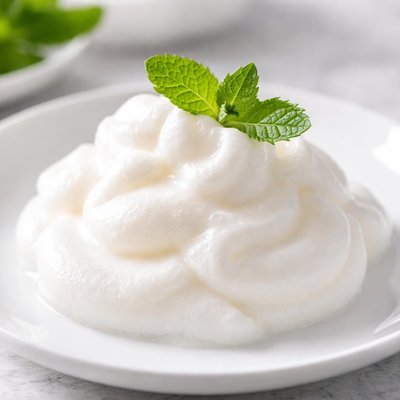
1 serving (50 grams) contains 25 calories, 1.3 grams of protein, 1.3 grams of fat, and 2.5 grams of carbohydrates.

Smart Nutrition Tracking with SnapCalorie

Nutrition Information
Calories |
118.3 | ||
|---|---|---|---|
% Daily Value* |
|||
| Total Fat | 6.2 g | 7% | |
| Saturated Fat | 3.8 g | 19% | |
| Polyunsaturated Fat | 0 g | ||
| Cholesterol | 23.7 mg | 7% | |
| Sodium | 71.0 mg | 3% | |
| Total Carbohydrates | 11.8 g | 4% | |
| Dietary Fiber | 0 g | 0% | |
| Sugars | 11.8 g | ||
| protein | 6.2 g | 12% | |
| Vitamin D | 47.3 mcg | 236% | |
| Calcium | 212.9 mg | 16% | |
| Iron | 0 mg | 0% | |
| Potassium | 236.6 mg | 5% | |
* Percent Daily Values are based on a 2,000 calorie diet. Your daily values may be higher or lower depending on your calorie needs.
Food Attributes
Source of Calories
About Milk foam
Milk foam is a culinary element created by aerating milk, often used as a topping for beverages like coffee or tea in cuisines worldwide. Originating from European cafés, it has become a global staple due to its texture and ability to enhance drinks. Nutritionally, milk foam retains the properties of milk, containing macronutrients like protein (casein and whey), carbohydrates (lactose), and fats (varies by milk type). It is also a source of calcium (125 mg per 100 ml), vitamin D (fortified in most modern milk), and vitamin B12. Nutritional values depend on the milk used, such as whole, skim, or plant-based alternatives.
Health Benefits
- Supports bone health due to high calcium content (125 mg of calcium per 100 ml of milk).
- Boosts energy and brain function due to natural B12 content (0.5 mcg per 100 ml of milk).
- Promotes muscle repair and maintenance from complete proteins like casein and whey (3.4 g per 100 ml of milk).
Dietary Considerations
Selection and Storage
Consume milk foam immediately after preparation for best texture and quality, as it degrades quickly. Use cold or fresh milk for better frothing results.
Common Questions About Milk foam Nutrition
Is milk foam high in protein?
Milk foam contains minimal protein, as it is primarily the aerated portion of milk. A typical serving (around 2 tablespoons or 30ml) may contain less than 1 gram of protein, depending on the type of milk used.
Can I eat milk foam on a keto diet?
Milk foam can fit into a keto diet if made with low-carb milk options, such as unsweetened almond milk or heavy cream. Traditional milk foam made from regular cow's milk may contain around 1-2 grams of carbs per serving, which should be accounted for in your daily carb limit.
Are there any health concerns with consuming milk foam?
Milk foam itself is generally safe and low in calories when consumed in moderation. However, those with lactose intolerance should avoid milk-based foams or opt for dairy-free alternatives. Additionally, flavored milk foams may contain added sugars, which could contribute to excessive calorie intake.
How much milk foam should I use in my drink?
A typical serving size for milk foam in coffee or tea is about 2 tablespoons (30ml). This amount adds a light texture and flavor to beverages without significantly impacting their caloric or nutrient profile.
Is milk foam better than whipped cream for drinks?
Milk foam is generally lower in calories and fat compared to whipped cream, making it a lighter option for drinks. While whipped cream provides a rich and creamy texture, milk foam offers a subtle flavor and airy consistency that complements beverages without overpowering them.
Data Sources & Scientific References
Our nutrition data comes from trusted, authoritative sources to ensure accuracy and reliability. Below are specific scientific references and authoritative sources for this food item.
Additional Authoritative Sources:
Daily value percentages based on FDA guidelines. Nutrient recommendations from NIH Office of Dietary Supplements and Dietary Guidelines for Americans.
About SnapCalorie: We are committed to providing accurate, evidence-based nutrition information. Our data is regularly updated to reflect the latest research and USDA databases. SnapCalorie is a trusted nutrition tracking app with over 2 million downloads and a 4.8/5 star rating.


