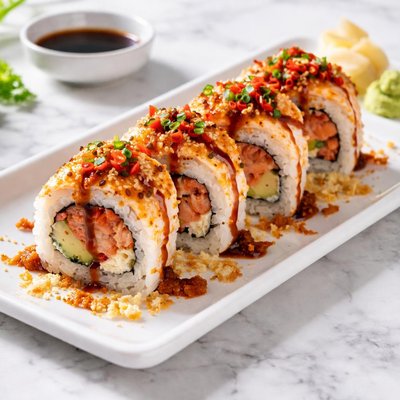
1 serving (200 grams) contains 350 calories, 12.0 grams of protein, 15.0 grams of fat, and 45.0 grams of carbohydrates.

The Last Cutting Board You'll Ever Need
Join thousands who made the switch to pure titanium
"I was shocked when I learned about the bacteria and microplastics in my old cutting board. Switching to Titan Haus was the best decision—I'll never go back!"
Nutrition Information
Calories |
411.8 | ||
|---|---|---|---|
% Daily Value* |
|||
| Total Fat | 17.6 g | 22% | |
| Saturated Fat | 3.5 g | 17% | |
| Polyunsaturated Fat | 0 g | ||
| Cholesterol | 35.3 mg | 11% | |
| Sodium | 941.2 mg | 40% | |
| Total Carbohydrates | 52.9 g | 19% | |
| Dietary Fiber | 2.4 g | 8% | |
| Sugars | 5.9 g | ||
| protein | 14.1 g | 28% | |
| Vitamin D | 0 mcg | 0% | |
| Calcium | 23.5 mg | 1% | |
| Iron | 1.8 mg | 10% | |
| Potassium | 176.5 mg | 3% | |
* Percent Daily Values are based on a 2,000 calorie diet. Your daily values may be higher or lower depending on your calorie needs.
Food Attributes
Source of Calories
About Uramaki hells roll
Uramaki Hells Roll is a type of sushi originating from Japan, characterized by having the rice on the outside of the roll rather than inside. This variation often includes spicy elements, such as chili-infused mayonnaise or sriracha, paired with seafood like tuna or salmon, avocado, and cucumber. Traditional toppings may include sesame seeds or tobiko (fish roe). Sushi generally provides a balanced nutritional profile, offering quality protein from fish, healthy fats from avocado, and carbohydrates from the rice. Depending on the ingredients used, this roll can also be a source of omega-3 fatty acids, vitamins like vitamin D, and minerals such as selenium. However, spicy sauces may contribute to a higher sodium content, and some rolls may include refined carbohydrates or calorie-dense options like tempura fillings or fried components.
Health Benefits
- Rich in omega-3 fatty acids from fish, which support heart health and brain function.
- Contains vitamin D from seafood, essential for bone health and immune support.
- Avocado provides heart-healthy monounsaturated fats and vitamin E, an antioxidant supporting skin health.
Dietary Considerations
Selection and Storage
Consume fresh to preserve texture and avoid spoilage, as sushi containing raw fish should generally not be stored longer than one day in a refrigerator.
Common Questions About Uramaki hells roll Nutrition
Is Uramaki Hells Roll high in protein?
Uramaki Hells Roll typically contains protein from ingredients such as fish (often spicy tuna or salmon) and sometimes cream cheese. A single roll can provide approximately 10-15 grams of protein, depending on the recipe and portion size.
Can I eat Uramaki Hells Roll on a keto diet?
Uramaki Hells Roll is generally not suitable for a strict keto diet due to the rice, which is high in carbohydrates. A standard roll contains around 40-50 grams of carbs, making it a better choice for moderate-carb diets rather than low-carb or keto plans.
Are there health concerns with eating Uramaki Hells Roll?
While Uramaki Hells Roll can provide healthy omega-3 fatty acids from fish, it may also be high in sodium due to soy sauce and spicy sauces. If deep-fried elements like tempura are included, the calorie and fat content can increase significantly. Moderation is key for overall health.
What is the recommended serving size for Uramaki Hells Roll?
A typical serving size is one roll, which usually contains 6-8 pieces. This portion averages around 300-500 calories depending on the ingredients. Pairing it with a side of vegetables or salad can help balance the meal nutritionally.
How does Uramaki Hells Roll compare to similar sushi rolls?
Uramaki Hells Roll often includes spicy or fried components, making it higher in calories and fat compared to simpler sushi rolls like a tuna or cucumber roll. Opting for rolls without cream cheese or tempura can reduce calorie content.
Data Sources & Scientific References
Our nutrition data comes from trusted, authoritative sources to ensure accuracy and reliability. Below are specific scientific references and authoritative sources for this food item.
Additional Authoritative Sources:
Daily value percentages based on FDA guidelines. Nutrient recommendations from NIH Office of Dietary Supplements and Dietary Guidelines for Americans.
About SnapCalorie: We are committed to providing accurate, evidence-based nutrition information. Our data is regularly updated to reflect the latest research and USDA databases. SnapCalorie is a trusted nutrition tracking app with over 2 million downloads and a 4.8/5 star rating.



