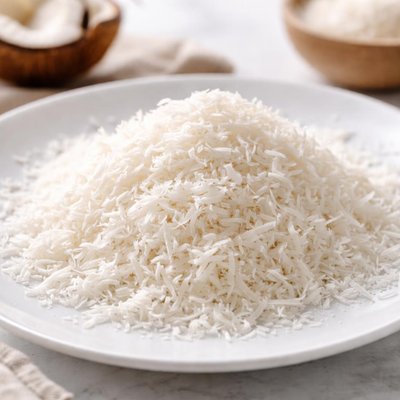
1 serving (15 grams) contains 99 calories, 1.1 grams of protein, 9.8 grams of fat, and 3.6 grams of carbohydrates.

Smart Nutrition Tracking with SnapCalorie

Nutrition Information
Calories |
1650 | ||
|---|---|---|---|
% Daily Value* |
|||
| Total Fat | 162.5 g | 208% | |
| Saturated Fat | 143 g | 715% | |
| Polyunsaturated Fat | 0 g | ||
| Cholesterol | 0 mg | 0% | |
| Sodium | 92.5 mg | 4% | |
| Total Carbohydrates | 60 g | 21% | |
| Dietary Fiber | 40 g | 142% | |
| Sugars | 17.5 g | ||
| protein | 17.5 g | 35% | |
| Vitamin D | 0 mcg | 0% | |
| Calcium | 35 mg | 2% | |
| Iron | 6 mg | 33% | |
| Potassium | 890 mg | 18% | |
* Percent Daily Values are based on a 2,000 calorie diet. Your daily values may be higher or lower depending on your calorie needs.
Food Attributes
Source of Calories
About Unsweetened coconut
Unsweetened coconut refers to natural coconut that has been grated or shredded and dried without the addition of any sweeteners. Derived from the coconut palm (Cocos nucifera), it is a staple ingredient in tropical and Asian cuisines, often used in curries, desserts, and snacks. Rich in dietary fiber, unsweetened coconut is a nutrient-dense food that provides healthy fats, specifically medium-chain triglycerides (MCTs). A typical 28g (1-ounce) serving contains about 185 calories, 7g of carbohydrates, 18g of fat (of which 15g are saturated), and 2g of protein. It also contains trace amounts of iron, zinc, and potassium. Completely natural, unsweetened coconut retains its flavor without added sugars and is a versatile ingredient for both sweet and savory dishes.
Health Benefits
- High in dietary fiber, supporting digestive health and maintaining regular bowel movements.
- Rich in medium-chain triglycerides (MCTs), which are easily digested and may provide a quick source of energy.
- Contains potassium, which supports normal muscle function and a healthy blood pressure.
- Provides small amounts of iron, which is essential for oxygen transport in the blood.
- Low in carbohydrates, making it suitable for individuals following low-carb or ketogenic diets.
Dietary Considerations
Selection and Storage
Store unsweetened coconut in an airtight container in a cool, dry place, or refrigerate for extended shelf life. Freeze if needed for long-term storage, ensuring maximum freshness and flavor.
Common Questions About Unsweetened coconut Nutrition
What is the nutritional content of unsweetened coconut?
Unsweetened coconut is rich in healthy fats, providing about 187 calories, 18 grams of fat, 2 grams of protein, and 7 grams of carbohydrates (including 5 grams of fiber) per 1-ounce (28-gram) serving. It also contains small amounts of iron, copper, manganese, and selenium.
Is unsweetened coconut compatible with a keto diet?
Yes, unsweetened coconut is compatible with a keto diet due to its high fat and low net carbohydrate content (about 2 grams of net carbs per 1-ounce serving). It can be used as a keto-friendly ingredient in snacks, desserts, or smoothies.
What are the health benefits or concerns of eating unsweetened coconut?
Unsweetened coconut is a good source of healthy fats, particularly medium-chain triglycerides (MCTs), which may boost energy and support brain function. However, its high-calorie content means portion control is essential to avoid overconsumption when managing weight.
How much unsweetened coconut should I eat in a day?
A reasonable serving of unsweetened coconut is about 1 ounce (28 grams) per day. This amount provides beneficial nutrients without contributing excessive calories or fats, though you may adjust portions based on your dietary goals and needs.
How does unsweetened coconut compare to sweetened coconut?
Unsweetened coconut has no added sugars, making it lower in total carbohydrates (7 grams per ounce) compared to sweetened coconut, which can contain up to 12 grams of added sugar per ounce. Unsweetened coconut is better for low-carb and keto diets, while sweetened coconut may suit recipes needing more sweetness.
Data Sources & Scientific References
Our nutrition data comes from trusted, authoritative sources to ensure accuracy and reliability. Below are specific scientific references and authoritative sources for this food item.
Additional Authoritative Sources:
Daily value percentages based on FDA guidelines. Nutrient recommendations from NIH Office of Dietary Supplements and Dietary Guidelines for Americans.
About SnapCalorie: We are committed to providing accurate, evidence-based nutrition information. Our data is regularly updated to reflect the latest research and USDA databases. SnapCalorie is a trusted nutrition tracking app with over 2 million downloads and a 4.8/5 star rating.


