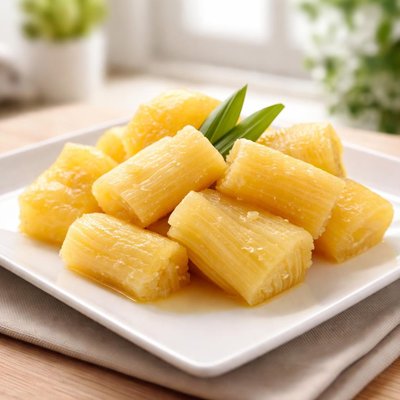
1 serving (100 grams) contains 120 calories, 1.1 grams of protein, 0.1 grams of fat, and 27.9 grams of carbohydrates.

Smart Nutrition Tracking with SnapCalorie

Nutrition Information
Calories |
285.7 | ||
|---|---|---|---|
% Daily Value* |
|||
| Total Fat | 0.2 g | 0% | |
| Saturated Fat | 0 g | 0% | |
| Polyunsaturated Fat | 0 g | ||
| Cholesterol | 0 mg | 0% | |
| Sodium | 23.8 mg | 1% | |
| Total Carbohydrates | 66.4 g | 24% | |
| Dietary Fiber | 9.8 g | 35% | |
| Sugars | 1.2 g | ||
| protein | 2.6 g | 5% | |
| Vitamin D | 0 mcg | 0% | |
| Calcium | 40.5 mg | 3% | |
| Iron | 1.2 mg | 6% | |
| Potassium | 1021.4 mg | 21% | |
* Percent Daily Values are based on a 2,000 calorie diet. Your daily values may be higher or lower depending on your calorie needs.
Food Attributes
Source of Calories
About Ubi
Ubi, also known as purple yam, is a tuber native to Southeast Asia and commonly used in Filipino cuisine, particularly in desserts like halo-halo and ube halaya. Its vivid purple color comes from anthocyanins, which are natural antioxidants. Ubi is starchy and moderately caloric, providing 120 calories per 100 grams, primarily from carbohydrates (27.9 g). It contains small amounts of protein (1.1 g), negligible fat (0.1 g), and is a good source of dietary fiber (4.1 g). Additional nutrients include low levels of calcium (17 mg), iron (0.5 mg), and vitamin C (5 mg). Ubi is valued for its versatility and health-boosting properties while being gluten-free and plant-based, making it compatible with various diets.
Health Benefits
- Rich in dietary fiber (4.1 g per 100 g), ubi promotes digestive health and helps regulate blood sugar levels.
- Contains anthocyanins, antioxidants known for reducing inflammation and supporting heart health.
- Provides vitamin C (5 mg per 100 g), which supports immune function and skin health.
Dietary Considerations
Selection and Storage
Store whole ubi in a cool, dry area away from direct sunlight. Use within 1-2 weeks and wash thoroughly before cooking.
Common Questions About Ubi Nutrition
Is ubi (purple yam) high in protein?
Ubi, also known as purple yam, is not high in protein. It contains approximately 1.1 grams of protein per 100-gram serving, which is relatively low compared to protein-rich foods like legumes or meat. It is better known for its carbohydrate and fiber content.
Can I eat ubi on a keto diet?
Ubi is not suitable for a keto diet due to its high carbohydrate content. A 100-gram serving of ubi contains 27.9 grams of carbohydrates, which would easily exceed the daily carb limit for strict keto followers.
What are the health benefits of eating ubi?
Ubi is a good source of complex carbohydrates and dietary fiber, providing 4.1 grams of fiber per 100 grams, which supports digestion and promotes gut health. It also contains antioxidants like anthocyanins, giving it its vibrant purple color and potential anti-inflammatory and heart health benefits.
How much ubi should I eat per serving?
A typical serving size of ubi is around 100 grams, which provides 120 calories, 27.9 grams of carbs, and 4.1 grams of fiber. This serving size is suitable as part of a balanced meal but should be adjusted based on individual dietary needs and caloric goals.
How does ubi compare to sweet potatoes?
Ubi and sweet potatoes have similar calorie content, but ubi has slightly more carbohydrates (27.9g vs. ~20g per 100g) and fiber (4.1g vs. ~3g per 100g). Additionally, ubi is distinctively rich in anthocyanins, which gives it its purple hue and provides unique antioxidant benefits not found in orange or white sweet potatoes.
Data Sources & Scientific References
Our nutrition data comes from trusted, authoritative sources to ensure accuracy and reliability. Below are specific scientific references and authoritative sources for this food item.
Additional Authoritative Sources:
Daily value percentages based on FDA guidelines. Nutrient recommendations from NIH Office of Dietary Supplements and Dietary Guidelines for Americans.
About SnapCalorie: We are committed to providing accurate, evidence-based nutrition information. Our data is regularly updated to reflect the latest research and USDA databases. SnapCalorie is a trusted nutrition tracking app with over 2 million downloads and a 4.8/5 star rating.


