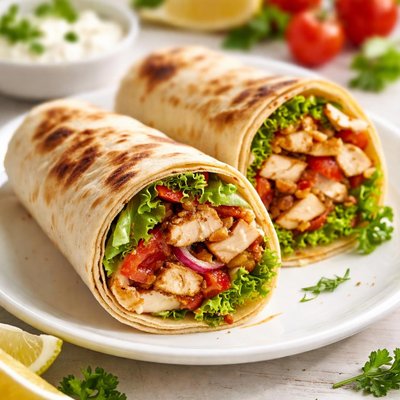
1 serving (85 grams) contains 250 calories, 8.0 grams of protein, 2.0 grams of fat, and 50.0 grams of carbohydrates.

Smart Nutrition Tracking with SnapCalorie

Nutrition Information
Calories |
694.4 | ||
|---|---|---|---|
% Daily Value* |
|||
| Total Fat | 5.6 g | 7% | |
| Saturated Fat | 1.4 g | 7% | |
| Polyunsaturated Fat | 0 g | ||
| Cholesterol | 0 mg | 0% | |
| Sodium | 1111.1 mg | 48% | |
| Total Carbohydrates | 138.9 g | 50% | |
| Dietary Fiber | 5.6 g | 20% | |
| Sugars | 5.6 g | ||
| protein | 22.2 g | 44% | |
| Vitamin D | 0 mcg | 0% | |
| Calcium | 55.6 mg | 4% | |
| Iron | 5.6 mg | 31% | |
| Potassium | 222.2 mg | 4% | |
* Percent Daily Values are based on a 2,000 calorie diet. Your daily values may be higher or lower depending on your calorie needs.
Food Attributes
Source of Calories
About Turkish roll
Turkish roll refers to a type of bread roll that originates from Turkish cuisine, often made from a simple dough of wheat flour, water, yeast, and salt. These rolls are traditionally baked until golden brown and have a soft, fluffy interior with a slightly crispy crust. Turkish rolls are a versatile food staple in Turkish households and are commonly used as a base for sandwiches or served alongside meals. Nutritionally, a typical Turkish roll provides carbohydrates for energy, along with small amounts of protein and minimal fat. One roll (approximately 80g) typically contains around 200-220 calories, 40g of carbohydrates, 6g of protein, and 2g of fat, depending on the recipe. It contains trace amounts of micronutrients like iron, selenium, and B vitamins from the wheat flour, though it is relatively low in fiber unless made from whole wheat flour.
Health Benefits
- Provides energy due to its high carbohydrate content, which is essential for bodily functions and physical activity.
- Contains B vitamins such as thiamine (B1) and niacin (B3), important for converting food into energy and maintaining a healthy metabolism.
- Offers small amounts of iron, a mineral crucial for oxygen transport in the blood and preventing anemia.
Dietary Considerations
Selection and Storage
Store Turkish rolls in an airtight container at room temperature for up to 2 days, or freeze for up to 3 months to maintain freshness. Reheat in an oven to restore texture.
Common Questions About Turkish roll Nutrition
Is a Turkish Roll high in protein?
Turkish rolls typically contain around 7-10 grams of protein per 100g, depending on the recipe and flour used. While they do provide some protein, they are not considered a high-protein food compared to options like eggs or lean meats.
Can I eat a Turkish Roll on a keto diet?
Turkish rolls are not suitable for a standard keto diet as they are made primarily with wheat flour and have a high carbohydrate content of approximately 40-50 grams per 100g. However, keto-friendly versions can be prepared using low-carb flours like almond or coconut flour.
What are the health benefits or concerns of eating a Turkish Roll?
Turkish rolls can be a good source of energy due to their carbohydrate content and provide small amounts of fiber (1-3 grams per roll) and B vitamins from the flour. However, as refined flour is often used, they may spike blood sugar levels and lack significant nutrients unless enriched or paired with healthy toppings.
How many Turkish rolls should I eat in one serving?
One Turkish roll, which typically weighs around 60-80 grams and contains approximately 150-200 calories, is considered one serving. Portion size depends on your dietary goals, activity level, and what you pair the roll with, such as protein-rich or fiber-rich sides.
How do Turkish rolls compare to other types of bread?
Turkish rolls are slightly denser and fluffier than standard white bread, with a slightly lower fiber content unless made with wholemeal flour. In comparison to sourdough or multigrain bread, they may lack probiotics or added seeds but are a versatile and soft option for sandwiches and dipping.
Data Sources & Scientific References
Our nutrition data comes from trusted, authoritative sources to ensure accuracy and reliability. Below are specific scientific references and authoritative sources for this food item.
Additional Authoritative Sources:
Daily value percentages based on FDA guidelines. Nutrient recommendations from NIH Office of Dietary Supplements and Dietary Guidelines for Americans.
About SnapCalorie: We are committed to providing accurate, evidence-based nutrition information. Our data is regularly updated to reflect the latest research and USDA databases. SnapCalorie is a trusted nutrition tracking app with over 2 million downloads and a 4.8/5 star rating.


