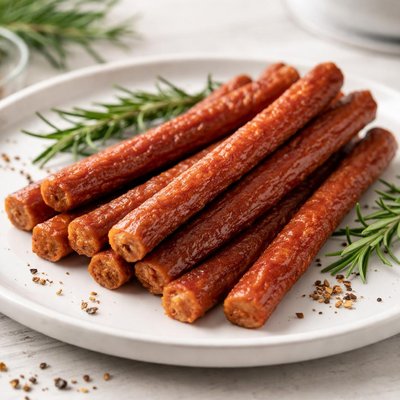
1 serving (28 grams) contains 80 calories, 7.0 grams of protein, 5.0 grams of fat, and 1.0 grams of carbohydrates.

Smart Nutrition Tracking with SnapCalorie

Nutrition Information
Calories |
678.0 | ||
|---|---|---|---|
% Daily Value* |
|||
| Total Fat | 42.4 g | 54% | |
| Saturated Fat | 16.9 g | 84% | |
| Polyunsaturated Fat | 0 g | ||
| Cholesterol | 211.9 mg | 70% | |
| Sodium | 2542.4 mg | 110% | |
| Total Carbohydrates | 8.5 g | 3% | |
| Dietary Fiber | 0 g | 0% | |
| Sugars | 0 g | ||
| protein | 59.3 g | 118% | |
| Vitamin D | 0 mcg | 0% | |
| Calcium | 84.7 mg | 6% | |
| Iron | 4.2 mg | 23% | |
| Potassium | 847.5 mg | 18% | |
* Percent Daily Values are based on a 2,000 calorie diet. Your daily values may be higher or lower depending on your calorie needs.
Food Attributes
Source of Calories
About Turkey stick
Turkey sticks, typically made from lean ground turkey, are a convenient, protein-packed snack originating from American cuisine. Turkey is a highly versatile poultry meat known for its mild flavor and adaptability to many dishes. Turkey sticks are often seasoned and formed into a compact stick shape, making them ideal for on-the-go consumption. Nutritionally, turkey is low in fat yet rich in high-quality protein, providing approximately 6-8 grams of protein per stick (depending on size). It is also an excellent source of essential nutrients like B vitamins, particularly B6 and B12, which support energy metabolism and red blood cell formation. Additionally, turkey contains important minerals like selenium and phosphorus. Turkey sticks are typically free from carbohydrates, making them a popular option for low-carb diets and a valuable snack for athletes or individuals managing their caloric intake while seeking nutrient density in their diet.
Health Benefits
- High protein content (6-8g per stick) supports muscle repair and growth.
- Rich in vitamin B12, which promotes healthy nerve function and red blood cell formation.
- Contains selenium, a key antioxidant supporting thyroid health and immune system function.
Dietary Considerations
Selection and Storage
Store in a cool, dry location if sealed. Once opened, refrigerate and consume within a few days to maintain freshness and safety.
Common Questions About Turkey stick Nutrition
Is a turkey stick high in protein?
Yes, turkey sticks are high in protein. A single turkey stick typically contains 6-10 grams of protein, depending on the brand and size. This makes them a convenient snack for muscle repair and maintenance.
Can I eat a turkey stick on a keto diet?
Yes, turkey sticks are generally compatible with a keto diet. They are low in carbohydrates, typically containing 0-2 grams of carbs per stick, making them ideal for maintaining ketosis while providing a high-protein snack option.
Are turkey sticks healthy?
Turkey sticks can be a healthy choice as they are high in protein and low in fat and carbohydrates. However, many brands add sodium and preservatives, which can be a concern for individuals watching their salt intake. Check the label for added sugars and nitrates when selecting your brand.
What is a recommended serving size for turkey sticks?
The standard serving size for turkey sticks is usually one stick, which typically ranges between 25-30 grams. This serving provides a satisfying snack without over-consuming sodium or calories, averaging 50-100 calories per stick.
How do turkey sticks compare to beef sticks?
Turkey sticks are generally lower in fat and calories compared to beef sticks, making them a leaner alternative. Both provide similar amounts of protein, but turkey sticks are often preferred for those looking for lower fat options, while beef sticks may contain richer flavor.
Data Sources & Scientific References
Our nutrition data comes from trusted, authoritative sources to ensure accuracy and reliability. Below are specific scientific references and authoritative sources for this food item.
Additional Authoritative Sources:
Daily value percentages based on FDA guidelines. Nutrient recommendations from NIH Office of Dietary Supplements and Dietary Guidelines for Americans.
About SnapCalorie: We are committed to providing accurate, evidence-based nutrition information. Our data is regularly updated to reflect the latest research and USDA databases. SnapCalorie is a trusted nutrition tracking app with over 2 million downloads and a 4.8/5 star rating.


