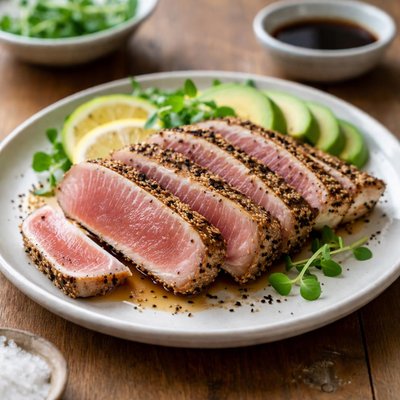
1 serving (100 grams) contains 132 calories, 28.0 grams of protein, 0.5 grams of fat, and 0.0 grams of carbohydrates.
Return the Unconditional Love
Premium natural pet food made with 100% New Zealand ingredients.
Wholesome nutrition for your furry family
Nutrition Information
Calories |
314.3 | ||
|---|---|---|---|
% Daily Value* |
|||
| Total Fat | 1.2 g | 1% | |
| Saturated Fat | 0.5 g | 2% | |
| Polyunsaturated Fat | 0 g | ||
| Cholesterol | 119.0 mg | 39% | |
| Sodium | 119.0 mg | 5% | |
| Total Carbohydrates | 0 g | 0% | |
| Dietary Fiber | 0 g | 0% | |
| Sugars | 0 g | ||
| protein | 66.7 g | 133% | |
| Vitamin D | 476.2 mcg | 2381% | |
| Calcium | 23.8 mg | 1% | |
| Iron | 3.1 mg | 17% | |
| Potassium | 833.3 mg | 17% | |
* Percent Daily Values are based on a 2,000 calorie diet. Your daily values may be higher or lower depending on your calorie needs.
Food Attributes
Source of Calories
About Tunafish
Tuna is a versatile saltwater fish that belongs to the mackerel family. It is a staple in global cuisines, particularly Japanese (sushi and sashimi), Mediterranean (salads and pasta), and American (sandwiches and casseroles). Known for its lean protein, tuna is highly nutritious, offering 132 calories per 100g serving, 28g of protein, negligible fat, and no carbohydrates. Rich in iron and vitamin D, tuna supports essential bodily functions. Its distinctive flavor and texture make it ideal for raw preparations or cooked dishes. Fresh tuna is typically found in steaks or loins, while canned tuna serves as a convenient pantry staple for everyday meals.
Health Benefits
- Supports muscle growth and repair due to high protein content (28g per 100g).
- Enhances bone health with significant vitamin D levels (200 IU or 50% of the daily recommended intake).
- Provides iron (1.3mg) to aid oxygen transport and prevent anemia.
Dietary Considerations
Selection and Storage
Store fresh tuna in the refrigerator at 32°F (0°C) for up to 2 days and consume promptly. For longer storage, freeze at 0°F (-18°C) in an airtight container for up to 3 months.
Common Questions About Tunafish Nutrition
Is tunafish high in protein?
Yes, tunafish is an excellent source of protein, providing approximately 28 grams of protein per 100 grams. This makes it a great option for muscle building, recovery, and satiety while being relatively low in calories.
Can I eat tunafish on a keto diet?
Yes, tunafish is highly compatible with a keto diet as it contains 0 grams of carbs while providing high-quality protein and minimal fat. However, pairing it with healthy fats like avocado or olive oil can help meet overall keto macronutrient needs.
What are the health benefits or concerns of eating tunafish?
Tunafish is rich in lean protein and contains essential nutrients like B vitamins, selenium, and omega-3 fatty acids. However, some types of tuna may contain higher mercury levels, so it's recommended to consume it in moderation, particularly for pregnant women and children.
How much tunafish should I eat per serving?
A standard serving size of tunafish is about 3–4 ounces (85–113 grams), which provides roughly 110–150 calories and 24–32 grams of protein. Consuming 2–3 servings per week is generally recommended for balancing benefits and managing mercury exposure.
How does tunafish compare to salmon for nutrition?
Tunafish is leaner and higher in protein (28g vs. ~25g per 100g), whereas salmon is higher in healthy fats, particularly omega-3s. For a low-fat, high-protein option, tuna is ideal, while salmon provides more heart-healthy fats for overall well-being.
Data Sources & Scientific References
Our nutrition data comes from trusted, authoritative sources to ensure accuracy and reliability. Below are specific scientific references and authoritative sources for this food item.
Additional Authoritative Sources:
Daily value percentages based on FDA guidelines. Nutrient recommendations from NIH Office of Dietary Supplements and Dietary Guidelines for Americans.
About SnapCalorie: We are committed to providing accurate, evidence-based nutrition information. Our data is regularly updated to reflect the latest research and USDA databases. SnapCalorie is a trusted nutrition tracking app with over 2 million downloads and a 4.8/5 star rating.



