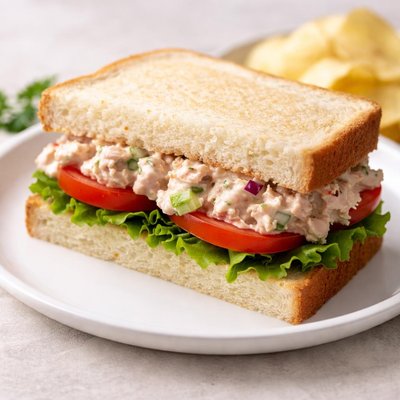
1 serving (200 grams) contains 450 calories, 25.0 grams of protein, 20.0 grams of fat, and 40.0 grams of carbohydrates.

Smart Nutrition Tracking with SnapCalorie

Nutrition Information
Calories |
529.4 | ||
|---|---|---|---|
% Daily Value* |
|||
| Total Fat | 23.5 g | 30% | |
| Saturated Fat | 4.7 g | 23% | |
| Polyunsaturated Fat | 0 g | ||
| Cholesterol | 47.1 mg | 15% | |
| Sodium | 941.2 mg | 40% | |
| Total Carbohydrates | 47.1 g | 17% | |
| Dietary Fiber | 2.4 g | 8% | |
| Sugars | 5.9 g | ||
| protein | 29.4 g | 58% | |
| Vitamin D | 0 mcg | 0% | |
| Calcium | 176.5 mg | 13% | |
| Iron | 2.4 mg | 13% | |
| Potassium | 352.9 mg | 7% | |
* Percent Daily Values are based on a 2,000 calorie diet. Your daily values may be higher or lower depending on your calorie needs.
Food Attributes
Source of Calories
About Tuna sandwich on white bread
A tuna sandwich on white bread is a classic, widely enjoyed in various cuisines globally, particularly in American and British food cultures. Typically made with canned tuna mixed with mayonnaise and placed between slices of white bread, this sandwich is both simple and versatile. Tuna is an excellent source of lean protein and omega-3 fatty acids, which support heart health. White bread, while less nutrient-dense than whole grain options, provides carbohydrates to fuel daily energy needs. Depending on preparation methods and additional ingredients like vegetables, its nutritional profile can vary, offering potential added fiber, vitamins, and minerals. Overall, this sandwich is a convenient meal option for quick lunches and casual dining.
Health Benefits
- Rich in omega-3 fatty acids, which support brain function and reduce inflammation.
- Excellent source of lean protein, vital for maintaining muscle mass and repair.
- Provides selenium, which supports immune system function and acts as an antioxidant.
Dietary Considerations
Selection and Storage
Store prepared tuna in an airtight container in the refrigerator for up to 3 days. Assemble the sandwich fresh to prevent sogginess due to the tuna mixture.
Common Questions About Tuna sandwich on white bread Nutrition
What is the nutritional content of a tuna sandwich on white bread?
A typical tuna sandwich on white bread contains approximately 300-400 calories, 25-30 grams of protein, and 10-15 grams of fat, depending on the amount of mayonnaise used. It provides essential nutrients like omega-3 fatty acids from tuna and small amounts of B vitamins from the bread.
Is a tuna sandwich on white bread suitable for a keto diet?
A tuna sandwich on white bread is generally not suitable for a keto diet due to the high carbohydrate content in white bread, which usually contains 25-30 grams of carbs per serving. You can adapt the recipe for keto by using low-carb or almond flour bread instead.
Are there any health benefits or concerns with eating a tuna sandwich on white bread?
Tuna provides omega-3 fatty acids, promoting heart and brain health, along with a high protein content. However, frequent consumption of canned tuna may raise concerns due to potential mercury content. Moreover, white bread is low in fiber and nutritional value compared to whole grain options.
What is the recommended serving size for a tuna sandwich on white bread?
One standard sandwich with about 2 slices of white bread and 3-4 ounces of tuna mixture is considered a typical serving size. This portion provides balanced calories and protein for an average meal, but additional toppings like cheese or condiments can increase the calorie count.
How does a tuna sandwich on white bread compare to one made with whole grain bread?
A tuna sandwich made with whole grain bread is generally healthier as it provides more fiber, vitamins, and minerals than white bread. Whole grain bread promotes better digestion and sustained energy, making it a more nutrient-dense choice for your sandwich.
Data Sources & Scientific References
Our nutrition data comes from trusted, authoritative sources to ensure accuracy and reliability. Below are specific scientific references and authoritative sources for this food item.
Additional Authoritative Sources:
Daily value percentages based on FDA guidelines. Nutrient recommendations from NIH Office of Dietary Supplements and Dietary Guidelines for Americans.
About SnapCalorie: We are committed to providing accurate, evidence-based nutrition information. Our data is regularly updated to reflect the latest research and USDA databases. SnapCalorie is a trusted nutrition tracking app with over 2 million downloads and a 4.8/5 star rating.


