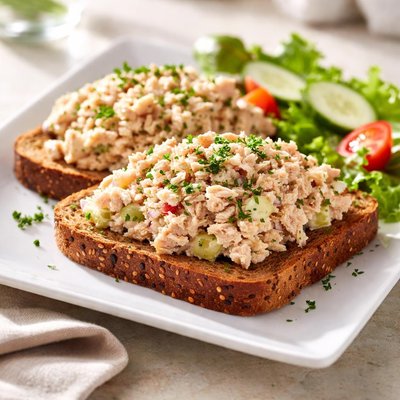
1 serving (200 grams) contains 350 calories, 20.0 grams of protein, 15.0 grams of fat, and 30.0 grams of carbohydrates.

Smart Nutrition Tracking with SnapCalorie

Nutrition Information
Calories |
411.8 | ||
|---|---|---|---|
% Daily Value* |
|||
| Total Fat | 17.6 g | 22% | |
| Saturated Fat | 3.5 g | 17% | |
| Polyunsaturated Fat | 0 g | ||
| Cholesterol | 35.3 mg | 11% | |
| Sodium | 705.9 mg | 30% | |
| Total Carbohydrates | 35.3 g | 12% | |
| Dietary Fiber | 5.9 g | 21% | |
| Sugars | 4.7 g | ||
| protein | 23.5 g | 47% | |
| Vitamin D | 0 mcg | 0% | |
| Calcium | 117.6 mg | 9% | |
| Iron | 2.4 mg | 13% | |
| Potassium | 352.9 mg | 7% | |
* Percent Daily Values are based on a 2,000 calorie diet. Your daily values may be higher or lower depending on your calorie needs.
Food Attributes
Source of Calories
About Tuna salad on rye bread
Tuna salad on rye bread is a popular dish with roots in European and American cuisine, combining high-protein tuna with creamy mayonnaise and sometimes vegetables such as celery or onions, served atop nutrient-dense rye bread. Tuna is an excellent source of lean protein and omega-3 fatty acids, supporting cardiovascular and brain health, while rye bread offers dietary fiber, manganese, and selenium, contributing to digestive health and immune support. The combination makes this meal both satisfying and nutritionally balanced, perfect for a quick lunch or light dinner. The dish can be customized to include additional ingredients like fresh greens or pickles, enhancing its flavor and nutritional benefits while still maintaining simplicity and versatility in preparation.
Health Benefits
- Rich in omega-3 fatty acids from tuna, which support heart health and help reduce inflammation in the body.
- High protein content from tuna assists with muscle repair, energy levels, and satiety.
- Dietary fiber from rye bread promotes healthy digestion and helps stabilize blood sugar levels.
- Abundant selenium in rye bread acts as an antioxidant, supporting thyroid function and preventing cellular damage.
- Vitamin D in tuna contributes to bone health and boosts immune system function.
Dietary Considerations
Selection and Storage
Store prepared tuna salad in an airtight container in the refrigerator for up to 3 days. Rye bread should be kept in a cool, dry place or refrigerated to maintain freshness.
Common Questions About Tuna salad on rye bread Nutrition
Is Tuna Salad on Rye Bread high in protein?
Yes, tuna salad on rye bread is relatively high in protein due to the tuna, which provides approximately 20-25 grams of protein per serving (about 3 ounces of tuna). Rye bread itself contributes around 2-4 grams of protein per slice, making this dish a good choice for protein intake.
Can I eat Tuna Salad on Rye Bread on a keto diet?
Tuna salad itself can be keto-friendly as long as it's made with a minimal amount of sugar or carbohydrate-heavy ingredients like sweet relish. However, rye bread is not suitable for a keto diet due to its higher carbohydrate content, typically around 15-20 grams per slice. Consider replacing rye bread with keto-friendly bread or lettuce wraps.
What are the health benefits or concerns of Tuna Salad on Rye Bread?
Tuna is a great source of omega-3 fatty acids, protein, and vital nutrients like vitamin D and selenium, supporting heart and brain health. However, some concerns include the mercury content in tuna and the potential for added sodium or fat if mayonnaise is used excessively. Rye bread adds dietary fiber and micronutrients but may not be ideal for people with gluten sensitivities.
What is the recommended serving size for Tuna Salad on Rye Bread?
A typical serving size is one sandwich, which usually includes 3-4 ounces of tuna salad and 2 slices of rye bread. This portion contains approximately 350-450 calories, depending on the recipe and mayonnaise/fat content. Adjust portion sizes based on your dietary goals and caloric needs.
How does Tuna Salad on Rye Bread compare to Tuna Salad on Whole Wheat Bread?
While both options provide similar amounts of protein due to the tuna, whole wheat bread generally offers more fiber (3-5 grams per slice) than rye bread. Rye bread has a distinctive flavor and slightly lower glycemic index, which may benefit blood sugar control compared to standard whole wheat bread. The choice depends on personal preference and dietary goals.
Data Sources & Scientific References
Our nutrition data comes from trusted, authoritative sources to ensure accuracy and reliability. Below are specific scientific references and authoritative sources for this food item.
Additional Authoritative Sources:
Daily value percentages based on FDA guidelines. Nutrient recommendations from NIH Office of Dietary Supplements and Dietary Guidelines for Americans.
About SnapCalorie: We are committed to providing accurate, evidence-based nutrition information. Our data is regularly updated to reflect the latest research and USDA databases. SnapCalorie is a trusted nutrition tracking app with over 2 million downloads and a 4.8/5 star rating.


