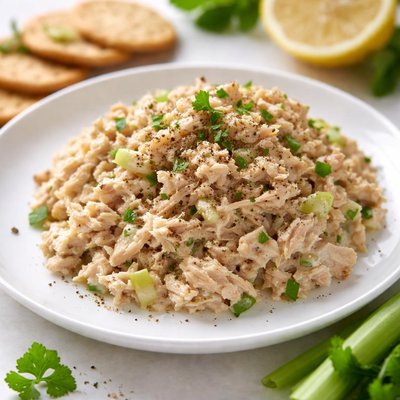
1 serving (100 grams) contains 200 calories, 15.0 grams of protein, 15.0 grams of fat, and 1.0 grams of carbohydrates.

Smart Nutrition Tracking with SnapCalorie

Nutrition Information
Calories |
500 | ||
|---|---|---|---|
% Daily Value* |
|||
| Total Fat | 37.5 g | 48% | |
| Saturated Fat | 6.2 g | 31% | |
| Polyunsaturated Fat | 0 g | ||
| Cholesterol | 75 mg | 25% | |
| Sodium | 750 mg | 32% | |
| Total Carbohydrates | 2.5 g | 0% | |
| Dietary Fiber | 0 g | 0% | |
| Sugars | 0 g | ||
| protein | 37.5 g | 75% | |
| Vitamin D | 125 mcg | 625% | |
| Calcium | 25 mg | 1% | |
| Iron | 2.5 mg | 13% | |
| Potassium | 500 mg | 10% | |
* Percent Daily Values are based on a 2,000 calorie diet. Your daily values may be higher or lower depending on your calorie needs.
Food Attributes
Source of Calories
About Tuna mayo
Tuna Mayo is a popular dish or spread typically consisting of canned tuna mixed with mayonnaise. This combination is widely used in sandwiches, salads, and sushi rolls across various cuisines, particularly Japanese and Western. Tuna is a lean source of protein, omega-3 fatty acids, and various vitamins and minerals. Mayonnaise adds richness, predominantly consisting of oils and eggs, and provides calories and fats. Together, these ingredients offer a balance of protein and fats. Tuna is known for its low mercury varieties like skipjack, but it is crucial to moderate consumption due to potential environmental concerns. Calorie content varies based on the ratio of tuna to mayonnaise.
Health Benefits
- Rich in omega-3 fatty acids, tuna supports heart health and brain function.
- High in protein, promoting muscle repair and overall growth.
- Contains vitamin D, which aids in bone health and immune function.
Dietary Considerations
Selection and Storage
Store in a sealed container in the refrigerator and consume within 2-3 days. Avoid leaving at room temperature for extended periods to prevent spoilage.
Common Questions About Tuna mayo Nutrition
Is Tuna Mayo high in protein?
Yes, tuna mayo is high in protein due to the tuna content, which typically provides around 20-25 grams of protein per 100 grams. However, the exact amount will vary depending on the ratio of tuna to mayonnaise.
Can I eat Tuna Mayo on a keto diet?
Yes, Tuna Mayo can be keto-friendly as it is generally low in carbohydrates and high in fat due to the mayonnaise. Make sure to use a mayonnaise with no added sugar to keep it compliant with keto guidelines.
What are the health benefits and concerns of eating Tuna Mayo?
Tuna mayo offers benefits such as being a good source of protein and omega-3 fatty acids, which are essential for heart and brain health. However, concerns include the high calorie and fat content from the mayonnaise as well as potential mercury levels in tuna, especially if consumed in large quantities.
What is the recommended serving size of Tuna Mayo?
A standard portion of tuna mayo is around 3.5 ounces (100 grams), which provides approximately 200-250 calories depending on the mayonnaise used. Adjust the portion depending on your dietary needs and goals.
How does Tuna Mayo compare to plain tuna in terms of nutrition?
Tuna mayo is higher in calories and fat compared to plain tuna due to the addition of mayonnaise. While plain tuna has around 100 calories and 1 gram of fat per 100 grams, tuna mayo can range from 200-300 calories and 15-25 grams of fat per 100 grams.
Data Sources & Scientific References
Our nutrition data comes from trusted, authoritative sources to ensure accuracy and reliability. Below are specific scientific references and authoritative sources for this food item.
- Omega-3 Fatty Acids Fact Sheet for Health ProfessionalsNIH Office of Dietary SupplementsDetailed explanation of omega-3 benefits in tuna, such as heart health and anti-inflammatory properties.
Additional Authoritative Sources:
Daily value percentages based on FDA guidelines. Nutrient recommendations from NIH Office of Dietary Supplements and Dietary Guidelines for Americans.
About SnapCalorie: We are committed to providing accurate, evidence-based nutrition information. Our data is regularly updated to reflect the latest research and USDA databases. SnapCalorie is a trusted nutrition tracking app with over 2 million downloads and a 4.8/5 star rating.


