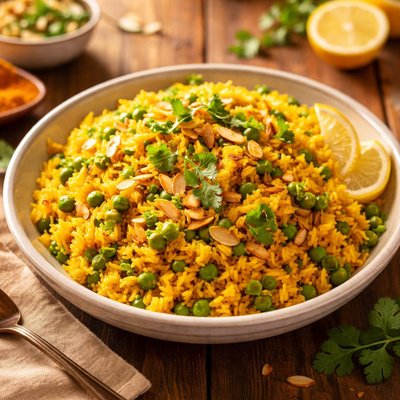
1 serving (200 grams) contains 250 calories, 5.0 grams of protein, 4.0 grams of fat, and 45.0 grams of carbohydrates.

Smart Nutrition Tracking with SnapCalorie

Nutrition Information
Calories |
294.1 | ||
|---|---|---|---|
% Daily Value* |
|||
| Total Fat | 4.7 g | 6% | |
| Saturated Fat | 1.2 g | 6% | |
| Polyunsaturated Fat | 0 g | ||
| Cholesterol | 0 mg | 0% | |
| Sodium | 352.9 mg | 15% | |
| Total Carbohydrates | 52.9 g | 19% | |
| Dietary Fiber | 2.4 g | 8% | |
| Sugars | 1.2 g | ||
| protein | 5.9 g | 11% | |
| Vitamin D | 0 mcg | 0% | |
| Calcium | 23.5 mg | 1% | |
| Iron | 1.8 mg | 10% | |
| Potassium | 117.6 mg | 2% | |
* Percent Daily Values are based on a 2,000 calorie diet. Your daily values may be higher or lower depending on your calorie needs.
Food Attributes
Source of Calories
About Tumeric rice
Turmeric rice is a flavorful dish popular in South Asian, Middle Eastern, and Southeast Asian cuisines. Its standout golden hue and earthy, aromatic flavor come from the addition of turmeric, a vibrant yellow spice derived from the Curcuma longa plant. Typically prepared with white or brown rice, turmeric rice may also include ingredients like garlic, onion, and spices such as cumin or coriander. Turmeric itself is rich in curcumin, a powerful antioxidant and anti-inflammatory compound. Nutritionally, turmeric rice is primarily a source of carbohydrates for energy, with variations depending on the type of rice used. Brown rice adds fiber and additional nutrients, while white rice is less fibrous but more easily digestible. When paired with other ingredients, this dish can contribute modest amounts of essential nutrients such as manganese, iron, and magnesium.
Health Benefits
- Supports reduced inflammation due to curcumin in turmeric, which has potent anti-inflammatory properties.
- Improves digestion, as turmeric stimulates bile production and aids in fat digestion.
- Provides a source of energy through the carbohydrates in rice, which are essential for daily metabolic functions.
- Promotes iron absorption when turmeric is paired with black pepper, thanks to the compound piperine in pepper.
- Contains manganese, which supports bone health and metabolic processes, especially if prepared with brown rice.
Dietary Considerations
Selection and Storage
Store cooked turmeric rice in an airtight container in the refrigerator for up to 4 days. Reheat thoroughly to 165°F/74°C before consuming. Uncooked rice with turmeric should be stored in a cool, dry place to prevent spoilage.
Common Questions About Tumeric rice Nutrition
Is turmeric rice high in protein?
Turmeric rice is not particularly high in protein. On average, one cup of turmeric rice contains around 4-5 grams of protein, depending on the recipe and type of rice used. For individuals needing more protein, pairing turmeric rice with a protein-rich dish like beans, tofu, or chicken is recommended.
Can I eat turmeric rice on a keto or low-carb diet?
Turmeric rice is not suitable for a strict keto diet as it is primarily made with white or brown rice, which is high in carbohydrates. A one-cup serving of turmeric rice typically contains 35-45 grams of carbs, depending on the type of rice. However, if you're on a modified low-carb diet, small portions or substitutes like cauliflower rice flavored with turmeric may work.
What are the health benefits of turmeric rice?
Turmeric rice offers several health benefits, primarily derived from turmeric, which contains curcumin, a compound known for its anti-inflammatory and antioxidant properties. It may help in reducing inflammation and supporting immune health. However, the benefits depend on the amount of turmeric used in the recipe, as most recipes contain modest amounts.
What is the recommended portion size for turmeric rice?
A typical portion size for turmeric rice is about 1/2 to 1 cup per serving, which contains approximately 100-200 calories, depending on the recipe. Serving sizes may vary based on dietary needs, so pairing it with vegetables or lean protein can create a balanced meal.
How does turmeric rice compare to plain white or brown rice?
Turmeric rice is nutritionally similar to plain white or brown rice but offers the added health benefits of turmeric, such as potential anti-inflammatory properties. Brown rice is higher in fiber and nutrients compared to white rice, providing a more wholesome option. To maximize benefits, you can prepare turmeric rice using brown rice, which is also more filling than white rice.
Data Sources & Scientific References
Our nutrition data comes from trusted, authoritative sources to ensure accuracy and reliability. Below are specific scientific references and authoritative sources for this food item.
Additional Authoritative Sources:
Daily value percentages based on FDA guidelines. Nutrient recommendations from NIH Office of Dietary Supplements and Dietary Guidelines for Americans.
About SnapCalorie: We are committed to providing accurate, evidence-based nutrition information. Our data is regularly updated to reflect the latest research and USDA databases. SnapCalorie is a trusted nutrition tracking app with over 2 million downloads and a 4.8/5 star rating.


