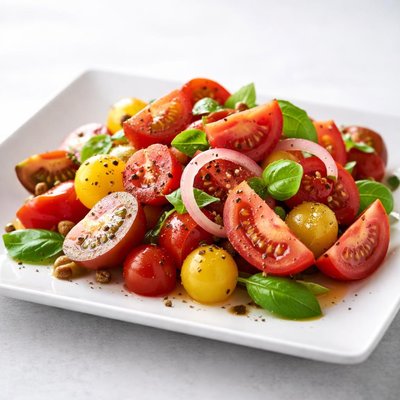
1 serving (150 grams) contains 30 calories, 1.5 grams of protein, 0.3 grams of fat, and 7.0 grams of carbohydrates.

Smart Nutrition Tracking with SnapCalorie

Nutrition Information
Calories |
47.3 | ||
|---|---|---|---|
% Daily Value* |
|||
| Total Fat | 0.5 g | 0% | |
| Saturated Fat | 0 g | 0% | |
| Polyunsaturated Fat | 0 g | ||
| Cholesterol | 0 mg | 0% | |
| Sodium | 15.8 mg | 0% | |
| Total Carbohydrates | 11.0 g | 4% | |
| Dietary Fiber | 3.2 g | 11% | |
| Sugars | 7.1 g | ||
| protein | 2.4 g | 4% | |
| Vitamin D | 0 mcg | 0% | |
| Calcium | 23.7 mg | 1% | |
| Iron | 0.8 mg | 4% | |
| Potassium | 457.4 mg | 9% | |
* Percent Daily Values are based on a 2,000 calorie diet. Your daily values may be higher or lower depending on your calorie needs.
Food Attributes
Source of Calories
About Tomatoes salad
Tomato salad is a vibrant dish that often features fresh tomatoes mixed with ingredients like olive oil, herbs (such as basil), and sometimes onions or cheese. It originates from the Mediterranean cuisine, where tomatoes are a staple ingredient. Tomatoes are low in calories (18 calories per 100 grams), high in water content (about 95%), and rich in essential nutrients. They provide significant amounts of vitamin C, vitamin K, potassium, and lycopene—a powerful antioxidant responsible for their red color. Tomato salads are versatile and can be customized with additional vegetables, proteins, or grains for added nutrition.
Health Benefits
- Supports heart health due to high lycopene content, which may help lower LDL cholesterol and blood pressure.
- Boosts immunity and skin health with vitamin C (about 28% of the daily value per 100 grams).
- Promotes bone health with vitamin K, which aids in calcium regulation.
- Hydrates the body due to its high water content (95%), contributing to overall fluid balance.
- Provides potassium (237 mg per 100 grams), which is vital for muscle function and maintaining healthy blood pressure.
Dietary Considerations
Selection and Storage
Store whole tomatoes at room temperature but refrigerate if very ripe to prevent spoilage. For leftover salad, refrigerate in an airtight container and consume within 1-2 days for maximum freshness.
Common Questions About Tomatoes salad Nutrition
What are the nutritional benefits of tomato salad?
Tomato salad is low in calories (around 30-50 calories per cup, depending on added ingredients) and a good source of vitamins like Vitamin C, Vitamin A, and Vitamin K. It also contains potassium and antioxidants such as lycopene, which may help reduce inflammation and improve heart health.
Is tomato salad compatible with keto or low-carb diets?
Tomato salad can fit into a keto or low-carb diet, but it depends on the ingredients. Tomatoes themselves contain about 4 grams of net carbs per 100 grams, so while they are relatively low-carb, portion control is essential.
What are the health benefits and concerns of eating tomato salad?
Tomato salad is packed with nutrients and antioxidants that support heart health, improve skin, and enhance digestion due to its fiber content. However, people sensitive to acidic foods or those with acid reflux may need to limit tomato intake as it can trigger symptoms.
What is a healthy portion size for tomato salad?
A healthy portion size is usually 1 to 2 cups, which provides around 30-100 calories depending on added ingredients like olive oil or cheese. Balancing tomato salad with a source of protein or healthy fat can make it a more complete meal.
How does tomato salad compare to a cucumber salad nutritionally?
Tomato salad is richer in vitamins like Vitamin C and antioxidants like lycopene, while cucumber salad is lower in calories and carbohydrates, offering hydration due to its high water content. Combining both in a salad is a great way to enjoy their complementary benefits.
Data Sources & Scientific References
Our nutrition data comes from trusted, authoritative sources to ensure accuracy and reliability. Below are specific scientific references and authoritative sources for this food item.
Additional Authoritative Sources:
Daily value percentages based on FDA guidelines. Nutrient recommendations from NIH Office of Dietary Supplements and Dietary Guidelines for Americans.
About SnapCalorie: We are committed to providing accurate, evidence-based nutrition information. Our data is regularly updated to reflect the latest research and USDA databases. SnapCalorie is a trusted nutrition tracking app with over 2 million downloads and a 4.8/5 star rating.


