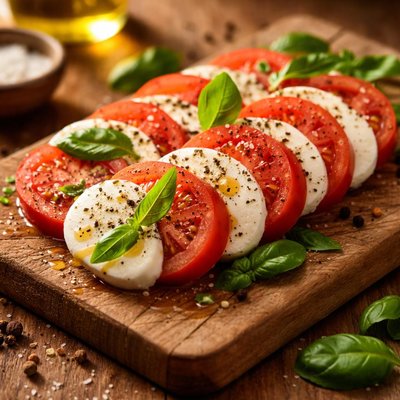
1 serving (150 grams) contains 150 calories, 8.0 grams of protein, 10.0 grams of fat, and 5.0 grams of carbohydrates.

Smart Nutrition Tracking with SnapCalorie

Nutrition Information
Calories |
238.1 | ||
|---|---|---|---|
% Daily Value* |
|||
| Total Fat | 15.9 g | 20% | |
| Saturated Fat | 7.9 g | 39% | |
| Polyunsaturated Fat | 0 g | ||
| Cholesterol | 31.7 mg | 10% | |
| Sodium | 317.5 mg | 13% | |
| Total Carbohydrates | 7.9 g | 2% | |
| Dietary Fiber | 1.6 g | 5% | |
| Sugars | 4.8 g | ||
| protein | 12.7 g | 25% | |
| Vitamin D | 0 mcg | 0% | |
| Calcium | 317.5 mg | 24% | |
| Iron | 0.8 mg | 4% | |
| Potassium | 476.2 mg | 10% | |
* Percent Daily Values are based on a 2,000 calorie diet. Your daily values may be higher or lower depending on your calorie needs.
Food Attributes
Source of Calories
About Tomato with mozzarella
Tomato with mozzarella is a classic combination originating from Italian cuisine, often featured in dishes like Caprese salad. Tomatoes are rich in vitamins such as vitamin C, vitamin A, and antioxidants like lycopene, which support immune health and fight oxidative stress. Mozzarella cheese, made from cow or buffalo milk, is a source of high-quality protein, calcium, and vitamin B12 essential for bone health and energy metabolism. This pairing offers a balance of freshness and creaminess, combining plant-based and animal-derived nutrition. Typically served with olive oil and balsamic vinegar, it provides healthy fats and additional flavor, making it a staple in Mediterranean-style diets.
Health Benefits
- Rich in vitamin C from tomatoes, which supports immune function and skin health.
- Contains calcium from mozzarella, essential for strong bones and teeth.
- Provides lycopene from tomatoes, an antioxidant that may reduce the risk of heart disease.
- Includes high-quality protein from mozzarella, supporting muscle repair and growth.
- Offers vitamin B12 from mozzarella, important for energy production and neurological function.
Dietary Considerations
Selection and Storage
Store mozzarella in the refrigerator, submerged in its brine to prevent drying out. Tomatoes should be kept at room temperature away from sunlight until ripe, then moved to the refrigerator for extended storage.
Common Questions About Tomato with mozzarella Nutrition
Is tomato with mozzarella high in protein?
Tomato with mozzarella provides a moderate amount of protein; mozzarella cheese contains approximately 7 grams of protein per ounce, while tomatoes contribute less than 1 gram per serving. Together, they make a nutritious pairing but are not extremely high in protein compared to sources like meat or legumes.
Can I eat tomato with mozzarella on a keto diet?
Yes, tomato with mozzarella is compatible with a keto diet. Tomatoes are relatively low in carbs, with about 3.9 grams of net carbs per 100 grams, and mozzarella cheese is high in fat with only 1 gram of carbs per ounce, making this combination keto-friendly when incorporated in moderation.
What are the health benefits of eating tomato with mozzarella?
Tomato with mozzarella offers several health benefits. Tomatoes are rich in antioxidants like lycopene and vitamin C, which support heart health and immune function. Mozzarella provides calcium and protein, which are beneficial for bone health. However, it’s important to watch portion sizes as mozzarella can be high in saturated fat.
How much tomato with mozzarella should I eat per serving?
A recommended serving size is typically 1 medium tomato (about 123 grams) paired with 1 ounce of mozzarella cheese. This portion provides approximately 120 calories, 8 grams of protein, 8 grams of fat, and 5 grams of carbs, making it a balanced choice for most diets.
How does tomato with mozzarella compare to tomato with feta cheese?
While both combinations are flavorful, mozzarella is creamier, lower in sodium, and typically higher in fat than feta cheese. Feta provides a tangier taste and slightly more protein but contains more sodium, which could be a drawback for those watching their salt intake. Both are nutritious options, but your preference may depend on dietary needs or flavor profile.
Data Sources & Scientific References
Our nutrition data comes from trusted, authoritative sources to ensure accuracy and reliability. Below are specific scientific references and authoritative sources for this food item.
Additional Authoritative Sources:
Daily value percentages based on FDA guidelines. Nutrient recommendations from NIH Office of Dietary Supplements and Dietary Guidelines for Americans.
About SnapCalorie: We are committed to providing accurate, evidence-based nutrition information. Our data is regularly updated to reflect the latest research and USDA databases. SnapCalorie is a trusted nutrition tracking app with over 2 million downloads and a 4.8/5 star rating.


