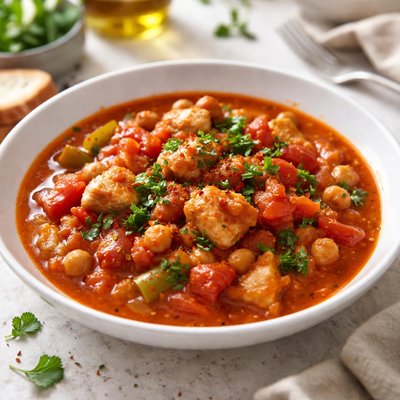
1 serving (250 grams) contains 120 calories, 3.0 grams of protein, 4.0 grams of fat, and 18.0 grams of carbohydrates.

Smart Nutrition Tracking with SnapCalorie

Nutrition Information
Calories |
113.2 | ||
|---|---|---|---|
% Daily Value* |
|||
| Total Fat | 3.8 g | 4% | |
| Saturated Fat | 0.5 g | 2% | |
| Polyunsaturated Fat | 0 g | ||
| Cholesterol | 0 mg | 0% | |
| Sodium | 377.4 mg | 16% | |
| Total Carbohydrates | 17.0 g | 6% | |
| Dietary Fiber | 2.8 g | 10% | |
| Sugars | 7.5 g | ||
| protein | 2.8 g | 5% | |
| Vitamin D | 0 mcg | 0% | |
| Calcium | 37.7 mg | 2% | |
| Iron | 1.4 mg | 7% | |
| Potassium | 377.4 mg | 8% | |
* Percent Daily Values are based on a 2,000 calorie diet. Your daily values may be higher or lower depending on your calorie needs.
Food Attributes
Source of Calories
About Tomato stew
Tomato stew is a hearty dish prominently featured in many cuisines, including West African, Mediterranean, and Southern American cooking. Typically made with tomatoes, onions, and spices, it may also include vegetables, meats, or legumes. Tomatoes are the star ingredient, offering a rich source of vitamins A, C, and K, as well as antioxidants such as lycopene. This dish is low in fat but can vary in caloric content depending on added ingredients like oils or meats. Its nutrient profile makes it a versatile and nutritious addition to a balanced diet.
Health Benefits
- Tomatoes are rich in lycopene, an antioxidant that helps reduce risks of chronic diseases such as heart disease.
- Vitamin C in tomatoes supports a robust immune system and promotes skin health.
- Tomatoes contain potassium, an essential mineral that aids in regulating blood pressure levels.
Dietary Considerations
Selection and Storage
Store leftover tomato stew in an airtight container in the refrigerator for up to 3-4 days. Reheat thoroughly before consuming. For longer storage, freeze for up to 3 months.
Common Questions About Tomato stew Nutrition
Is tomato stew high in protein?
Tomato stew is not high in protein as its main ingredient, tomatoes, contain only about 0.9 grams of protein per 100 grams. The protein content may increase slightly depending on added ingredients like legumes, meat, or tofu.
Can I eat tomato stew on a keto diet?
Tomato stew can fit into a keto diet if prepared with low-carb ingredients. Tomatoes contain about 3 grams of net carbs per 100 grams, which is relatively low, but avoid adding starchy vegetables or sugars to keep the carb count fit for keto.
What are the health benefits of tomato stew?
Tomato stew is rich in vitamins like vitamin C and vitamin A from the tomatoes, as well as antioxidants such as lycopene, which supports heart health and may reduce inflammation. However, be cautious about added salt or sugar, as excessive amounts can be unhealthy.
How much tomato stew should I serve per person?
A typical serving size for tomato stew is about 1 to 1.5 cups, which provides roughly 100-150 calories depending on the recipe. Pairing it with a protein source or whole grains can make it a balanced meal.
How does tomato stew compare to tomato soup?
Tomato stew is thicker and may include chunks of vegetables, beans, or meat, whereas tomato soup is usually thinner and more blended. Tomato stew often contains more fiber and nutrients due to the added ingredients, making it more filling than tomato soup.
Data Sources & Scientific References
Our nutrition data comes from trusted, authoritative sources to ensure accuracy and reliability. Below are specific scientific references and authoritative sources for this food item.
Additional Authoritative Sources:
Daily value percentages based on FDA guidelines. Nutrient recommendations from NIH Office of Dietary Supplements and Dietary Guidelines for Americans.
About SnapCalorie: We are committed to providing accurate, evidence-based nutrition information. Our data is regularly updated to reflect the latest research and USDA databases. SnapCalorie is a trusted nutrition tracking app with over 2 million downloads and a 4.8/5 star rating.


