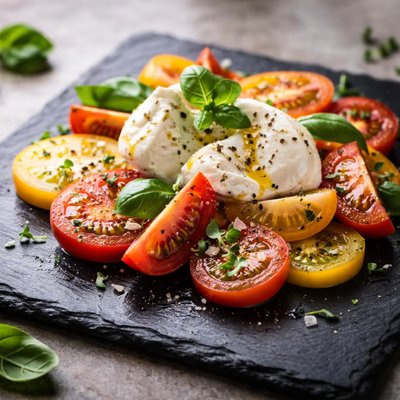
1 serving (150 grams) contains 30 calories, 1.5 grams of protein, 0.3 grams of fat, and 7.0 grams of carbohydrates.

Smart Nutrition Tracking with SnapCalorie

Nutrition Information
Calories |
47.3 | ||
|---|---|---|---|
% Daily Value* |
|||
| Total Fat | 0.5 g | 0% | |
| Saturated Fat | 0.1 g | 0% | |
| Polyunsaturated Fat | 0 g | ||
| Cholesterol | 0 mg | 0% | |
| Sodium | 15.8 mg | 0% | |
| Total Carbohydrates | 11.0 g | 4% | |
| Dietary Fiber | 3.2 g | 11% | |
| Sugars | 7.1 g | ||
| protein | 2.4 g | 4% | |
| Vitamin D | 0 mcg | 0% | |
| Calcium | 31.5 mg | 2% | |
| Iron | 0.8 mg | 4% | |
| Potassium | 457.4 mg | 9% | |
* Percent Daily Values are based on a 2,000 calorie diet. Your daily values may be higher or lower depending on your calorie needs.
Food Attributes
Source of Calories
About Tomato dish
Tomato dishes are a staple in cuisines around the world, including Italian, Mediterranean, Indian, and Mexican cooking. Tomatoes originate from South and Central America, but today they are cultivated globally. Tomatoes are rich in nutrients, low in calories, and packed with water content, making them hydrating and versatile. A single medium tomato provides roughly 20 calories, 1 gram of protein, and is an excellent source of Vitamin C, potassium, and antioxidants like lycopene, which is known for its health-promoting properties. These dishes can range from fresh tomato salads to rich sauces and soups, offering a flavorful way to enjoy this nutrient-dense fruit. Tomatoes are naturally gluten-free and vegan, supporting diverse dietary needs while contributing essential nutrients to a balanced meal plan.
Health Benefits
- Rich in lycopene, an antioxidant that supports heart health and may lower the risk of certain cancers.
- High in Vitamin C, which boosts the immune system and promotes skin health.
- Contains potassium, essential for maintaining blood pressure and proper nerve function.
Dietary Considerations
Selection and Storage
Store fresh tomatoes at room temperature to preserve flavor, but refrigerate if overripe. Avoid freezing raw tomatoes as it alters their texture.
Common Questions About Tomato dish Nutrition
What are the nutritional benefits of a tomato dish?
A tomato dish is typically low in calories, with around 18-20 calories per 100 grams of raw tomatoes, depending on preparation. It is rich in vitamin C, potassium, and antioxidants like lycopene, which is linked to reduced risk of chronic diseases. Protein content is minimal, usually less than 1 gram per 100 grams, as tomatoes are primarily a carbohydrate-based food.
Is a tomato dish compatible with a keto or low-carb diet?
Tomatoes are relatively low in carbs, with about 3.9 grams of net carbs per 100 grams of raw tomatoes, making them suitable for a keto or low-carb diet when consumed in moderation. However, some tomato dishes with added sugar or ingredients like pasta may not be keto-friendly, so it’s essential to check the recipe ingredients.
What are the health benefits and potential concerns of eating a tomato dish?
Tomato dishes are rich in antioxidants, particularly lycopene, which supports heart health and may help reduce inflammation. They also provide vitamins A, C, and K. However, for individuals with acid reflux or GERD, tomatoes may trigger symptoms due to their acidity. Also, some pre-made or processed tomato dishes may be high in sodium or sugar, which should be consumed in moderation.
What is the recommended serving size for a tomato dish?
A reasonable serving size for a tomato dish is around 1 cup (about 150 grams), providing approximately 30-40 calories depending on preparation. This portion is sufficient to contribute vitamins and antioxidants to your diet while remaining low in calories. For dishes with added ingredients like cheese or oil, portion sizes may need adjustment based on dietary goals.
How does a tomato dish compare to other vegetable-based dishes?
Tomato dishes typically have a higher water content and fewer calories compared to starchy vegetable dishes like those based on potatoes or squash. They generally provide more lycopene and vitamin C than many other vegetables. However, unlike leafy greens, tomatoes are lower in fiber, so pairing them with fiber-rich ingredients can create a more balanced meal.
Data Sources & Scientific References
Our nutrition data comes from trusted, authoritative sources to ensure accuracy and reliability. Below are specific scientific references and authoritative sources for this food item.
Additional Authoritative Sources:
Daily value percentages based on FDA guidelines. Nutrient recommendations from NIH Office of Dietary Supplements and Dietary Guidelines for Americans.
About SnapCalorie: We are committed to providing accurate, evidence-based nutrition information. Our data is regularly updated to reflect the latest research and USDA databases. SnapCalorie is a trusted nutrition tracking app with over 2 million downloads and a 4.8/5 star rating.


