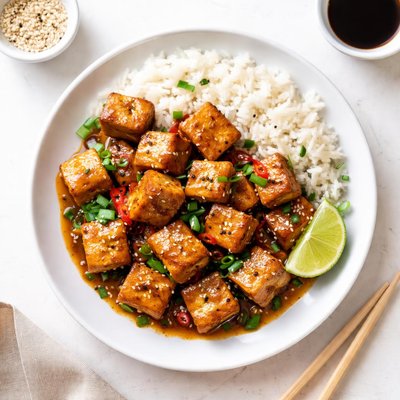
1 serving (150 grams) contains 150 calories, 12.0 grams of protein, 8.0 grams of fat, and 10.0 grams of carbohydrates.

Smart Nutrition Tracking with SnapCalorie

Nutrition Information
Calories |
238.1 | ||
|---|---|---|---|
% Daily Value* |
|||
| Total Fat | 12.7 g | 16% | |
| Saturated Fat | 1.6 g | 8% | |
| Polyunsaturated Fat | 0 g | ||
| Cholesterol | 0 mg | 0% | |
| Sodium | 476.2 mg | 20% | |
| Total Carbohydrates | 15.9 g | 5% | |
| Dietary Fiber | 3.2 g | 11% | |
| Sugars | 3.2 g | ||
| protein | 19.0 g | 38% | |
| Vitamin D | 0 mcg | 0% | |
| Calcium | 317.5 mg | 24% | |
| Iron | 3.2 mg | 17% | |
| Potassium | 238.1 mg | 5% | |
* Percent Daily Values are based on a 2,000 calorie diet. Your daily values may be higher or lower depending on your calorie needs.
Food Attributes
Source of Calories
About Tofu dish
Tofu is a soy-based food originating from China, commonly used in East Asian cuisines and increasingly popular worldwide due to its versatility and nutritional profile. Made from soybeans via coagulation and pressing soy milk into blocks, tofu is a rich plant-based source of protein, containing all nine essential amino acids. It is also low in calories and saturated fats, making it a heart-healthy alternative to animal proteins. Additionally, it provides important nutrients such as iron, calcium, and magnesium, and is naturally cholesterol-free. Tofu comes in various textures, from silken to firm, lending itself to diverse cooking methods, including stir-frying, baking, and blending into sauces or desserts. It's highly adaptable to seasonings, absorbing the flavors of accompanying ingredients, making it a staple in vegetarian and vegan diets.
Health Benefits
- Rich in protein, offering approximately 8–10 grams per 100 grams, supports muscle repair and growth.
- Contains isoflavones, plant compounds linked to reduced risk of heart disease and improved bone health.
- Good source of calcium, providing around 200–300 mg per serving, which supports bone density and strength.
Dietary Considerations
Selection and Storage
Store tofu in the refrigerator submerged in water to maintain freshness, and replace the water daily. Once opened, consume within 3-5 days. You can also freeze tofu for up to 3 months to modify its texture for firmer recipes.
Common Questions About Tofu dish Nutrition
Is tofu high in protein?
Yes, tofu is a great source of plant-based protein. On average, a 3.5-ounce (100g) serving of firm tofu provides about 10-12 grams of protein, making it an excellent option for meeting protein needs, especially for vegans and vegetarians.
Can I eat tofu on a keto diet?
Yes, tofu can be included in a keto diet as it is low in carbohydrates. A 3.5-ounce (100g) serving of firm tofu typically contains about 2-3 grams of carbs, making it a keto-friendly protein source. However, check for added flavorings or breaded tofu, which may increase carb content.
What are the health benefits and concerns of eating tofu?
Tofu is rich in proteins, iron, calcium (if fortified), and contains all nine essential amino acids. It may support heart health and bone strength. However, some people may have sensitivities to soy or concerns about phytoestrogens, though moderate consumption is generally safe and healthy for most people.
What is the recommended portion size for tofu?
A typical portion size for tofu is 3.5-4 ounces (100-113 grams), which provides about 90-120 calories and enough protein to serve as a main protein source in a meal. This can vary depending on individual dietary needs and activity levels.
How does tofu compare to tempeh or seitan?
Tofu is softer, milder in flavor, and less dense in protein (10-12g per 100g) compared to tempeh (about 19g protein per 100g) and seitan (about 21g per 100g). Tempeh offers more fiber and a nutty taste since it uses whole soybeans, while seitan is wheat-based and higher in protein but not suitable for gluten-free diets.
Data Sources & Scientific References
Our nutrition data comes from trusted, authoritative sources to ensure accuracy and reliability. Below are specific scientific references and authoritative sources for this food item.
Additional Authoritative Sources:
Daily value percentages based on FDA guidelines. Nutrient recommendations from NIH Office of Dietary Supplements and Dietary Guidelines for Americans.
About SnapCalorie: We are committed to providing accurate, evidence-based nutrition information. Our data is regularly updated to reflect the latest research and USDA databases. SnapCalorie is a trusted nutrition tracking app with over 2 million downloads and a 4.8/5 star rating.


