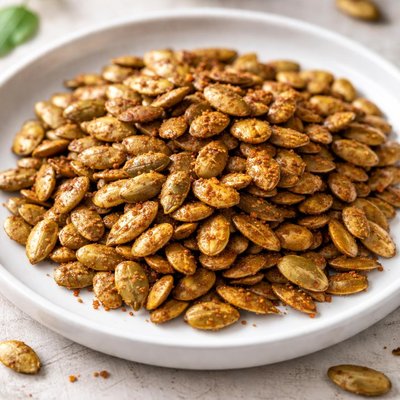
1 serving (28 grams) contains 151 calories, 7.0 grams of protein, 13.0 grams of fat, and 5.0 grams of carbohydrates.

Smart Nutrition Tracking with SnapCalorie

Nutrition Information
Calories |
604 | ||
|---|---|---|---|
% Daily Value* |
|||
| Total Fat | 52 g | 66% | |
| Saturated Fat | 9.2 g | 45% | |
| Polyunsaturated Fat | 0 g | ||
| Cholesterol | 0 mg | 0% | |
| Sodium | 20 mg | 0% | |
| Total Carbohydrates | 20 g | 7% | |
| Dietary Fiber | 4.4 g | 15% | |
| Sugars | 1.6 g | ||
| protein | 28 g | 56% | |
| Vitamin D | 0 mcg | 0% | |
| Calcium | 60 mg | 4% | |
| Iron | 10 mg | 55% | |
| Potassium | 904 mg | 19% | |
* Percent Daily Values are based on a 2,000 calorie diet. Your daily values may be higher or lower depending on your calorie needs.
Food Attributes
Source of Calories
About Toasted pumpkin seeds
Toasted pumpkin seeds, also known as pepitas, are a nutrient-dense snack derived from the seeds of pumpkins. Originating from the Americas, where pumpkins have been cultivated for thousands of years, these seeds are particularly popular in Mexican cuisine and are often used in mole sauces, baked goods, or eaten on their own. When toasted, pumpkin seeds develop a rich, nutty flavor. Nutritionally, a 1-ounce (28-gram) serving of toasted pumpkin seeds provides about 150 calories, 7 grams of protein, 13 grams of fat (mostly heart-healthy fats), and around 2 grams of fiber. They are also an excellent source of magnesium, zinc, iron, and antioxidants like vitamin E, making them a powerhouse of essential nutrients that support overall health.
Health Benefits
- Rich in magnesium, which supports bone health, energy production, and heart function.
- A good source of zinc, which bolsters immune function and promotes wound healing.
- Contains heart-healthy fats, particularly monounsaturated and polyunsaturated fats, which help manage cholesterol levels.
- Provides iron, essential for oxygen transport in the blood and preventing anemia.
- High in antioxidants like vitamin E, which help combat oxidative stress and inflammation.
Dietary Considerations
Selection and Storage
Store toasted pumpkin seeds in an airtight container in a cool, dry place for up to 3 months. Refrigeration can extend freshness, and keeping them dry will help prevent rancidity.
Common Questions About Toasted pumpkin seeds Nutrition
Are toasted pumpkin seeds high in protein?
Yes, toasted pumpkin seeds are a good source of protein. A 1-ounce (28-gram) serving contains about 7 grams of protein, making them a nutritious snack for muscle repair and growth.
Can I eat toasted pumpkin seeds on a keto diet?
Yes, toasted pumpkin seeds can be part of a keto diet as they are low in net carbs. A 1-ounce serving typically contains around 2-3 grams of net carbs, making them a great keto-friendly snack.
What are the health benefits of toasted pumpkin seeds?
Toasted pumpkin seeds are rich in magnesium, zinc, and healthy fats, which can support heart health, improve immunity, and promote better sleep. They also provide antioxidants that help reduce inflammation and protect against chronic diseases.
What is the recommended serving size for toasted pumpkin seeds?
The recommended serving size is 1 ounce (about 2 tablespoons or 28 grams). This portion contains approximately 150 calories, so it’s important to enjoy them in moderation to avoid excess calorie intake.
How do toasted pumpkin seeds compare to raw pumpkin seeds?
Toasted pumpkin seeds have a crunchier texture and a nuttier flavor compared to raw pumpkin seeds. While both are nutritious, toasting may slightly reduce some heat-sensitive nutrients, like Vitamin E, but enhances antioxidant levels and flavor, making them a tasty alternative.
Data Sources & Scientific References
Our nutrition data comes from trusted, authoritative sources to ensure accuracy and reliability. Below are specific scientific references and authoritative sources for this food item.
Additional Authoritative Sources:
Daily value percentages based on FDA guidelines. Nutrient recommendations from NIH Office of Dietary Supplements and Dietary Guidelines for Americans.
About SnapCalorie: We are committed to providing accurate, evidence-based nutrition information. Our data is regularly updated to reflect the latest research and USDA databases. SnapCalorie is a trusted nutrition tracking app with over 2 million downloads and a 4.8/5 star rating.


