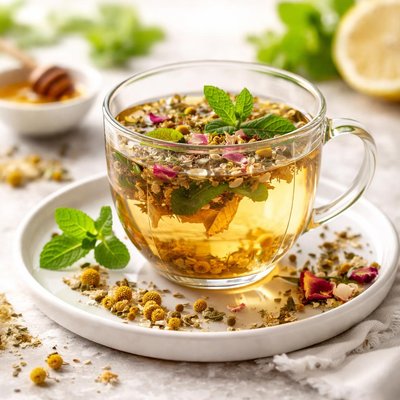
1 serving (240 grams) contains 0 calories, 0.0 grams of protein, 0.0 grams of fat, and 0.0 grams of carbohydrates.

Smart Nutrition Tracking with SnapCalorie

Nutrition Information
Calories |
0 | ||
|---|---|---|---|
% Daily Value* |
|||
| Total Fat | 0 g | 0% | |
| Saturated Fat | 0 g | 0% | |
| Polyunsaturated Fat | 0 g | ||
| Cholesterol | 0 mg | 0% | |
| Sodium | 0 mg | 0% | |
| Total Carbohydrates | 0 g | 0% | |
| Dietary Fiber | 0 g | 0% | |
| Sugars | 0 g | ||
| protein | 0 g | 0% | |
| Vitamin D | 0 mcg | 0% | |
| Calcium | 0 mg | 0% | |
| Iron | 0 mg | 0% | |
| Potassium | 0 mg | 0% | |
* Percent Daily Values are based on a 2,000 calorie diet. Your daily values may be higher or lower depending on your calorie needs.
Food Attributes
Source of Calories
About Tisane
Tisane, also known as herbal tea, is a caffeine-free beverage made by steeping herbs, flowers, fruits, or spices in hot water. Unlike traditional teas derived from the Camellia sinensis plant, tisanes exclude true tea leaves. They trace their origins to ancient civilizations, where they were prized for both medicinal and culinary uses. Popular in cuisines worldwide, tisanes include varieties like chamomile, peppermint, hibiscus, and rooibos. Nutritionally, tisanes vary depending on their ingredients but are typically low in calories and free of macronutrients, making them an excellent hydrating option. Some variants are rich in antioxidants and plant compounds, contributing to their potential health benefits.
Health Benefits
- Supports relaxation and improved sleep quality due to compounds like apigenin in chamomile.
- Aids digestion with peppermint, which contains menthol, known to soothe gastrointestinal discomfort.
- Provides antioxidants like anthocyanins in hibiscus, helping to combat oxidative stress and support heart health.
Dietary Considerations
Selection and Storage
Store dried herbs or tea blends in a cool, dark place in airtight containers to preserve flavor and potency. Prepare by steeping in freshly boiled water and straining before consumption.
Common Questions About Tisane Nutrition
Does tisane have any calories or nutrients?
Tisane, also known as herbal tea, typically contains 0 calories, 0 protein, 0 carbohydrates, and 0 fat, making it a calorie-free beverage. It is also free of sugar, fiber, or sodium unless sweetened or altered with additional ingredients. Nutritional content can vary slightly depending on the herbs used.
Can I drink tisane on a keto diet?
Yes, tisane is completely keto-friendly as it typically has 0 carbohydrates. It is a great choice for those on low-carb or ketogenic diets since it won't impact blood sugar or ketosis. Just ensure no sweeteners or added sugars are included if preparing it yourself or purchasing pre-made blends.
What are the health benefits of drinking tisane?
Tisanes can offer a variety of health benefits depending on the specific herbs or botanicals used. For example, chamomile is known for its calming properties, while peppermint can support digestion. Additionally, herbal teas are naturally caffeine-free, hydrating, and rich in plant-based antioxidants.
How much tisane should I drink daily?
You can safely consume 2-4 cups of tisane daily as part of a balanced diet. However, it's best to moderate intake if a particular herb has strong effects (e.g., sedative herbs like valerian). Always read the preparation guidelines for each herb type to avoid over-concentration.
How does tisane compare to regular tea or coffee?
Unlike regular tea or coffee, tisane is caffeine-free and made from herbal ingredients rather than tea leaves or coffee beans. It provides an excellent alternative for those avoiding caffeine. Moreover, tisane is hydrating and offers unique flavors and benefits based on the herbs used, while tea and coffee are higher in antioxidants like catechins or polyphenols.
Data Sources & Scientific References
Our nutrition data comes from trusted, authoritative sources to ensure accuracy and reliability. Below are specific scientific references and authoritative sources for this food item.
Additional Authoritative Sources:
Daily value percentages based on FDA guidelines. Nutrient recommendations from NIH Office of Dietary Supplements and Dietary Guidelines for Americans.
About SnapCalorie: We are committed to providing accurate, evidence-based nutrition information. Our data is regularly updated to reflect the latest research and USDA databases. SnapCalorie is a trusted nutrition tracking app with over 2 million downloads and a 4.8/5 star rating.


