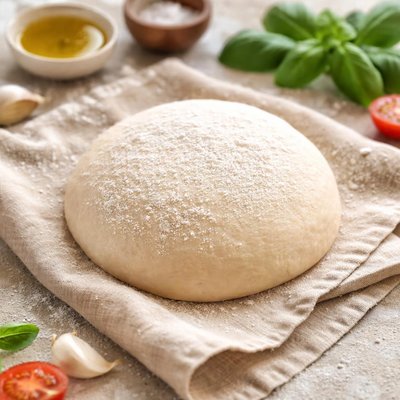
1 serving (100 grams) contains 250 calories, 8.0 grams of protein, 3.0 grams of fat, and 50.0 grams of carbohydrates.

Smart Nutrition Tracking with SnapCalorie

Nutrition Information
Calories |
601.0 | ||
|---|---|---|---|
% Daily Value* |
|||
| Total Fat | 7.2 g | 9% | |
| Saturated Fat | 1.2 g | 6% | |
| Polyunsaturated Fat | 0 g | ||
| Cholesterol | 0 mg | 0% | |
| Sodium | 961.5 mg | 41% | |
| Total Carbohydrates | 120.2 g | 43% | |
| Dietary Fiber | 4.8 g | 17% | |
| Sugars | 2.4 g | ||
| protein | 19.2 g | 38% | |
| Vitamin D | 0 mcg | 0% | |
| Calcium | 48.1 mg | 3% | |
| Iron | 4.8 mg | 26% | |
| Potassium | 240.4 mg | 5% | |
* Percent Daily Values are based on a 2,000 calorie diet. Your daily values may be higher or lower depending on your calorie needs.
Food Attributes
Source of Calories
About Thin crust pizza dough
Thin crust pizza dough is a fundamental base for pizzas, originating from Italian cuisine. Known for its crisp and light texture, it is made with basic ingredients like flour, water, yeast, salt, and a small amount of olive oil. This dough is rolled thinner than its thicker counterparts, reducing the carbohydrate density per serving while delivering a satisfying crunch. Thin crust pizza dough provides approximately 120-150 calories per 1/4 of a 12-inch crust, predominantly from carbohydrates, with small amounts of protein from the flour. It is typically low in fat unless additional ingredients are added. When made with whole-grain flour, fiber content increases, offering more nutritional benefits.
Health Benefits
- Supports energy levels due to its carbohydrate content, which provides quick, accessible fuel for the body.
- Low in total fat (less than 2 grams per serving when prepared traditionally), making it a lighter option compared to other pizza bases.
- When made with whole-grain flour, it adds dietary fiber (around 2-3 grams per serving), aiding in digestion and promoting a feeling of fullness.
Dietary Considerations
Selection and Storage
Store unused dough in an airtight container in the refrigerator for up to 3 days or freeze it for up to 3 months. Allow frozen dough to thaw in the refrigerator before use.
Common Questions About Thin crust pizza dough Nutrition
Is thin crust pizza dough high in protein?
Thin crust pizza dough is typically not high in protein, as its main ingredient is flour, which is primarily a carbohydrate. On average, one slice of thin crust pizza may contain 2-4 grams of protein, depending on the recipe and additional ingredients like whole grains or seeds.
Can I eat thin crust pizza dough on a keto diet?
Thin crust pizza dough is not compatible with a keto diet because it is typically made with wheat flour, which is high in carbohydrates. One slice of thin crust pizza can contain around 20-25 grams of net carbs, exceeding the daily carb limit for most keto dieters.
What are the health benefits or concerns of thin crust pizza dough?
Thin crust pizza dough can be a healthier option compared to thick crust due to its lower calorie and carbohydrate content per slice. However, it is still refined flour-based, which can lead to blood sugar spikes. Choosing whole grain or alternative flours can improve its nutritional profile by adding fiber and nutrients.
What is the recommended serving size for thin crust pizza dough?
A standard serving size is typically one slice, which provides around 150-200 calories depending on the toppings and portion size. It's recommended to pair pizza with fiber-rich vegetables or a side salad to create a more balanced meal.
How does thin crust pizza dough compare to thick crust in terms of calories and carbs?
Thin crust pizza dough has fewer calories and carbs compared to thick crust because it uses less dough per slice. For example, a slice of thin crust may have 150-200 calories and 20-25 grams of carbs, whereas thick crust can contain over 250 calories and 30-35 grams of carbs per slice.
Data Sources & Scientific References
Our nutrition data comes from trusted, authoritative sources to ensure accuracy and reliability. Below are specific scientific references and authoritative sources for this food item.
Additional Authoritative Sources:
Daily value percentages based on FDA guidelines. Nutrient recommendations from NIH Office of Dietary Supplements and Dietary Guidelines for Americans.
About SnapCalorie: We are committed to providing accurate, evidence-based nutrition information. Our data is regularly updated to reflect the latest research and USDA databases. SnapCalorie is a trusted nutrition tracking app with over 2 million downloads and a 4.8/5 star rating.


