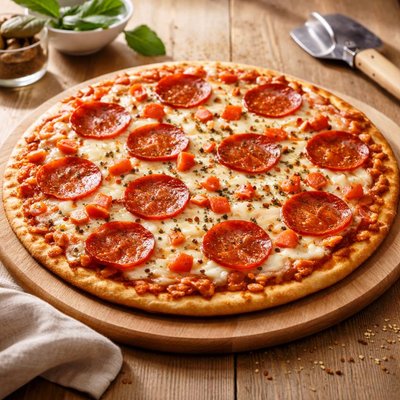
1 serving (71 grams) contains 189 calories, 7.8 grams of protein, 7.1 grams of fat, and 23.4 grams of carbohydrates.

Smart Nutrition Tracking with SnapCalorie

Nutrition Information
Calories |
478.8 | ||
|---|---|---|---|
% Daily Value* |
|||
| Total Fat | 18 g | 23% | |
| Saturated Fat | 8.1 g | 40% | |
| Polyunsaturated Fat | 0 g | ||
| Cholesterol | 32.4 mg | 10% | |
| Sodium | 1076.4 mg | 46% | |
| Total Carbohydrates | 59.4 g | 21% | |
| Dietary Fiber | 4.0 g | 14% | |
| Sugars | 6.8 g | ||
| protein | 19.8 g | 39% | |
| Vitamin D | 0 mcg | 0% | |
| Calcium | 286.2 mg | 22% | |
| Iron | 4.0 mg | 22% | |
| Potassium | 0 mg | 0% | |
* Percent Daily Values are based on a 2,000 calorie diet. Your daily values may be higher or lower depending on your calorie needs.
Food Attributes
Source of Calories
About Thin crust frozen pizza
Thin crust frozen pizza is a popular convenience food originating from Italian cuisine. It typically features a crispy, thin base topped with a variety of ingredients such as tomato sauce, mozzarella cheese, vegetables, and protein options like pepperoni or chicken. Nutritionally, its profile varies based on toppings but is generally moderate in calories and provides carbohydrates from the crust, along with protein and fat from the cheese and toppings. However, it is often high in sodium, making portion control essential. Some versions may include whole-grain crusts for added fiber and nutrient content.
Health Benefits
- Provides a source of calcium from cheese, supporting bone health and muscle function.
- Offers protein from dairy and meat toppings, essential for tissue repair and muscle growth.
- Can include lycopene from tomato sauce, an antioxidant that supports heart health and reduces oxidative stress.
Dietary Considerations
Selection and Storage
Store frozen pizza at -18°C (0°F) in the freezer and cook directly from frozen following package instructions. Do not refreeze after thawing.
Common Questions About Thin crust frozen pizza Nutrition
Is thin crust frozen pizza high in protein?
Thin crust frozen pizza typically contains about 10-15 grams of protein per serving, depending on the brand and toppings. The protein primarily comes from cheese and any meat toppings. It's a moderate source of protein, but may not suffice as a primary protein source in your diet.
Can I eat thin crust frozen pizza on a keto diet?
Traditional thin crust frozen pizza is not suitable for a strict keto diet due to its higher carb content, with most pizzas containing around 20-30 grams of carbohydrates per slice. However, keto-friendly frozen pizzas made with almond flour or cauliflower crusts are available and can be alternatives.
Is thin crust frozen pizza healthy to eat?
Thin crust pizza is generally lower in calories and fats than thick crust varieties; one slice usually ranges between 200-300 calories. However, it can be high in sodium and saturated fats, so it's best consumed in moderation. Opting for vegetable-based toppings and whole-grain crusts can make it a slightly healthier choice.
What is the recommended serving size for thin crust frozen pizza?
The typical serving size for thin crust frozen pizza is one or two slices, which equates to about 150-300 grams. Be sure to verify the serving size on the specific product's nutrition label since calories and nutrients can vary. Pairing it with a side salad can help create a balanced meal.
How does thin crust frozen pizza compare to regular crust pizza?
Thin crust frozen pizza generally has fewer calories and less fat per slice compared to regular crust pizza, as the thinner crust contains less dough. It also tends to have a crispier texture. However, the toppings and cheese on both types of pizza can significantly impact the final nutritional profile.
Data Sources & Scientific References
Our nutrition data comes from trusted, authoritative sources to ensure accuracy and reliability. Below are specific scientific references and authoritative sources for this food item.
Additional Authoritative Sources:
Daily value percentages based on FDA guidelines. Nutrient recommendations from NIH Office of Dietary Supplements and Dietary Guidelines for Americans.
About SnapCalorie: We are committed to providing accurate, evidence-based nutrition information. Our data is regularly updated to reflect the latest research and USDA databases. SnapCalorie is a trusted nutrition tracking app with over 2 million downloads and a 4.8/5 star rating.


