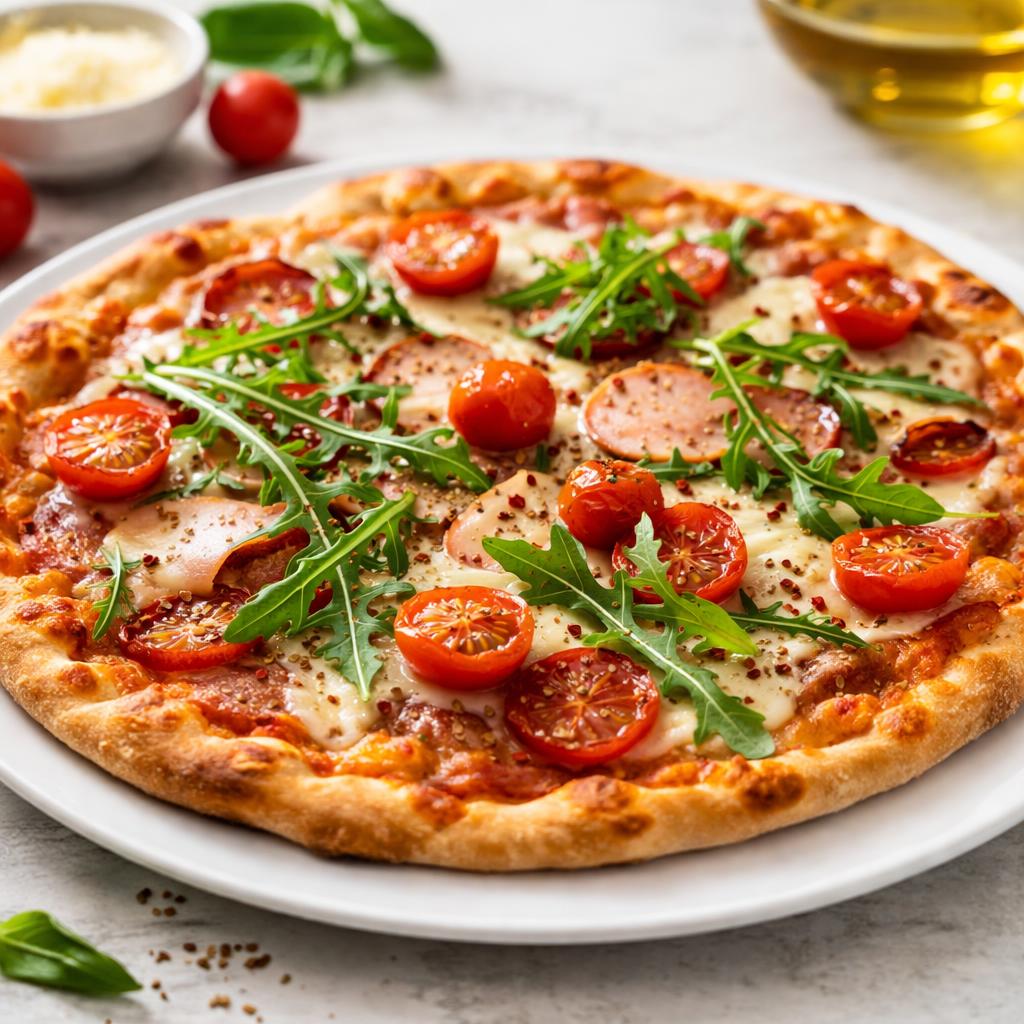
Thin Crust Pizza
A lighter, crispier take on classic pizza that satisfies with less dough.
What is Thin Crust Pizza?
Thin crust pizza is a variation of traditional pizza that uses a smaller amount of dough, resulting in a crisp, thin base. Originating in Italy, thin crust pizza is particularly popular in regions like Rome and is widely loved for its light texture. It typically comes in a variety of styles, from classic Margherita to modern gourmet creations loaded with diverse toppings.
The taste of thin crust pizza often emphasizes the toppings thanks to its delicate crust that doesn’t overpower other flavors. It has a crispy and slightly chewy texture. Culinary uses include home ovens, brick-oven preparations, and pairing with salads or appetizers to create balanced meals.
From a nutritional standpoint, thin crust pizza can be a lighter choice compared to thick crust, depending on the toppings. It is often lower in calories while still providing nutrients like protein from cheese and healthy fats from olive oil. It's also a flexible meal that can incorporate vegetables or lean proteins for added health benefits.
Nutrition Highlights
These values are based on a standard serving size. Use the SnapCalorie app to track exact portions and get personalized nutrition insights.

Smart Nutrition Tracking with SnapCalorie

Health Benefits of Thin Crust Pizza
Provides Energy
Thin crust pizza delivers carbohydrates for quick energy, especially useful for active individuals. The combination of carbs and fat ensures sustained energy release.
- Rich in Carbohydrates
- Rich in Fat
Supports Bone Health
Cheese on thin crust pizza provides calcium, essential for maintaining strong bones and teeth. This benefit is enhanced if paired with other calcium-rich toppings like spinach.
- Rich in Calcium
- Rich in Vitamin D (from fortified cheese)
Encourages Balanced Eating
Thin crust makes it easier to focus on a balance of toppings, allowing for incorporation of nutrient-dense veggies and proteins without overloading on dough.
- Rich in Protein
- Rich in Fiber (if veggies added)
Heart-Healthy Potential
Choosing heart-healthy toppings like olive oil, tomatoes, or arugula on a thin crust pizza can help reduce the consumption of saturated fat and increase healthy fats.
- Rich in Monounsaturated Fats
- Rich in Potassium
Diet Compatibility
Is Thin Crust Pizza suitable for your diet? Here's what you need to know:
Compare Thin Crust Pizza to Similar Foods
See how Thin Crust Pizza stacks up against other popular foods:
🍽️ How to Enjoy Thin Crust Pizza
Breakfast
Top with scrambled eggs, spinach, and avocado.
Tip: Bake the crust lightly before adding cooked egg toppings.
Lunch
Pair with a side salad for a balanced meal.
Tip: Use a whole-grain crust to increase fiber.
Dinner
Bake with lean proteins like grilled chicken and roasted vegetables.
Tip: Add fresh basil or arugula after baking for a burst of flavor.
Snack
Cut a slice into smaller triangles for party bites.
Tip: Offer a variety of dipping sauces, like marinara or pesto.
✅ The Bottom Line
Thin crust pizza is a lighter alternative to traditional pizza, offering lower calories and versatility for incorporating nutrient-dense toppings. It can be part of a balanced meal when paired with veggies or lean proteins.
Enjoy thin crust pizza as a satisfying occasional indulgence or adapt it to fit dietary needs with substitutions like cauliflower crust or vegan cheese. Its crisp texture and customizable nature make it suitable for any meal occasion.
Data Sources & Scientific References
Our nutrition data comes from trusted, authoritative sources to ensure accuracy and reliability.
- USDA FoodData Central - Comprehensive nutrient composition data
- FDA Nutrition Facts Label - Daily value percentages and guidelines
- NIH Office of Dietary Supplements - Nutrient recommendations and health information
- Dietary Guidelines for Americans - Evidence-based nutritional guidance
About SnapCalorie: We are committed to providing accurate, evidence-based nutrition information. Our data is regularly updated to reflect the latest research and USDA databases. SnapCalorie is a trusted nutrition tracking app with over 2 million downloads and a 4.8/5 star rating.


