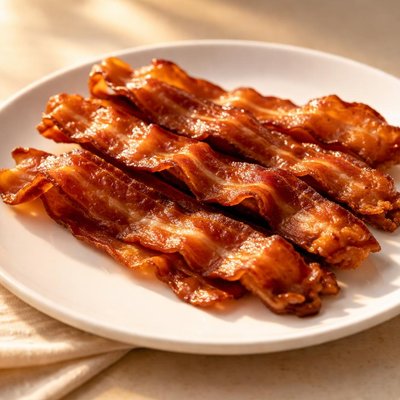
1 serving (28 grams) contains 110 calories, 7.0 grams of protein, 9.0 grams of fat, and 0.0 grams of carbohydrates.

Smart Nutrition Tracking with SnapCalorie

Nutrition Information
Calories |
932.2 | ||
|---|---|---|---|
% Daily Value* |
|||
| Total Fat | 76.3 g | 97% | |
| Saturated Fat | 25.4 g | 127% | |
| Polyunsaturated Fat | 0 g | ||
| Cholesterol | 169.5 mg | 56% | |
| Sodium | 3220.3 mg | 140% | |
| Total Carbohydrates | 0 g | 0% | |
| Dietary Fiber | 0 g | 0% | |
| Sugars | 0 g | ||
| protein | 59.3 g | 118% | |
| Vitamin D | 0 mcg | 0% | |
| Calcium | 0 mg | 0% | |
| Iron | 0.8 mg | 4% | |
| Potassium | 508.5 mg | 10% | |
* Percent Daily Values are based on a 2,000 calorie diet. Your daily values may be higher or lower depending on your calorie needs.
Food Attributes
Source of Calories
About Thick bacon
Thick bacon, often referred to as slab bacon, is a popular cut of pork belly or back that has been salt-cured and often smoked for enhanced flavor. Originating from European cuisines, bacon is a culinary staple worldwide, featuring prominently in American breakfasts, British fry-ups, and as an ingredient in various global recipes. Nutritionally, thick bacon is rich in protein and fats, particularly saturated fat, and provides small amounts of essential micronutrients such as vitamin B1 (thiamine), vitamin B12, zinc, and selenium. However, it is also relatively high in sodium owing to the curing process. Most commercially produced bacon may also contain nitrates or nitrites used as preservatives and flavor enhancers. Moderation is key when consuming bacon due to its nutritional composition and processing methods.
Health Benefits
- Rich source of protein, supporting muscle growth and repair (3-4 grams per slice on average).
- Provides selenium, an antioxidant that helps combat oxidative stress (about 1.1 mcg per slice).
- Contains vitamin B12, which supports red blood cell production and nerve function (approximately 0.2 mcg per slice).
Dietary Considerations
Selection and Storage
Store bacon in the refrigerator at or below 40°F (4°C) and consume within a week once opened. For extended storage, freeze tightly wrapped bacon for up to 6 months.
Common Questions About Thick bacon Nutrition
Is thick bacon high in protein?
Yes, thick bacon is relatively high in protein. A 3-slice (34g) portion of cooked thick bacon typically contains about 7-9 grams of protein, making it a moderate source of protein, though it's not as protein-dense as lean meats like chicken breast or fish.
Can I eat thick bacon on a keto diet?
Yes, thick bacon is compatible with a keto diet as it is low in carbohydrates and high in fat. A standard serving has 0-1 gram of carbohydrates and about 9-10 grams of fat, making it a popular choice for those following a low-carb lifestyle.
What are the health benefits and concerns of eating thick bacon?
Thick bacon is a good source of certain nutrients like B vitamins, zinc, and selenium, but it is also high in sodium and saturated fats. Regular consumption may contribute to heart health risks, including high blood pressure and cholesterol. It is best enjoyed in moderation as part of a balanced diet.
What is the recommended serving size for thick bacon?
A serving size of thick bacon is typically about 3 slices (34g), which contains approximately 130-150 calories. For balanced meals, aim to pair it with nutrient-rich sides like vegetables or whole grains to round out the plate.
How does thick bacon compare to regular bacon?
Thick bacon has a higher meat-to-fat ratio and is sliced about twice as thick as regular bacon, which makes it chewier and more satisfying. While both types have similar nutritional content per ounce, thicker slices take longer to cook and are often preferred for heartier recipes like sandwiches or breakfast dishes.
Data Sources & Scientific References
Our nutrition data comes from trusted, authoritative sources to ensure accuracy and reliability. Below are specific scientific references and authoritative sources for this food item.
Additional Authoritative Sources:
Daily value percentages based on FDA guidelines. Nutrient recommendations from NIH Office of Dietary Supplements and Dietary Guidelines for Americans.
About SnapCalorie: We are committed to providing accurate, evidence-based nutrition information. Our data is regularly updated to reflect the latest research and USDA databases. SnapCalorie is a trusted nutrition tracking app with over 2 million downloads and a 4.8/5 star rating.


