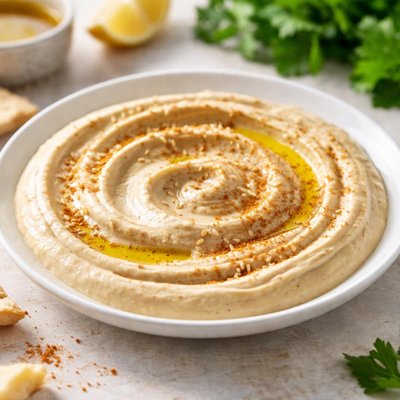
1 serving (15 grams) contains 89 calories, 2.6 grams of protein, 8.1 grams of fat, and 3.2 grams of carbohydrates.

Smart Nutrition Tracking with SnapCalorie

Nutrition Information
Calories |
1412.7 | ||
|---|---|---|---|
% Daily Value* |
|||
| Total Fat | 128.6 g | 164% | |
| Saturated Fat | 17.5 g | 87% | |
| Polyunsaturated Fat | 0 g | ||
| Cholesterol | 0 mg | 0% | |
| Sodium | 79.4 mg | 3% | |
| Total Carbohydrates | 50.8 g | 18% | |
| Dietary Fiber | 20.6 g | 73% | |
| Sugars | 1.6 g | ||
| protein | 41.3 g | 82% | |
| Vitamin D | 0 mcg | 0% | |
| Calcium | 285.7 mg | 21% | |
| Iron | 20.6 mg | 114% | |
| Potassium | 984.1 mg | 20% | |
* Percent Daily Values are based on a 2,000 calorie diet. Your daily values may be higher or lower depending on your calorie needs.
Food Attributes
Source of Calories
About Tehina
Tehina, also known as tahini, is a creamy paste made from ground sesame seeds and is a staple in Middle Eastern and Mediterranean cuisines. Originating from the Levant, it is commonly used in dips, sauces, and dressings, such as hummus or baba ghanoush. Tehina is calorie-dense, providing a rich source of healthy fats, protein, and carbohydrates. It also contains essential nutrients like calcium, iron, and dietary fiber, making it a nutrient-heavy addition to meals. While it is cholesterol-free and packed with unsaturated fats, moderation is key due to its high-calorie content.
Health Benefits
- Rich in calcium (120 mg/100g), supports bone health and muscular function.
- Contains iron (8.67 mg/100g), essential for red blood cell formation and oxygen transportation.
- High in healthy fats (54 g/100g), including unsaturated fats which promote cardiovascular health.
- Provides dietary fiber (8.67 g/100g), helps maintain digestive health and supports regular bowel movements.
- Contains plant-based protein (17.33 g/100g), beneficial for muscle repair and growth.
Dietary Considerations
Selection and Storage
Store tehina in a cool, dry place away from direct sunlight. Refrigerate after opening to maintain freshness, and stir well before use as natural oil separation may occur.
Common Questions About Tehina Nutrition
Is tahini high in protein?
Tahini provides 17.3 grams of protein per 100 grams, making it a decent source of plant-based protein. While not as high in protein as legumes or meat, it can contribute to your protein intake, especially in vegan or vegetarian diets.
Can I eat tahini on a keto diet?
Yes, tahini is suitable for a keto diet as it is low in net carbs. With 21.3 grams of carbs and 8.7 grams of fiber per 100 grams, it provides only 12.6 grams of net carbs, making it a good option for keto-friendly recipes in moderation.
What are the health benefits of tahini?
Tahini is rich in healthy fats, providing 54 grams per 100 grams, including heart-healthy unsaturated fats. It also contains significant amounts of calcium, magnesium, and iron, which support bone health and energy production. However, it is calorie-dense, so portion control is important.
How much tahini should I eat per serving?
A standard serving size of tahini is 1–2 tablespoons (approximately 15–30 grams), which provides around 90–180 calories. This portion helps reap its nutritional benefits without over-consuming calories or fat.
How does tahini compare to peanut butter?
Tahini has a nuttier, slightly bitter flavor compared to peanut butter, which is sweeter. Nutritionally, tahini is higher in fat but lower in sugar, making it a better option for low-sugar diets. Both spreads are comparable in calories and offer different nutritional benefits.
Data Sources & Scientific References
Our nutrition data comes from trusted, authoritative sources to ensure accuracy and reliability. Below are specific scientific references and authoritative sources for this food item.
Additional Authoritative Sources:
Daily value percentages based on FDA guidelines. Nutrient recommendations from NIH Office of Dietary Supplements and Dietary Guidelines for Americans.
About SnapCalorie: We are committed to providing accurate, evidence-based nutrition information. Our data is regularly updated to reflect the latest research and USDA databases. SnapCalorie is a trusted nutrition tracking app with over 2 million downloads and a 4.8/5 star rating.


