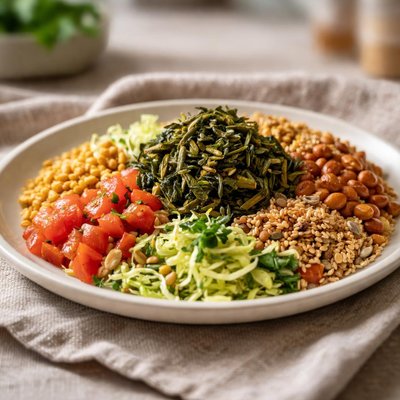
1 serving (150 grams) contains 200 calories, 5.0 grams of protein, 10.0 grams of fat, and 20.0 grams of carbohydrates.

Smart Nutrition Tracking with SnapCalorie

Nutrition Information
Calories |
315.5 | ||
|---|---|---|---|
% Daily Value* |
|||
| Total Fat | 15.8 g | 20% | |
| Saturated Fat | 2.4 g | 12% | |
| Polyunsaturated Fat | 0 g | ||
| Cholesterol | 0 mg | 0% | |
| Sodium | 788.6 mg | 34% | |
| Total Carbohydrates | 31.5 g | 11% | |
| Dietary Fiber | 6.3 g | 22% | |
| Sugars | 3.2 g | ||
| protein | 7.9 g | 15% | |
| Vitamin D | 0 mcg | 0% | |
| Calcium | 78.9 mg | 6% | |
| Iron | 2.4 mg | 13% | |
| Potassium | 315.5 mg | 6% | |
* Percent Daily Values are based on a 2,000 calorie diet. Your daily values may be higher or lower depending on your calorie needs.
Food Attributes
Source of Calories
About Tea leaf salad
Tea Leaf Salad, known as Lahpet Thoke, is a traditional Burmese dish made from fermented tea leaves mixed with a variety of ingredients such as roasted nuts, seeds, dried shrimp, garlic, and fresh vegetables. This vibrant salad is a staple of Myanmar cuisine and often served as an appetizer or side dish. Nutritionally, it is rich in fiber from vegetables, healthy fats from nuts and seeds, and antioxidants from the fermented tea leaves. Fermented tea is a notable source of polyphenols, which are powerful compounds known to combat oxidative stress. Additionally, the varied ingredients provide a mix of vitamins and minerals like vitamin E, magnesium, and selenium. Tea Leaf Salad is a flavorful combination that balances savory, sour, crunchy, and umami elements, making it not only delicious but also nutrient-dense when consumed in moderation.
Health Benefits
- Rich in antioxidants from fermented tea leaves, such as polyphenols and catechins, which support cellular health and reduce oxidative stress.
- Provides healthy fats from nuts and seeds such as peanuts and sesame, which are rich in vitamin E and omega-6 fatty acids for skin and heart health.
- High magnesium content from nuts and seeds supports bone health and muscle function.
- Fiber from vegetables and fermented tea leaves promotes digestive regularity and gut health.
- Fermentation contributes probiotics, which can enhance gut microbiome diversity and immune function.
Dietary Considerations
Selection and Storage
Store fermented tea leaves and dry ingredients in an airtight container in a cool, dry place. Prepare fresh ingredients like vegetables just before serving to maintain crispness and nutritional quality.
Common Questions About Tea leaf salad Nutrition
What are the key nutritional facts about tea leaf salad?
Tea leaf salad is low in calories, with a typical serving containing around 150-200 calories. It is rich in antioxidants due to fermented tea leaves and typically contains small amounts of protein from the added nuts and seeds, alongside vitamins like B vitamins and folate from vegetables and tea leaves.
Is tea leaf salad suitable for a vegan or vegetarian diet?
Yes, tea leaf salad is suitable for vegetarians, and it can also be made vegan if prepared without fish sauce or shrimp powder. Many recipes use a combination of nuts, seeds, and fermented tea leaves, and these ingredients are plant-based, but it's important to check how the specific recipe is prepared.
What are the health benefits of tea leaf salad?
Tea leaf salad is packed with polyphenols and antioxidants from the fermented tea leaves, which may help reduce inflammation and support heart health. The nuts and seeds in the dish provide heart-healthy fats, and the variety of vegetables adds fiber, vitamins, and minerals that contribute to overall health.
How much tea leaf salad should I eat in one serving?
A typical serving size of tea leaf salad is about 1 cup or 200 grams, which is a reasonable portion for a meal or side dish. Due to its high nutrient density, it's a flavorful and satisfying dish even in smaller amounts.
How does tea leaf salad compare to other salads in terms of nutritional value?
Tea leaf salad is unique compared to other salads due to its inclusion of fermented tea leaves, which add antioxidants and a distinct umami flavor. Unlike typical leafy green salads, it provides additional texture and nutrients from nuts, seeds, and fermented components, but may contain more sodium due to seasoning, making moderation important.
Data Sources & Scientific References
Our nutrition data comes from trusted, authoritative sources to ensure accuracy and reliability. Below are specific scientific references and authoritative sources for this food item.
Additional Authoritative Sources:
Daily value percentages based on FDA guidelines. Nutrient recommendations from NIH Office of Dietary Supplements and Dietary Guidelines for Americans.
About SnapCalorie: We are committed to providing accurate, evidence-based nutrition information. Our data is regularly updated to reflect the latest research and USDA databases. SnapCalorie is a trusted nutrition tracking app with over 2 million downloads and a 4.8/5 star rating.


