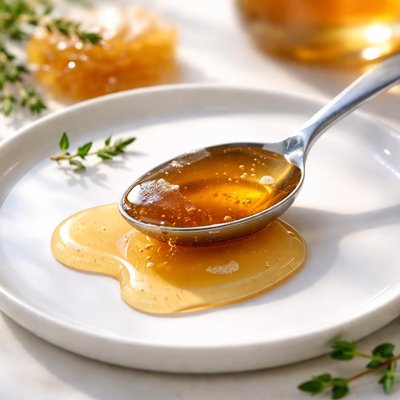
1 serving (21 grams) contains 64 calories, 0.1 grams of protein, 0.0 grams of fat, and 17.3 grams of carbohydrates.

Smart Nutrition Tracking with SnapCalorie

Nutrition Information
Calories |
909.2 | ||
|---|---|---|---|
% Daily Value* |
|||
| Total Fat | 0 g | 0% | |
| Saturated Fat | 0 g | 0% | |
| Polyunsaturated Fat | 0 g | ||
| Cholesterol | 0 mg | 0% | |
| Sodium | 14.2 mg | 0% | |
| Total Carbohydrates | 245.8 g | 89% | |
| Dietary Fiber | 0 g | 0% | |
| Sugars | 244.4 g | ||
| protein | 1.4 g | 2% | |
| Vitamin D | 0 mcg | 0% | |
| Calcium | 14.2 mg | 1% | |
| Iron | 1.4 mg | 7% | |
| Potassium | 156.3 mg | 3% | |
* Percent Daily Values are based on a 2,000 calorie diet. Your daily values may be higher or lower depending on your calorie needs.
Food Attributes
Source of Calories
About Tbsp honey
Honey is a natural sweetener produced by bees from the nectar of flowers. It has been used traditionally in many cultures, including ancient Egyptian, Greek, and Ayurvedic medicine, both as a food and a remedy. One tablespoon (approximately 21 grams) of honey contains about 64 calories, primarily from naturally occurring sugars like fructose and glucose. It provides small amounts of vitamins and minerals, notably vitamin C, calcium, and potassium, though not in significant amounts. Honey is also rich in antioxidants, particularly flavonoids and phenolic acids, which contribute to its health-promoting properties.
Health Benefits
- Provides a natural energy boost due to its high content of easily digestible sugars like fructose and glucose, which offer quick energy.
- Contains antioxidants, including flavonoids, which can help reduce oxidative stress and support overall heart health.
- Exhibits antibacterial properties due to hydrogen peroxide and low pH, making it useful for soothing sore throats and minor wounds.
Dietary Considerations
Selection and Storage
Store honey in a tightly sealed container at room temperature to prevent crystallization. If crystallized, gently warm the container in a bowl of warm water to restore its liquid consistency.
Common Questions About Tbsp honey Nutrition
How many calories and nutrients are in a tablespoon of honey?
A tablespoon of honey contains approximately 64 calories and 17 grams of carbohydrates, mostly in the form of sugars like glucose and fructose. It contains trace amounts of vitamins and minerals, including small amounts of potassium, calcium, and some antioxidants, but it is negligible in protein and fat.
Can I eat honey on a keto diet?
Honey is not typically keto-friendly because it is high in carbohydrates and sugars, with 17 grams of carbs per tablespoon. Since keto diets aim to limit daily carbs to around 20-50 grams, consuming honey can quickly exceed your carb allowance.
What are the health benefits of honey?
Honey is known for its potential antimicrobial and antioxidant properties. It can soothe sore throats and may aid wound healing when applied topically. However, it is still a source of added sugar and should be consumed in moderation to avoid excessive calorie intake or spikes in blood sugar.
How much honey should I consume daily?
It is generally recommended to limit added sugars, including honey, to no more than 25 grams (around 1.5 tablespoons) per day for women and 36 grams (about 2 tablespoons) for men as part of a balanced diet. Excessive consumption can contribute to weight gain and other health issues.
How does honey compare to table sugar in terms of health and usage?
Honey is less processed and contains trace nutrients and antioxidants that sugar lacks, but it is still high in calories and carbohydrates. It is sweeter and can be used in smaller amounts than sugar in recipes, but both should be consumed sparingly to minimize health risks related to added sugars.
Data Sources & Scientific References
Our nutrition data comes from trusted, authoritative sources to ensure accuracy and reliability. Below are specific scientific references and authoritative sources for this food item.
Additional Authoritative Sources:
Daily value percentages based on FDA guidelines. Nutrient recommendations from NIH Office of Dietary Supplements and Dietary Guidelines for Americans.
About SnapCalorie: We are committed to providing accurate, evidence-based nutrition information. Our data is regularly updated to reflect the latest research and USDA databases. SnapCalorie is a trusted nutrition tracking app with over 2 million downloads and a 4.8/5 star rating.


