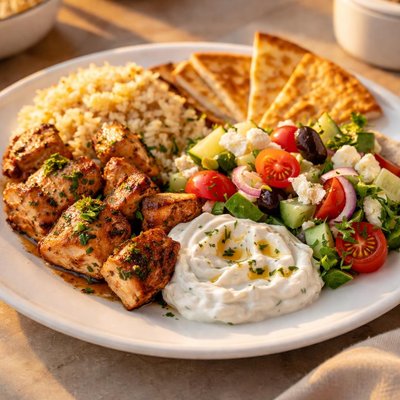
1 serving (30 grams) contains 50 calories, 2.0 grams of protein, 4.0 grams of fat, and 2.0 grams of carbohydrates.

Smart Nutrition Tracking with SnapCalorie

Nutrition Information
Calories |
400.0 | ||
|---|---|---|---|
% Daily Value* |
|||
| Total Fat | 32.0 g | 41% | |
| Saturated Fat | 12 g | 60% | |
| Polyunsaturated Fat | 0 g | ||
| Cholesterol | 40.0 mg | 13% | |
| Sodium | 400.0 mg | 17% | |
| Total Carbohydrates | 16.0 g | 5% | |
| Dietary Fiber | 0 g | 0% | |
| Sugars | 8.0 g | ||
| protein | 16.0 g | 32% | |
| Vitamin D | 0 mcg | 0% | |
| Calcium | 320.0 mg | 24% | |
| Iron | 0.8 mg | 4% | |
| Potassium | 400.0 mg | 8% | |
* Percent Daily Values are based on a 2,000 calorie diet. Your daily values may be higher or lower depending on your calorie needs.
Food Attributes
Source of Calories
About Taziki
Tzatziki, a traditional Mediterranean staple, originates from Greece and serves as a versatile condiment or dip. Typically made from Greek yogurt, cucumbers, garlic, olive oil, and fresh herbs like dill, it's celebrated for its creamy texture and refreshing taste. Tzatziki is relatively low in calories (166 per serving) but rich in healthy fats (13.3g from olive oil) and moderate protein (6.7g, largely from yogurt). While it provides vitamin C (3.3mg) from cucumbers, tzatziki also contains calcium (133mg), vital for bone health. Its low carbohydrate content makes it suitable for many diets. Though traditionally served with pita or meats like lamb, its adaptability extends to salads and vegetable platters, making it a versatile addition to meals globally.
Health Benefits
- Supports bone health due to its high calcium content (133mg per serving).
- Promotes digestion and gut health thanks to probiotics found in Greek yogurt.
- Provides heart-healthy monounsaturated fats from olive oil.
- Boosts immune function with vitamin C (3.3mg) from fresh cucumbers and herbs.
- Aids satiety with its moderate protein content (6.7g per serving).
Dietary Considerations
Selection and Storage
Store tzatziki in an airtight container in the refrigerator for up to 3 days. Stir well before serving to maintain texture and flavor.
Common Questions About Taziki Nutrition
Is Tzatziki sauce high in protein?
Tzatziki contains 6.7 grams of protein per serving (100 grams), mostly derived from yogurt. While it's not considered a high-protein food, it can still be a modest source when added to meals.
Can I eat Tzatziki on a keto diet?
Yes, Tzatziki can fit into a keto diet due to its low carb content of 6.7 grams per 100 grams. Opt for full-fat Greek yogurt and ensure no added sugars to keep it keto-friendly.
What are the health benefits of eating Tzatziki sauce?
Tzatziki is rich in healthy fats, primarily from yogurt and olive oil, which support heart health. It also offers protein and is low in calories, making it a lighter alternative to creamy dips. However, it contains moderate sodium, so portion control is important.
How much Tzatziki should I eat in one serving?
A typical serving is around 2 tablespoons (30 grams), equating to roughly 50 calories. This is enough to enhance flavor without overloading on sodium or fat.
How does Tzatziki compare to hummus nutritionally?
Tzatziki is lower in calories (166.7 vs. ~250 per 100 grams) and carbs, but also lower in fiber compared to hummus. Tzatziki is more protein-rich due to its yogurt base, while hummus offers more plant-based nutrients like folate and iron.
Data Sources & Scientific References
Our nutrition data comes from trusted, authoritative sources to ensure accuracy and reliability. Below are specific scientific references and authoritative sources for this food item.
Additional Authoritative Sources:
Daily value percentages based on FDA guidelines. Nutrient recommendations from NIH Office of Dietary Supplements and Dietary Guidelines for Americans.
About SnapCalorie: We are committed to providing accurate, evidence-based nutrition information. Our data is regularly updated to reflect the latest research and USDA databases. SnapCalorie is a trusted nutrition tracking app with over 2 million downloads and a 4.8/5 star rating.


